csrreporters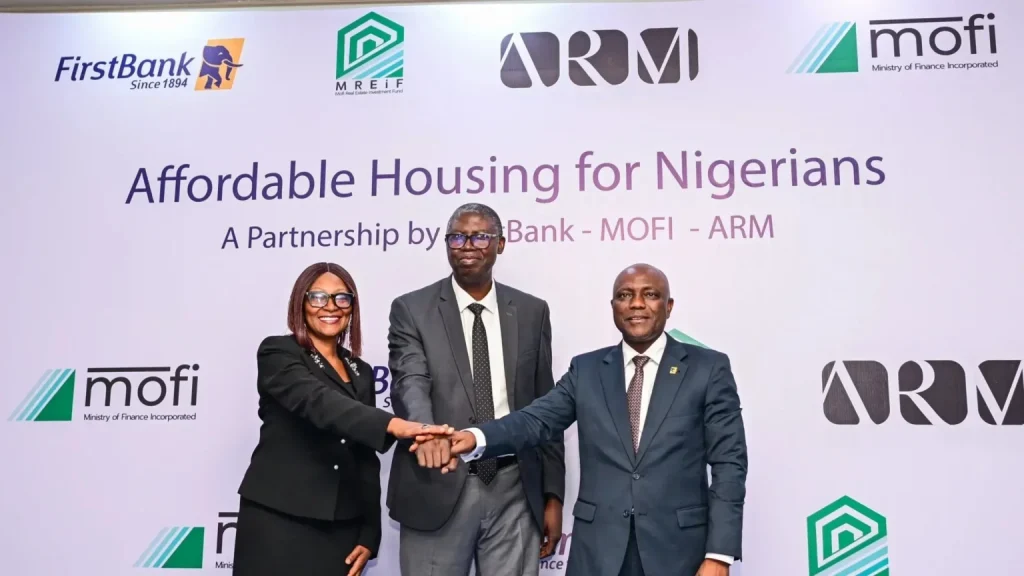
Nigeria’s housing challenge continues to deepen as population growth, urban migration, and rising construction costs widen the gap between demand and supply. For millions of citizens, especially in urban centres, homeownership remains a long-standing aspiration that is increasingly difficult to achieve.
Against this backdrop, the collaboration between FirstBank and the Federal Ministry of Housing and Urban Development to introduce a ₦100 million mortgage scheme at a single-digit interest rate of 9.75 percent represents a notable intervention in the housing finance space.
While mortgage schemes are not new, what makes this development significant is its potential to improve access to structured and more affordable financing options in a market where high interest rates have remained a major barrier to homeownership.
The initiative is positioned within a broader national effort to reduce Nigeria’s housing deficit, stimulate economic activity, and expand financial inclusion through improved access to long-term credit facilities.
Nigeria’s Persistent Housing Deficit
Nigeria continues to face a significant housing shortage, with estimates of the deficit running into millions of units. This gap is driven by several factors, including rapid urbanization, population growth, limited housing supply, and high construction and land acquisition costs.
Urban centres such as Lagos, Abuja, and Port Harcourt continue to experience intense pressure as more people migrate in search of economic opportunities. This migration increases demand for housing while infrastructure development struggles to keep pace.
As a result, many Nigerians are forced into informal settlements, overcrowded housing arrangements, or long-term rental situations that consume a large portion of household income. In many cases, homeownership becomes a distant goal rather than an achievable milestone.
The challenge is further compounded by limited access to affordable financing, which remains one of the most significant barriers to housing acquisition in the country.
The High Cost of Housing Finance
One of the most critical obstacles to homeownership in Nigeria is the cost of borrowing. Mortgage interest rates in the country have traditionally been high compared to global standards, making long-term repayment difficult for many households.
For average income earners, accessing commercial mortgage loans often means committing to financial obligations that are not sustainable over time. This has contributed to low mortgage penetration and a heavy reliance on personal savings, cooperative societies, and informal financing channels.
In such an environment, even when housing units are available, affordability remains a major constraint. This disconnect between housing supply and financial accessibility continues to slow progress in addressing the national housing deficit.
The introduction of a single-digit interest mortgage scheme is therefore significant because it directly targets one of the most persistent barriers to homeownership.
See: The New Lagos Tenancy Bill 2025: A Policy Autopsy
Understanding the ₦100m Mortgage Scheme
The mortgage scheme introduced by FirstBank in collaboration with the Federal Ministry of Housing and Urban Development is designed to provide eligible Nigerians with access to up to ₦100 million in housing finance at an interest rate of 9.75 percent.
This structure positions the initiative as part of broader efforts to make mortgage financing more accessible and less burdensome for prospective homeowners.
While the specifics of eligibility and application processes are typically guided by financial and regulatory frameworks, the overarching goal is to expand access to long-term, structured housing finance that can support home acquisition and reduce dependence on informal funding methods.
By offering relatively lower interest rates compared to traditional mortgage products, the scheme aims to improve affordability and encourage more Nigerians to consider formal pathways to homeownership.
Potential Impact on Homeownership and Families
The most immediate impact of initiatives such as this is the potential to increase access to homeownership for individuals and families who may previously have been excluded due to cost barriers.
Affordable mortgage financing allows households to spread repayment over a longer period, reducing the immediate financial pressure associated with purchasing property. This can be particularly beneficial for working professionals, young families, and middle-income earners.
Beyond ownership, stable housing contributes to improved quality of life. Families with secure homes are more likely to experience stability in education, health, and employment outcomes. Children benefit from consistent living environments, while adults gain a stronger sense of financial and social security.
Homeownership also contributes to wealth creation, as property often serves as a long-term asset that can appreciate in value over time.
Economic Benefits and Job Creation
Beyond individual beneficiaries, affordable housing finance has broader implications for the economy. The housing sector is widely recognized as a key driver of economic activity due to its strong linkages with multiple industries.
Construction alone supports a wide value chain that includes cement production, steel manufacturing, logistics, architecture, engineering, and skilled labour. When housing projects increase, demand for these services rises, creating employment opportunities across different levels of the economy.
Small and medium-sized enterprises also benefit from increased housing activity, particularly those involved in building materials supply, transportation, and finishing services.
In addition, mortgage schemes can stimulate investment in real estate development, encouraging private sector participation in housing delivery and infrastructure expansion.
Strengthening Financial Inclusion
The introduction of structured mortgage financing also has implications for financial inclusion in Nigeria.
A significant portion of the population remains outside the formal credit system, limiting their ability to access financial products that could improve their economic well-being. Mortgage schemes provide a pathway for individuals to engage with formal financial institutions and build credit histories over time.
Access to structured loans also encourages better financial planning and discipline, as borrowers commit to long-term repayment structures.
In the long term, increased participation in formal financial systems contributes to economic stability and expands opportunities for individuals to access other financial services such as savings, insurance, and investment products.
Alignment with Sustainable Development Goals
The mortgage initiative also aligns with global development priorities, particularly Sustainable Development Goal 11, which focuses on making cities and human settlements inclusive, safe, resilient, and sustainable.
Affordable housing is a central component of this goal, as it directly affects urban development, living conditions, and social equity.
As Nigeria continues to urbanize, the need for sustainable housing solutions becomes increasingly urgent. Initiatives that improve access to affordable housing finance contribute to reducing informal settlements, improving urban planning, and enhancing overall quality of life in cities.
By expanding access to structured housing finance, the initiative supports broader efforts to build more inclusive and sustainable communities.
Challenges That Could Influence Impact
While the scheme presents clear opportunities, its long-term impact will depend on several factors.
Affordability remains relative, and even single-digit interest rates may still be challenging for some income groups depending on repayment structures and income levels. Ensuring that the scheme is accessible to its intended beneficiaries will be critical.
Awareness is another important factor. Many potential beneficiaries may not be fully informed about the availability, requirements, or processes involved in accessing the mortgage scheme.
Additionally, the broader housing ecosystem, including land registration processes, construction costs, and regulatory bottlenecks, can influence how effectively such initiatives translate into actual homeownership outcomes.
Without addressing these structural challenges, the full potential of affordable mortgage schemes may not be fully realized.
Conclusion: A Step Forward in Housing Inclusion
The collaboration between FirstBank and the Federal Ministry of Housing and Urban Development represents a meaningful step toward addressing Nigeria’s housing challenges.
By introducing a ₦100 million mortgage scheme at a single-digit interest rate, the initiative contributes to ongoing efforts to make homeownership more accessible and financially sustainable for Nigerians.
However, its broader significance extends beyond financing. It reflects a growing recognition that housing is not only an economic asset but also a social necessity that influences quality of life, community development, and national progress.
As Nigeria continues to grapple with its housing deficit, initiatives like this highlight the importance of collaboration between the public and private sectors in creating solutions that are both scalable and inclusive.
Ultimately, expanding access to affordable housing finance is not just about enabling property ownership—it is about building stability, dignity, and opportunity for millions of Nigerians.
[give_form id="20698"]