ONYINYECHI NWAIGBA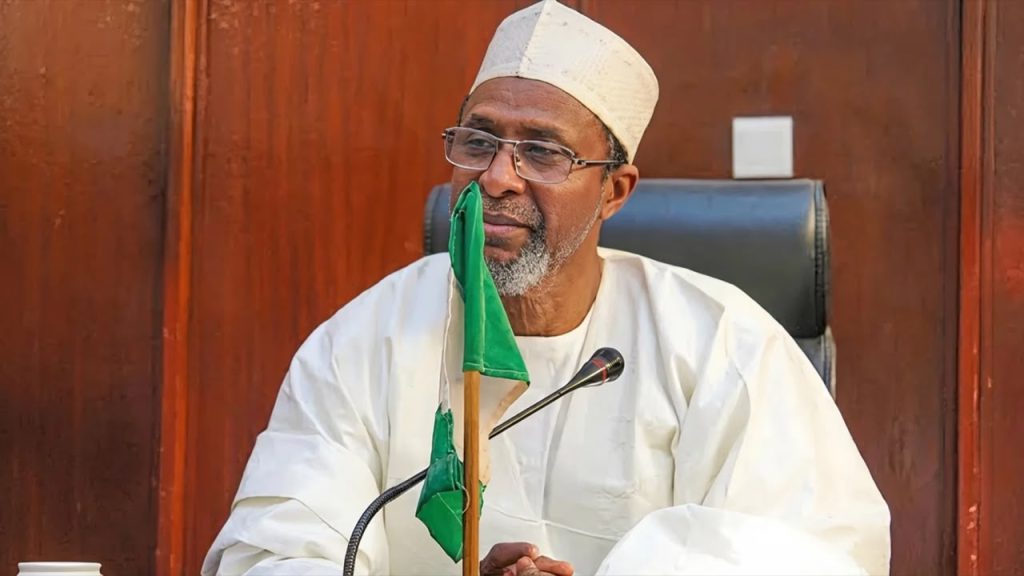
The Federal Government has reaffirmed its commitment to environmental protection, climate action and sustainable development, renewing its pledge to tackle some of Nigeria’s most pressing environmental challenges through stronger policies, collaboration and sustainable resource management.
The commitment was reiterated by the Minister of Environment, Balarabe Abbas Lawal, during the 2026 Top Management Retreat of the Federal Ministry of Environment and the National Tree Planting Campaign held in Maiduguri, Borno State.
At a time when climate change continues to reshape livelihoods, strain public infrastructure and threaten economic development, the government’s renewed commitment sends an important signal about Nigeria’s environmental priorities. However, stakeholders say the true measure of success will not be the promises made but the actions that follow.
A Reanewed Focus on Environmental Sustainability
According to the Minister, the Federal Government remains committed to restoring degraded landscapes, conserving biodiversity, strengthening climate resilience and promoting sustainable development across the country.
He also highlighted ongoing efforts to combat environmental degradation through improved policy implementation and enforcement. Among these measures is the continued enforcement of the Executive Order restricting the export of wood and allied products, a policy introduced to curb illegal logging, reduce deforestation and encourage sustainable forest management.
Nigeria’s forests play a critical role in protecting biodiversity, regulating the climate and supporting millions of livelihoods. Yet the country continues to lose significant forest cover due to illegal logging, agricultural expansion, urbanisation and unsustainable land-use practices.
Reducing deforestation is therefore not only an environmental priority but also an economic and social one.
Why This Matters
Climate change is no longer a future concern for Nigeria. It is already affecting communities, businesses and governments across the country.
Communities continue to experience severe flooding that destroys homes, schools, farms and critical infrastructure. In northern Nigeria, desertification and land degradation are reducing agricultural productivity, increasing pressure on natural resources and affecting food security.
Meanwhile, rising temperatures, unpredictable rainfall patterns and biodiversity loss continue to impact agriculture, water resources, public health and rural livelihoods.
These environmental challenges carry significant economic consequences. Farmers lose crops to extreme weather events. Businesses face supply chain disruptions. Governments spend billions responding to disasters that could have been mitigated through stronger climate adaptation measures.
This is why environmental sustainability is increasingly being recognised not simply as an ecological issue but as an economic and development priority.
Climate Action Requires More Than Policy Statements
The Federal Government’s renewed commitment comes as Nigeria continues implementing its climate obligations under the Paris Agreement and its Nationally Determined Contributions (NDCs), which outline the country’s targets for reducing greenhouse gas emissions and building climate resilience.
While policy commitments are important, environmental experts have consistently argued that implementation remains Nigeria’s greatest challenge.
Over the years, several climate policies, environmental regulations and sustainability frameworks have been introduced. However, inadequate funding, weak institutional coordination, inconsistent enforcement and limited monitoring have often slowed implementation.
For climate action to produce measurable results, commitments must translate into practical programmes that improve lives, protect ecosystems and strengthen resilience.
This includes investing in climate-smart agriculture, expanding renewable energy, improving waste management systems, restoring degraded forests and supporting communities most vulnerable to climate-related risks.
The Role of Businesses and the Private Sector
Government alone cannot achieve Nigeria’s sustainability ambitions.
Businesses have an increasingly important role to play in reducing emissions, adopting sustainable production practices and integrating Environmental, Social and Governance (ESG) principles into their operations.
Across Nigeria, more companies are investing in renewable energy, circular economy initiatives, responsible sourcing and community-based environmental programmes.
Financial institutions are also paying closer attention to climate risks, while investors increasingly consider ESG performance when making investment decisions.
The Federal Government’s renewed commitment provides an opportunity to strengthen partnerships between government, businesses, development organisations and civil society.
Such collaboration will be critical in mobilising the financing, innovation and technical expertise required to deliver lasting environmental solutions.
Tree Planting Is Only One Part of the Solution
The National Tree Planting Campaign remains one of Nigeria’s most visible environmental initiatives.
Trees play a vital role in absorbing carbon dioxide, preventing soil erosion, protecting watersheds and supporting biodiversity. They also contribute to healthier communities and more resilient ecosystems.
However, experts note that successful reforestation requires more than planting seedlings during annual campaigns.
Long-term success depends on protecting planted trees, engaging local communities, preventing illegal logging and ensuring that restoration programmes are properly monitored.
Without sustained management, tree-planting initiatives risk becoming symbolic exercises rather than meaningful environmental interventions.
See: Going Beyond Tree Planting for Real Climate Resilience in Nigeria
Linking Climate Action to Sustainable Development
Environmental sustainability is closely connected to broader development goals.
Cleaner air improves public health. Healthy forests support agriculture and biodiversity. Sustainable water management strengthens food security. Renewable energy creates economic opportunities while reducing emissions.
Climate action therefore contributes directly to poverty reduction, economic resilience and improved quality of life.
For Nigeria to achieve the Sustainable Development Goals (SDGs), environmental considerations must remain central to national planning, infrastructure development and economic policy.
This requires stronger integration of sustainability into public institutions, private sector strategies and community development programmes.
The Need for Accountability
As climate-related risks continue to grow, Nigerians will increasingly expect measurable progress rather than policy announcements.
Citizens, civil society organisations, businesses and development partners all have a role in holding institutions accountable for environmental commitments.
Transparent reporting, regular progress updates, independent monitoring and public participation will be essential in ensuring that climate policies deliver tangible outcomes.
Good environmental governance depends not only on ambitious targets but also on consistent implementation and accountability.
Looking Ahead
The Federal Government’s renewed commitment to climate action and sustainable development reinforces the importance of protecting Nigeria’s environment while building a more resilient economy.
Yet the journey ahead will require sustained political will, adequate financing, stronger institutions and deeper collaboration across sectors.
Climate change is one of the defining challenges of our time, and Nigeria’s response will shape not only the country’s environmental future but also its economic competitiveness, food security and social wellbeing.
The commitment announced in Maiduguri is therefore a positive step. The next and most important step is ensuring that these commitments translate into measurable action that improves lives, protects natural resources and accelerates sustainable development.
For Nigeria, the conversation is no longer about whether climate action is necessary. It is about how quickly and effectively commitments can become lasting impact.
[give_form id="20698"]