Tanzanian Innovation Cuts Poultry Feed Costs, Boosting Farmer Incomes and Food Security
 ONYINYE NWAIGBA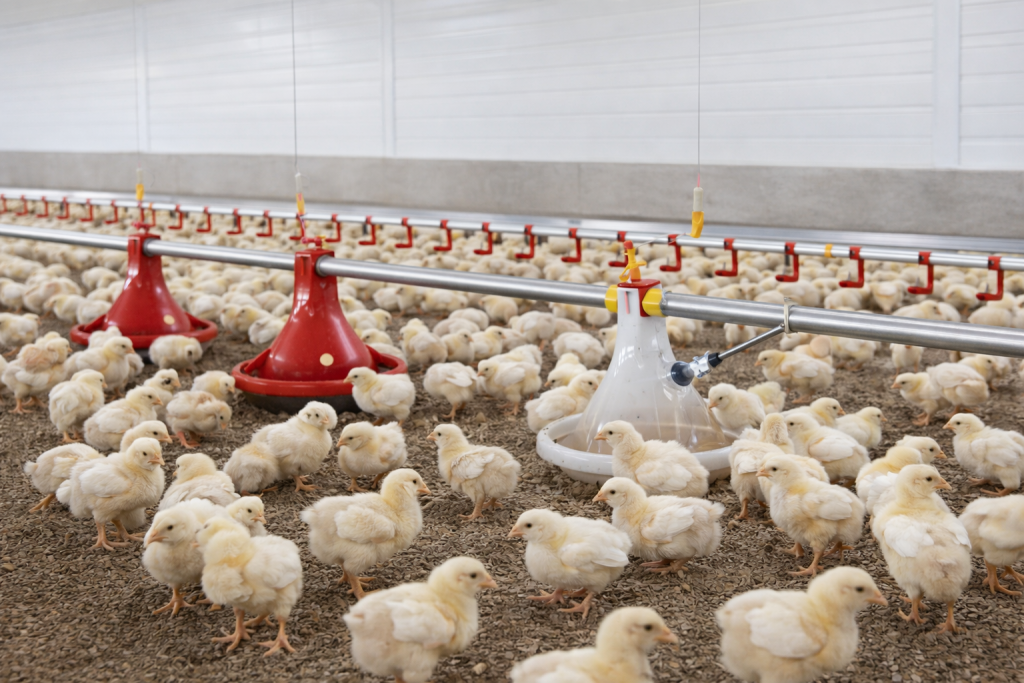
Across Africa, poultry farming remains one of the most important sources of income, nutrition, and employment for millions of households. From smallholder farmers in rural communities to commercial producers serving growing urban populations, poultry contributes significantly to food systems and local economies. Yet despite its importance, one challenge continues to limit the growth and profitability of the sector: the high cost of animal feed.
Feed accounts for the largest share of poultry production expenses, often consuming between 60 and 70 percent of total production costs. As prices of conventional feed ingredients continue to rise due to inflation, supply chain disruptions, climate-related pressures, and dependence on imported inputs, many farmers are struggling to maintain profitability.
In Tanzania, a local innovation is offering a potential solution to this challenge. Developed by agribusiness entrepreneur Dr. White Frank through Afrimix Animal Feeds, a new poultry feed formulation is helping farmers reduce production costs while maintaining healthy growth rates among their birds. The innovation is drawing attention for its potential to improve farmer incomes, strengthen food security, and promote more sustainable agricultural systems.
Addressing a Major Challenge in Poultry Farming
For poultry farmers, feed costs often determine whether a business succeeds or fails. Even small increases in feed prices can significantly reduce profit margins, especially for small-scale producers who operate with limited financial resources.
Across many African countries, poultry farmers face recurring challenges linked to the cost and availability of key feed ingredients such as maize and soybean meal. These ingredients are frequently affected by fluctuating market prices, adverse weather conditions, transportation costs, and competition from other industries.
As a result, many farmers are forced to spend a substantial portion of their earnings on feed, leaving little room for reinvestment, expansion, or savings.
Recognizing this challenge, Afrimix Animal Feeds developed a poultry feed solution designed to reduce costs without compromising productivity. By utilizing alternative ingredients and improving feed efficiency, the innovation aims to help farmers achieve better economic outcomes while maintaining healthy poultry growth.
The reported reduction in feed costs could provide significant relief for producers who have been struggling with rising operational expenses.
Improving Farmer Profitability
One of the most immediate benefits of lower feed costs is improved profitability.
When farmers spend less on production inputs while maintaining similar output levels, their earnings increase. This additional income can be used to expand operations, improve infrastructure, purchase better equipment, or invest in other livelihood activities.
For smallholder farmers, even modest increases in profitability can have a substantial impact on household welfare. Higher earnings can help families afford healthcare, education, housing improvements, and other essential needs.
In many rural communities, poultry farming serves as a critical source of income, particularly for women and youth. Reducing the financial burden associated with feed purchases can therefore contribute not only to agricultural productivity but also to broader social and economic development.
As profitability improves, farmers may also become more willing to invest in improved farming practices, disease prevention measures, and productivity-enhancing technologies, creating a cycle of continuous growth and resilience.
Strengthening Food Security
Food security remains a major concern across many parts of Africa, where rapid population growth, climate change, and economic challenges continue to place pressure on food systems.
Poultry plays a crucial role in addressing this challenge because it provides an affordable and accessible source of animal protein. Chicken meat and eggs are important components of balanced diets and contribute significantly to nutritional security.
However, when production costs rise, poultry products often become more expensive for consumers. This can reduce access to nutritious foods, particularly among low-income households.
Innovations that lower production expenses can help stabilize poultry prices and increase the availability of protein-rich foods in local markets.
By making poultry farming more affordable and profitable, cost-saving feed solutions can support increased production, helping to meet growing demand while enhancing food system resilience.
According to the Food and Agriculture Organization (FAO), building sustainable food systems is essential to improving food security, supporting rural livelihoods, and ensuring long-term agricultural resilience.
In this way, agricultural innovations can contribute directly to national and regional food security objectives.
Promoting Local Solutions to Local Challenges
One of the most notable aspects of this innovation is that it demonstrates the value of locally developed solutions.
Agricultural systems vary significantly across regions, and solutions imported from other markets do not always address the specific realities faced by African farmers. Homegrown innovations are often better positioned to respond to local conditions, available resources, and market dynamics.
By developing a feed product tailored to the needs of local poultry producers, Tanzanian innovators are showing how African entrepreneurship can generate practical solutions to pressing agricultural challenges.
This approach aligns with broader efforts to strengthen local value chains, encourage domestic innovation, and reduce dependence on imported agricultural technologies and inputs.
Supporting indigenous innovation can help build more resilient economies while creating opportunities for local businesses, researchers, and entrepreneurs.
Creating Opportunities for Youth and Agripreneurs
Agriculture continues to provide employment for millions of young people across Africa. However, attracting youth to the sector remains a challenge, particularly when farming is perceived as low-income or high-risk.
Innovations that improve profitability can help change this perception by demonstrating that agriculture can be both sustainable and financially rewarding.
The development of new agricultural technologies, products, and services also creates opportunities beyond farming itself. Agripreneurs can build businesses focused on processing, logistics, advisory services, animal health, digital agriculture, and agricultural inputs.
The success of locally developed feed solutions highlights the growing role of innovation-driven entrepreneurship in transforming African agriculture.
As more young innovators identify opportunities within agricultural value chains, they can contribute to job creation, economic diversification, and rural development.
Encouraging youth participation in agriculture is increasingly recognized as essential for ensuring the long-term sustainability of food systems across the continent.
Advancing Sustainable Agriculture
Sustainability is becoming an increasingly important consideration within agricultural development.
Farmers, governments, and development organizations are seeking ways to increase production while minimizing environmental impact and improving resource efficiency.
Innovations that improve feed utilization can contribute to these goals by reducing waste and making better use of available agricultural resources.
When feed formulations are designed to maximize nutritional value and conversion efficiency, farmers can produce more output using fewer resources. This can reduce pressure on land, water, and other inputs while supporting economic sustainability.
Furthermore, the use of locally sourced ingredients can help shorten supply chains, reduce transportation-related emissions, and strengthen domestic agricultural industries.
While no single innovation can solve all sustainability challenges, practical improvements in production efficiency can make meaningful contributions to more resilient and environmentally responsible food systems.
Similar sustainability-focused efforts are being implemented across Africa’s poultry sector. The Nigeria–China Poultry Initiative Improves Sustainability and Food Security in Nigeria highlights how innovation and strategic partnerships can help strengthen poultry production while advancing food security and environmental goals.
Building Resilient Agricultural Value Chains
The poultry sector forms part of a broader agricultural value chain that supports employment and economic activity across multiple industries.
Feed manufacturers, grain producers, transport operators, veterinarians, equipment suppliers, processors, retailers, and market vendors all benefit from a thriving poultry industry.
When poultry farmers struggle with high production costs, the effects can ripple throughout the entire value chain. Reduced profitability often leads to lower investment, slower growth, and decreased economic activity.
Conversely, innovations that improve efficiency and profitability can strengthen the entire ecosystem.
Lower feed costs can encourage expansion, increase production volumes, stimulate demand for related services, and create additional employment opportunities.
This multiplier effect underscores the importance of supporting agricultural innovation as a driver of inclusive economic growth.
The Importance of Investing in Agricultural Innovation
The emergence of solutions such as Afrimix Animal Feeds demonstrates why investment in agricultural research, innovation, and entrepreneurship remains critical.
As African countries work to address food insecurity, climate challenges, and rising population demands, innovative approaches will be essential to improving productivity and resilience.
Governments, development partners, financial institutions, and private sector actors all have a role to play in creating environments where agricultural innovators can thrive.
Access to financing, technical support, research partnerships, and market opportunities can help promising innovations scale and reach more farmers.
When innovative solutions are successfully adopted, the benefits often extend beyond individual businesses to entire communities and national economies.
A Step Toward More Resilient Food Systems
The Tanzanian poultry feed innovation represents more than a new agricultural product. It reflects the growing capacity of African entrepreneurs to develop solutions that address real-world challenges facing farmers and food systems.
By helping reduce feed costs, improve profitability, and support sustainable production, the innovation has the potential to strengthen livelihoods while contributing to broader food security goals.
As pressures on agriculture continue to increase, locally driven innovations will become increasingly important in building resilient, inclusive, and sustainable food systems.
For poultry farmers seeking practical ways to improve productivity and profitability, solutions that lower costs while maintaining performance could prove transformative. More importantly, they demonstrate how innovation can create opportunities not only for individual producers but also for communities, economies, and future generations.
[give_form id="20698"]