ONYINYECHI NWAIGBA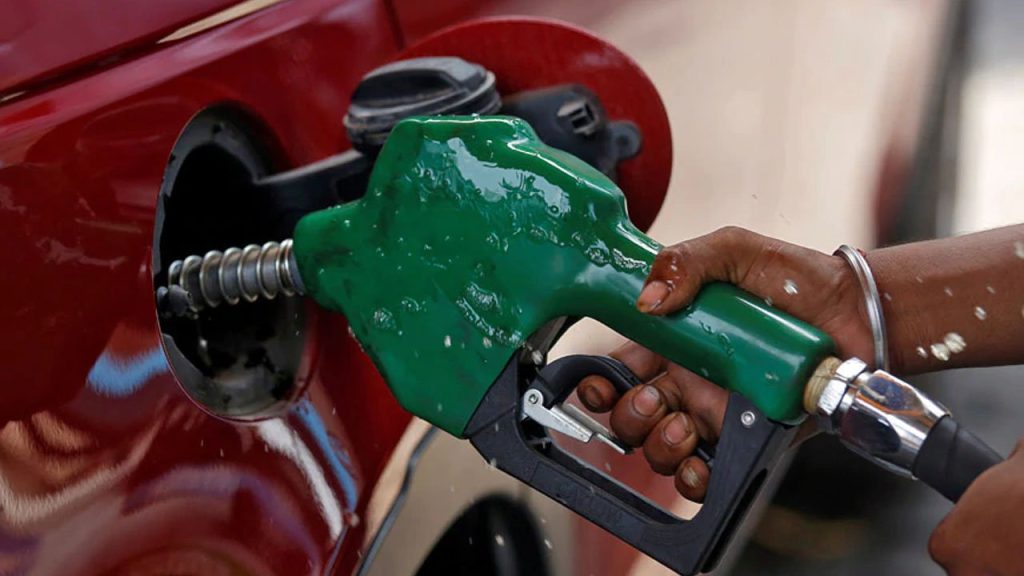
The Federal Government has directed petroleum marketers to ensure that recent declines in global crude oil prices are reflected in the retail prices of Premium Motor Spirit (PMS), commonly known as petrol, in a move aimed at easing the financial burden on consumers and promoting transparency within Nigeria’s deregulated downstream petroleum sector.
The directive comes as international oil prices continue to soften, raising expectations that Nigerians should begin to experience lower fuel costs in line with global market trends. Government officials have stressed that while the downstream sector operates under a deregulated framework, consumers deserve to benefit whenever favourable market conditions reduce the cost of fuel imports and distribution.
The development highlights the growing importance of accountability and fair pricing in Nigeria’s energy market, particularly at a time when households and businesses continue to face high living costs driven by inflation and rising operational expenses.
If implemented effectively, the move could provide some relief for consumers while reinforcing confidence in Nigeria’s ongoing petroleum sector reforms.
Why Global Oil Prices Matter
Global crude oil prices remain one of the key factors influencing the cost of petroleum products in many countries, including Nigeria.
When international oil prices rise, the cost of importing refined petroleum products generally increases, often leading to higher pump prices. Conversely, declining crude oil prices create opportunities for marketers to reduce retail prices, provided other market conditions remain favourable.
Although Nigeria now operates a deregulated downstream petroleum market, international crude prices, foreign exchange rates, shipping costs, storage expenses, and distribution costs continue to influence domestic fuel prices.
As global oil prices decline, consumers naturally expect the benefits to be reflected at filling stations across the country.
See : A Look at the Cheapest Fuel Markets in Africa.
Promoting Fair Pricing in a Deregulated Market
The government’s directive reinforces the principle that deregulation should encourage competition and fair pricing rather than create opportunities for excessive pricing.
A competitive market is expected to allow fuel prices to adjust according to prevailing market conditions, enabling consumers to benefit whenever costs decline.
Officials have therefore called on marketers to ensure that reductions in international oil prices translate into more affordable fuel for Nigerians.
The move also reflects broader efforts to improve transparency within the downstream petroleum sector while encouraging responsible business practices among market operators.
Fair pricing remains an important element of consumer protection, particularly for products that significantly influence household welfare and economic activity.
Potential Relief for Households
For millions of Nigerians, petrol remains an essential commodity that affects daily transportation, electricity generation, and household expenditure.
Any reduction in pump prices has the potential to ease pressure on family budgets, particularly as many households continue to contend with higher food prices, transportation costs, rent, healthcare expenses, and other essential living costs.
Lower fuel prices could reduce transportation expenses for commuters while helping families manage their monthly budgets more effectively.
For households that rely on petrol powered generators due to inconsistent electricity supply, more affordable fuel could also help reduce energy costs.
Supporting Businesses and Economic Activity
Fuel prices have a direct impact on businesses of every size.
Small and medium sized enterprises, manufacturers, logistics companies, transport operators, retailers, and service providers all rely on fuel to power their operations or move goods and services across the country.
Lower pump prices could reduce operating costs, improve business efficiency, and create opportunities for companies to reinvest savings into expansion, employment, or improved service delivery.
Reduced transportation and logistics costs may also help stabilise the prices of goods and services, contributing to broader economic resilience.
Strengthening Consumer Confidence
Transparency plays an important role in maintaining public confidence in deregulated markets.
Consumers are more likely to support market based pricing when they observe that prices respond fairly to both increases and decreases in global market conditions.
If global oil prices rise, consumers often bear the impact through higher pump prices.
Similarly, when international prices decline, they expect those savings to be passed on through lower retail prices.
Ensuring that price adjustments reflect actual market realities helps strengthen trust in regulatory institutions and encourages greater confidence in the country’s petroleum reforms.
Balancing Market Forces
While declining global crude oil prices create room for lower fuel prices, industry experts note that domestic pump prices are influenced by several additional factors.
Foreign exchange fluctuations, existing fuel inventories purchased at higher prices, transportation costs, port charges, insurance, and distribution expenses can all affect how quickly price reductions reach consumers.
These realities mean that adjustments may not always occur immediately or at the same pace as changes in international crude prices.
However, greater transparency around pricing decisions can help consumers better understand how pump prices are determined while promoting fairness within the market.
Why It Matters
Affordable energy remains an important driver of economic development and social wellbeing.
Fuel prices influence transportation, food distribution, manufacturing, agriculture, healthcare delivery, and numerous other sectors that shape everyday life.
When fuel becomes more affordable, businesses often experience lower operating costs while households benefit from reduced transportation and energy expenses.
The government’s call for marketers to reflect favourable global market conditions therefore goes beyond fuel pricing. It reinforces the importance of responsible market behaviour, consumer protection, and accountability within Nigeria’s energy sector.
A transparent pricing system also supports investor confidence by demonstrating that deregulation can function effectively while protecting consumer interests.
Looking Ahead
As Nigeria continues to strengthen its deregulated petroleum market, maintaining a balance between market efficiency and consumer protection will remain essential.
Government agencies, regulators, petroleum marketers, and industry stakeholders all have important roles to play in ensuring that fuel pricing remains transparent, competitive, and responsive to changing market conditions.
If global oil prices continue to decline and the benefits are passed on to consumers, households and businesses could experience meaningful relief from rising living and operating costs.
Ultimately, a pricing system that reflects genuine market realities while protecting consumer interests will contribute to stronger public confidence, improved economic resilience, and a more sustainable energy sector capable of supporting Nigeria’s long term development goals.
[give_form id="20698"]