Textile Import Ban Could Put 10 Million Jobs in Nigeria’s Fashion Industry at Risk, CPPE Warns
 ONYINYECHI NWAIGBA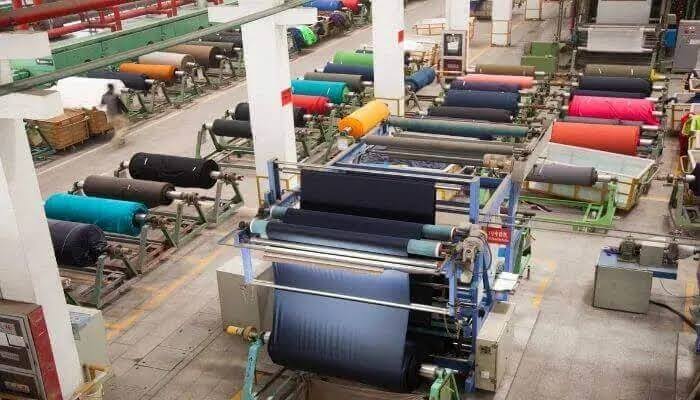
The Centre for the Promotion of Private Enterprise (CPPE) has cautioned against plans to ban textile imports into Nigeria, warning that such a move could put as many as 10 million jobs at risk across the country’s fashion and garment value chain.
According to the economic policy think tank, while the objective of reviving Nigeria’s once-thriving textile industry is commendable, imposing an outright ban on textile imports without first addressing longstanding structural challenges could have unintended consequences for businesses, workers, and consumers.
The warning comes amid renewed discussions on measures to strengthen local manufacturing, reduce import dependence, and stimulate industrial growth. However, CPPE argues that sustainable industrial development requires more than import restrictions—it demands an enabling business environment that allows local industries to compete effectively.
Balancing Industrial Growth with Economic Reality
Nigeria’s textile industry was once one of Africa’s largest employers, supporting hundreds of thousands of direct jobs and many more across cotton farming, textile production, garment manufacturing, and retail.
Cities such as Kaduna, Kano, and Lagos were home to vibrant textile factories that supplied fabrics to both local and regional markets. Over the years, however, the industry experienced a steady decline due to a combination of poor infrastructure, inconsistent government policies, high production costs, smuggling, and increased competition from imported textiles.
The renewed interest in protecting domestic manufacturers reflects the government’s desire to rebuild local industries, create jobs, and reduce pressure on foreign exchange.
Yet, according to CPPE, achieving those objectives requires policies that strengthen production capacity rather than measures that could disrupt supply chains relied upon by millions of Nigerians.
Millions Depend on Imported Fabrics
The fashion industry extends far beyond textile manufacturers.
Across Nigeria, millions of tailors, fashion designers, garment producers, fabric retailers, embroidery specialists, dry cleaners, fashion entrepreneurs, and small-scale traders depend on imported textiles for their businesses.
Many of these enterprises, particularly micro, small, and medium-sized businesses, source fabrics that are either unavailable or insufficiently produced within Nigeria.
CPPE estimates that approximately 10 million people earn their livelihoods from activities connected to the fashion ecosystem.
An abrupt ban on textile imports, the organisation argues, could significantly reduce access to essential raw materials, making it difficult for businesses to operate while increasing production costs.
For many small businesses already facing inflation, rising transportation costs, and declining consumer purchasing power, additional supply constraints could threaten their survival.
A Sector Dominated by Small Businesses
Nigeria’s fashion industry is largely powered by entrepreneurs operating small businesses.
From neighbourhood tailoring shops to emerging fashion brands selling locally and internationally, many enterprises rely on a diverse range of fabrics sourced from different countries to meet customer preferences.
Imported textiles often complement locally produced fabrics rather than replace them entirely.
Some specialised materials, premium fabrics, and certain fashion accessories are not manufactured in sufficient quantities within Nigeria.
Restricting access to these inputs without expanding domestic production could create shortages that affect businesses across the value chain.
Rather than encouraging growth, industry observers warn that businesses may face higher operating costs, reduced competitiveness, and declining sales.
Structural Challenges Remain Unresolved
CPPE maintains that the greatest obstacles facing Nigeria’s textile industry are structural rather than trade-related.
Manufacturers continue to struggle with unreliable electricity supply, forcing many factories to rely heavily on expensive diesel-powered generators.
Access to affordable financing remains limited, making it difficult for businesses to modernise equipment or expand production.
Poor transportation infrastructure increases logistics costs, while insecurity in some parts of the country affects cotton production and supply chains.
Manufacturers also contend with smuggling, which allows cheaper products to enter the market illegally and undercut locally produced goods.
Without addressing these underlying issues, CPPE argues that import restrictions alone are unlikely to restore competitiveness.
Instead, businesses may simply face higher costs while consumers experience increased prices.
Lessons from the Past
Nigeria has previously implemented import restrictions on various products in an effort to encourage domestic production.
While some sectors have recorded improvements, others have struggled because local industries lacked the capacity to immediately meet market demand.
Economists often caution that protective trade policies tend to be most effective when combined with sustained investments in infrastructure, skills development, financing, technology, and regulatory reforms.
Without these complementary measures, restrictions may create temporary shortages while encouraging smuggling and informal trade.
The textile sector presents similar complexities.
Reviving manufacturing requires long-term planning that supports the entire production chain—from cotton farming to spinning, weaving, dyeing, garment production, branding, and export development.
Protecting Jobs While Supporting Industry
CPPE believes that policymakers should pursue strategies that protect existing jobs while creating opportunities for new employment.
Rather than focusing solely on restricting imports, the organisation recommends measures that lower production costs for local manufacturers.
Improving electricity supply, expanding access to affordable credit, modernising industrial infrastructure, strengthening border controls against smuggling, and encouraging investments in textile manufacturing could deliver more sustainable results.
Such reforms would allow Nigerian manufacturers to compete based on quality, efficiency, and pricing instead of relying primarily on import restrictions.
A stronger domestic industry would also create new opportunities for cotton farmers, logistics providers, machinery suppliers, fashion designers, and exporters.
Implications for Consumers
Any major restriction on textile imports would likely affect consumers as well.
If supply becomes constrained while demand remains high, fabric prices could increase.
Higher material costs would eventually be reflected in the prices of clothing, school uniforms, ceremonial attire, upholstery, and other textile products purchased by households and businesses.
For consumers already dealing with rising living costs, additional price increases could reduce spending on locally made fashion products.
Ironically, this could affect the very businesses the policy intends to support.
Maintaining affordability while strengthening local production therefore remains a delicate balancing act for policymakers.
Building a Competitive Textile Industry
Experts argue that Nigeria possesses significant potential to rebuild its textile industry.
The country has a large domestic market, a growing fashion sector, abundant entrepreneurial talent, and opportunities to expand cotton production.
Increasing demand for African fashion across global markets also presents new opportunities for Nigerian designers and garment manufacturers.
However, realising this potential requires coordinated investments across the value chain.
Improved research, technology adoption, vocational training, industrial parks, export incentives, and partnerships between government and the private sector could accelerate the industry’s recovery.
Encouraging local patronage through quality improvements and branding may also prove more sustainable than relying solely on trade restrictions.
The Broader Economic Picture
The debate over textile imports reflects a wider challenge confronting many developing economies.
Governments seek to protect domestic industries and reduce dependence on imports, yet businesses also require access to affordable raw materials to remain competitive.
Finding the right balance between industrial protection and market efficiency is often difficult.
Policies that encourage local production while maintaining stable supply chains can help businesses grow without creating unnecessary disruptions.
For Nigeria, the success of industrial policy will likely depend on creating conditions that enable manufacturers to produce efficiently, attract investment, and compete both locally and internationally.
See: What Nigeria Bans from Its Borders And Why It Actually Matters for the Economy
Looking Ahead
The CPPE’s warning highlights the importance of carefully evaluating the potential consequences of major trade policy decisions.
Reviving Nigeria’s textile industry remains an important national objective with the potential to generate employment, strengthen manufacturing, and diversify the economy.
However, industry experts argue that rebuilding competitiveness requires more than restricting imports.
Addressing infrastructure deficits, reducing energy costs, improving access to finance, tackling smuggling, supporting cotton production, and promoting innovation will be critical to creating a resilient textile sector.
As policymakers continue to consider strategies for industrial development, the challenge will be designing reforms that simultaneously strengthen domestic manufacturing, protect millions of existing jobs, and ensure businesses have access to the resources they need to grow.
For Nigeria’s fashion industry—one of Africa’s most vibrant creative sectors—the path to sustainable growth may ultimately depend less on restricting imports and more on building an environment where local manufacturers can thrive on the strength of quality, productivity, and competitiveness.
[give_form id="20698"]