Global Cocoa Prices Rise as Climate Risks Renew Focus on Sustainable Cocoa Production in Africa
 ONYINYECHI NWAIGBA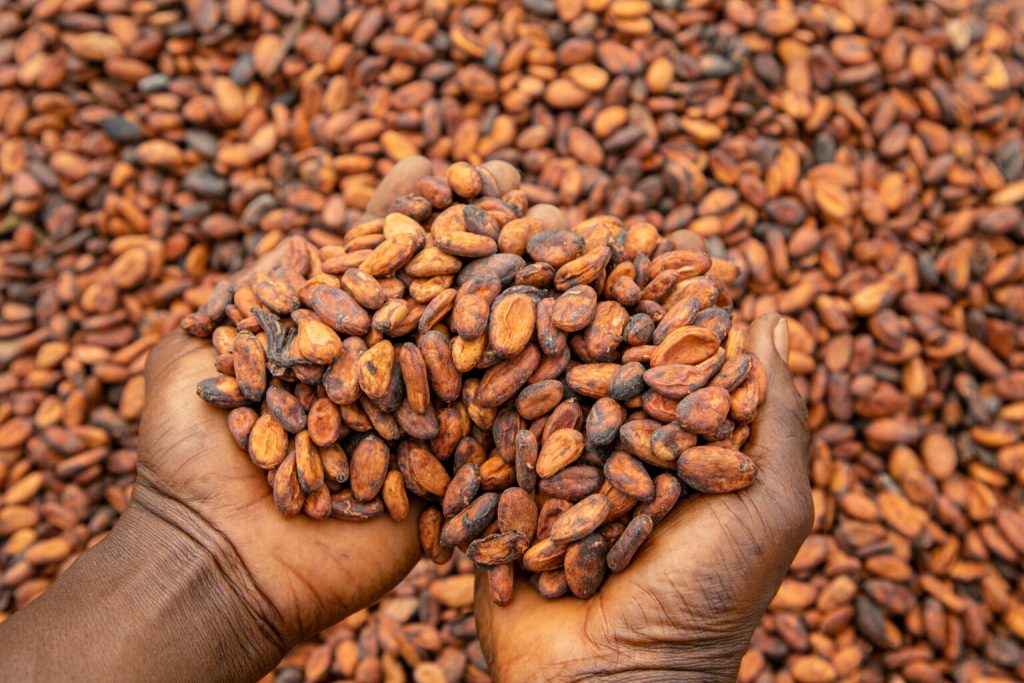
Global cocoa prices have climbed to multi month highs, driven by renewed concerns over supply disruptions in some of the world’s largest cocoa producing countries. While higher prices may appear to be good news for producers, experts say the latest market movement reflects deeper challenges facing the global cocoa industry, including climate change, unpredictable weather patterns and the vulnerability of agricultural supply chains. See Trading Economics
West Africa remains at the heart of the global cocoa market, with countries such as Côte d’Ivoire and Ghana accounting for more than half of the world’s cocoa production. As weather related risks continue to threaten harvests in the region, the effects are being felt across international markets, raising concerns among manufacturers, investors and consumers alike.
Beyond the price rally, the latest developments present an important opportunity to rethink how cocoa is produced, traded and supported. For sustainability advocates, businesses and policymakers, the conversation is no longer just about supply and demand. It is about building a cocoa industry that is resilient, equitable and capable of withstanding the environmental and economic pressures of the future.
Why Cocoa Prices Are Rising
Commodity prices are influenced by several factors, including production levels, weather conditions, demand and market expectations.
The recent increase in cocoa prices has been linked largely to concerns about supply. Unfavourable weather conditions, changing rainfall patterns and crop diseases have raised uncertainty about harvest volumes in key producing countries.
When markets anticipate lower production, prices typically rise as buyers compete for limited supplies. In the case of cocoa, even small disruptions in major producing regions can have significant effects on global prices because of the industry’s dependence on a relatively small number of countries.
The latest price movement is therefore a reflection of growing concerns about the long term stability of cocoa production rather than a temporary market fluctuation.
Climate Change Is Reshaping Cocoa Farming
For many cocoa farmers across Africa, climate change is no longer a future concern. It is already affecting how they grow, harvest and manage their crops.
Rising temperatures, irregular rainfall, prolonged dry seasons and the increasing spread of crop diseases are making cocoa farming more difficult in many producing communities.
Cocoa trees thrive under specific environmental conditions. When those conditions become less predictable, yields decline and farmers face greater financial uncertainty.
Extreme weather events also increase the risk of crop losses, making it harder for farming households to maintain stable incomes.
These challenges highlight the close relationship between environmental sustainability and agricultural productivity. Without effective climate adaptation measures, future cocoa supplies could become even more vulnerable.
Do Higher Prices Benefit Farmers?
Although rising cocoa prices often generate positive headlines, the benefits do not always reach farmers in proportion to global market gains.
Many smallholder farmers operate within complex supply chains where international prices are influenced by contracts, local regulations, taxes and intermediary costs.
Production expenses have also increased significantly in recent years. Fertilisers, labour, transportation and farm maintenance now cost considerably more than they did just a few years ago.
As a result, higher cocoa prices do not automatically translate into higher household incomes.
This reality has strengthened calls for more transparent and equitable value chains that ensure producers receive fair compensation for their work while encouraging sustainable farming practices.
Supporting farmer livelihoods remains essential to securing the long term future of the cocoa industry.
Building a More Sustainable Cocoa Value Chain
The challenges facing cocoa production cannot be solved by farmers alone.
Chocolate manufacturers, exporters, governments, financial institutions and development organisations all have important roles to play in creating a more resilient supply chain.
Increasingly, companies are integrating Environmental, Social and Governance (ESG) principles into their sourcing strategies by investing in sustainable agriculture, traceability systems and farmer support programmes.
These initiatives often include training on climate smart farming techniques, responsible land management, agroforestry, soil conservation and biodiversity protection.
Such investments not only improve environmental outcomes but also help strengthen productivity and reduce supply risks over time.
For businesses that depend heavily on cocoa, supporting sustainable production is becoming both a commercial necessity and a corporate responsibility.
The Importance of Climate Resilient Agriculture
Climate resilient agriculture is emerging as one of the most effective responses to the challenges confronting cocoa farming.
This approach focuses on helping farmers adapt to changing environmental conditions while protecting natural resources.
Practices such as planting shade trees, improving soil health, conserving water and adopting disease resistant crop varieties can improve farm resilience and reduce vulnerability to climate shocks.
Access to agricultural extension services, climate information and affordable financing also enables farmers to make better decisions and invest in long term productivity.
Expanding these solutions across cocoa producing regions will require stronger collaboration between governments, development partners and the private sector.
Why This Matters for Africa’s Economy
Cocoa is more than an export commodity.
It supports millions of livelihoods across West and Central Africa and contributes significantly to national economies through exports, employment and rural development.
Communities involved in cocoa production depend on stable harvests to fund education, healthcare and household needs.
When production declines because of climate related challenges, the effects extend far beyond farms. Local businesses, transport operators, processors and exporters also experience economic pressure.
Protecting the cocoa sector is therefore closely linked to broader goals of poverty reduction, food security and sustainable economic development.
Countries that invest in climate resilient agriculture today are likely to be better positioned to maintain competitiveness in the global cocoa market tomorrow.
Related: Nigeria Exports Cocoa but Imports Chocolate: The Cost of Missed Value
Corporate Responsibility Must Go Beyond Sourcing
Global demand for ethically and sustainably produced cocoa continues to grow.
Consumers are increasingly interested in understanding where products come from and how they are produced.
This has placed greater responsibility on companies to ensure that their supply chains support environmental protection, respect human rights and promote decent livelihoods for farming communities.
Responsible sourcing should not end with purchasing certified cocoa.
It should also include long term investments in community development, climate adaptation, farmer education and sustainable land management.
Businesses that work closely with farming communities can help reduce supply chain risks while contributing to more inclusive and sustainable growth.
Strengthening Partnerships for Long Term Impact
Addressing the challenges facing the cocoa sector requires coordinated action from multiple stakeholders.
Governments can create policies that encourage sustainable farming and improve rural infrastructure.
Financial institutions can expand access to affordable credit for smallholder farmers.
Development organisations can provide technical support and capacity building programmes.
Private sector companies can continue investing in responsible sourcing and innovation.
Research institutions can develop improved crop varieties capable of withstanding changing climatic conditions.
Together, these efforts can help build a more resilient cocoa industry that benefits producers, businesses and consumers alike.
Looking Ahead
The latest rise in global cocoa prices serves as a reminder that agriculture remains highly vulnerable to environmental and economic uncertainty.
While stronger prices may provide temporary relief to some market participants, lasting progress will depend on addressing the underlying factors affecting cocoa production.
Building resilience requires sustained investment in climate adaptation, farmer empowerment, sustainable land management and responsible business practices.
For Africa, where cocoa remains an important source of employment and export earnings, these investments are essential to securing the future of one of the continent’s most valuable agricultural sectors.
Conclusion
The recent surge in global cocoa prices is about more than market dynamics. It reflects the growing pressures facing one of the world’s most important agricultural industries.
As climate risks continue to reshape production, governments, businesses and development partners have an opportunity to strengthen the resilience of the cocoa value chain through sustainable investments and responsible collaboration.
Ensuring that cocoa farming remains productive, profitable and environmentally sustainable will not only protect global supply but also improve the livelihoods of millions of farming families across Africa.
In an era where climate resilience and sustainable development have become central to economic growth, the future of cocoa will depend not simply on higher prices, but on stronger partnerships and long term commitments that place farmers and sustainability at the heart of the industry.
[give_form id="20698"]