How to Stay Safe in This Flood Season: A Practical Guide for Households and Communities
 ONYINYECHI NWAIGBA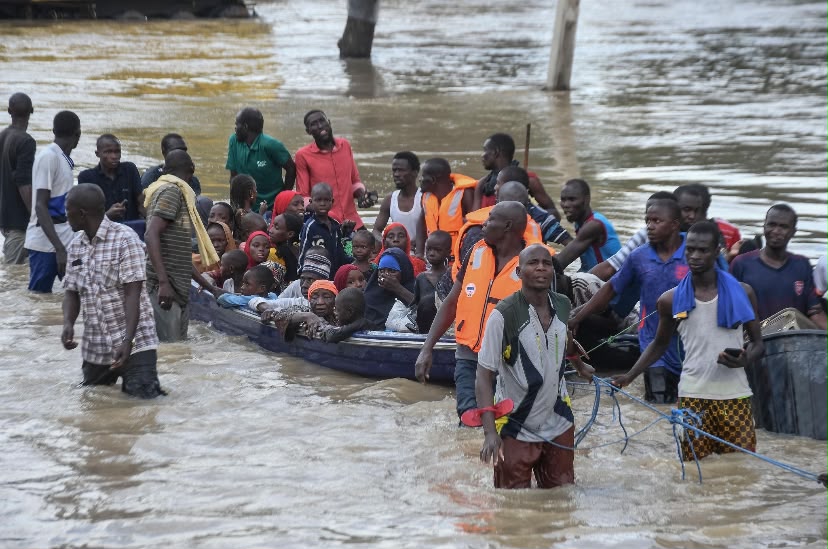
Floodwaters have once again become part of daily life across many communities. Roads that were once easily accessible are now submerged, homes have been inundated, schools have suspended activities in some areas, and many families are facing uncertainty as heavy rainfall continues.
For many Nigerians, this is no longer a question of preparing for floods. The floods are already here.
While emergency responders and humanitarian agencies continue to assist affected communities, every household also has a role to play in reducing risks and protecting lives. During periods like this, timely decisions can make the difference between safety and tragedy.
Floods are among the most destructive natural disasters, yet many of the injuries and deaths associated with them are preventable. Understanding how to respond safely before, during, and after flooding is essential for everyone, regardless of whether they live in urban centres or rural communities.
Put Safety Before Property
One of the biggest mistakes people make during flooding is attempting to protect belongings while ignoring personal safety.
Furniture, electronics, and household items can be replaced. Human lives cannot.
If floodwaters are rising rapidly around your home, your priority should be getting everyone, especially children, elderly family members, and persons living with disabilities, to safer ground as quickly as possible.
Avoid delaying evacuation simply because the water level still appears manageable. Flood conditions can change dramatically within minutes, particularly when upstream communities receive heavy rainfall or dams release excess water.
Listen carefully to updates from local authorities and emergency management agencies. If residents are advised to leave an area, it is important to comply immediately rather than waiting until escape routes become inaccessible.
Never Walk or Drive Through Floodwaters
Floodwater often appears calm on the surface, but it can conceal serious dangers underneath.
Open drainage channels, damaged roads, sharp objects, exposed electrical cables, and fast-moving currents may be hidden beneath muddy water. Even shallow floodwater can knock an adult off balance, while deeper water can easily sweep away vehicles.
Many flood-related fatalities occur because people underestimate the force of moving water or believe they can cross safely.
If a road is flooded, turn around and find an alternative route. If no safe alternative exists, postpone the journey.
Motorcyclists and commercial drivers should be especially cautious, as vehicles can lose stability even in relatively shallow water.
No appointment or destination is worth risking a life.
Keep Children Away From Flooded Areas
Children are naturally curious and may view floodwater as an opportunity to play.
However, floodwater is highly dangerous.
Apart from the risk of drowning, contaminated water may contain sewage, industrial waste, harmful bacteria, snakes, broken glass, and other hazards.
Parents and caregivers should ensure children remain indoors or in safe areas whenever flooding occurs.
Communities should also monitor public spaces where children often gather to prevent unnecessary exposure to flood risks.
Protect Drinking Water and Food Supplies
Flooding often contaminates wells, boreholes, rivers, and household water storage containers.
Consuming contaminated water significantly increases the risk of diseases such as cholera, typhoid fever, diarrhoea, and hepatitis.
If there is any doubt about the safety of drinking water, boil it thoroughly before use or treat it using approved purification methods.
Store clean water in covered containers and avoid using floodwater for cooking, washing food, or drinking.
Food that has come into contact with floodwater should also be discarded, even if it appears unharmed.
It is safer to lose a meal than to expose an entire household to waterborne illnesses.
See : New Flood Alert from NiHSA Raises Drinking Water Fears
Switch Off Electricity Where Possible
Electricity and floodwater create a deadly combination.
If water begins entering your home and it is safe to do so, switch off the main electrical supply before evacuation.
Never touch electrical appliances while standing in water or with wet hands.
Similarly, avoid fallen power lines and report them immediately to electricity distribution companies or emergency authorities.
Residents should assume every exposed electrical wire is live until professionals confirm otherwise.
Prepare an Emergency Bag Even Now
Although the flood season is already underway, households that have not assembled emergency supplies can still do so.
An emergency bag should contain essential medications, identification documents stored in waterproof packaging, rechargeable lights or flashlights, power banks, bottled water, dry food items, basic first aid materials, extra clothing, baby supplies where necessary, and emergency contact information.
Keeping these items together makes evacuation faster if conditions worsen unexpectedly.
Families should also ensure every household member knows where the emergency bag is kept.
Look Out for Vulnerable Neighbours
Flood emergencies affect communities differently.
Older adults living alone, pregnant women, persons with disabilities, young children, and individuals with chronic medical conditions may require additional assistance during evacuation or recovery.
Checking on neighbours, sharing verified information, and offering practical support can save lives.
Simple acts such as helping someone relocate, charging mobile phones, or providing clean drinking water can make a significant difference during emergencies.
Communities that work together often recover faster than those where households face disasters in isolation.
Avoid Rumours and Follow Verified Information
Flood emergencies often lead to the rapid spread of misinformation on social media.
False reports about dam releases, bridge collapses, road closures, or weather conditions can create unnecessary panic or place people in greater danger.
Residents should rely on verified information from recognised government agencies, emergency management organisations, meteorological authorities, and trusted news platforms.
Before forwarding any message, confirm its authenticity.
Sharing inaccurate information during emergencies may unintentionally expose others to harm.
Maintain Proper Waste Disposal
Blocked drainage systems remain one of the major factors worsening urban flooding.
Even as rainfall continues, communities should avoid dumping refuse into gutters, canals, streams, and drainage channels.
Plastic waste, household refuse, and construction debris obstruct the natural flow of water, causing flood levels to rise more quickly.
Community associations can organise safe environmental sanitation exercises whenever weather conditions permit.
While clearing drainage during active flooding is unsafe, keeping surrounding areas free of waste throughout the season helps reduce future blockages.
Flood resilience begins with everyday environmental responsibility.
Watch for Health Risks After Floodwaters Recede
The danger does not end when the water disappears.
Flood-affected communities often experience increased cases of infectious diseases due to contaminated environments and damaged sanitation systems.
Mosquito breeding also increases after flooding, raising the risk of malaria.
Residents should clean homes using protective equipment where possible, disinfect affected surfaces, wash hands regularly with clean water and soap, and seek medical attention if symptoms such as persistent diarrhoea, fever, skin infections, or vomiting develop.
People returning to flooded homes should also inspect buildings carefully for structural damage before reoccupying them.
Walls, ceilings, foundations, and electrical installations may have been weakened by prolonged exposure to water.
Strengthening Community Preparedness During the Season
Flood safety is not solely the responsibility of government agencies.
Communities play a crucial role in reducing disaster risks through cooperation, awareness, and collective action.
Residents’ associations can establish communication groups that share verified emergency information, identify vulnerable households requiring assistance, and coordinate community responses during heavy rainfall.
Schools, religious institutions, and community leaders can also use their platforms to educate residents on safe practices throughout the flood season.
Businesses operating in flood-prone locations should review employee safety procedures, protect important records, and support staff who may be affected by flooding.
Corporate organisations can further contribute by supporting relief efforts, donating emergency supplies, sponsoring public awareness campaigns, and partnering with humanitarian organisations to reach vulnerable communities.
Flood resilience becomes stronger when governments, businesses, civil society organisations, and residents work together.
Staying Safe Requires Continuous Vigilance
As the rains continue and flood risks remain high in many parts of the country, safety must remain everyone’s priority.
No community can completely eliminate the impact of flooding, but informed decisions and collective responsibility can significantly reduce injuries, disease outbreaks, property losses, and fatalities.
Every household should continue monitoring weather updates, remain alert to changing conditions, and respond quickly whenever evacuation becomes necessary.
Equally important is extending support to neighbours and vulnerable residents who may need assistance during this challenging period.
Floods may disrupt daily life, but they also remind communities of the importance of preparedness, solidarity, and resilience.
This flood season, staying informed, acting early, and looking out for one another could be the most effective lifesaving measures any community can take.
[give_form id="20698"]