ROSEMARY IMOBHIO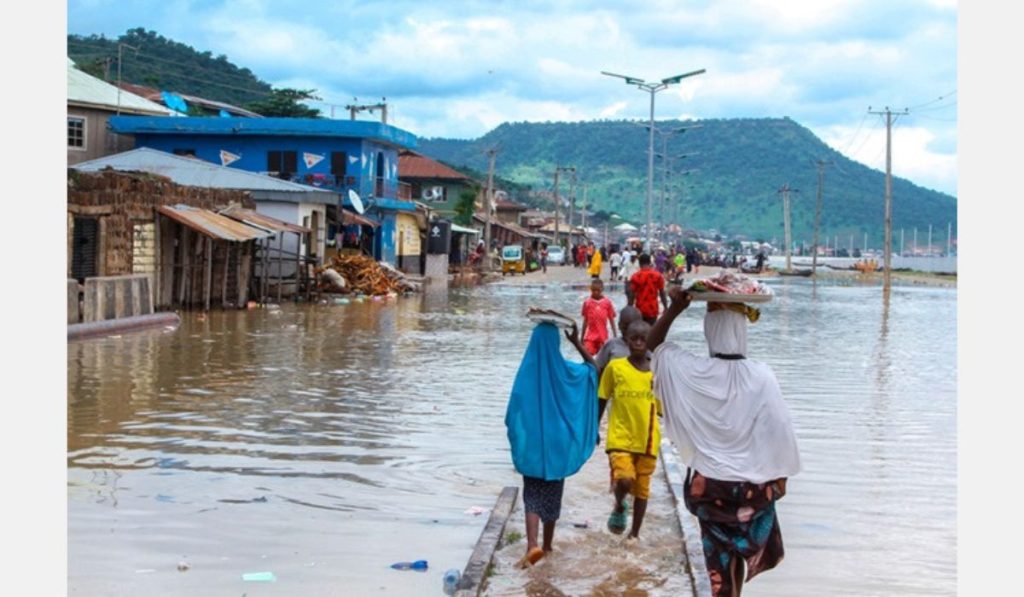
Nigeria could face up to 12 more weeks of heavy rainfall and flooding. Experts warn that the impact may extend beyond damaged homes and roads to threaten the safety of drinking water and public health. The Nigeria Hydrological Services Agency (NiHSA) says the peak of the rainy season is still ahead. It is urging governments, businesses, and communities to prepare for worsening conditions through September.
The warning comes after several states recorded severe flooding in recent weeks, displacing residents, disrupting economic activities, and damaging infrastructure. Seasonal flooding is not new. However, NiHSA believes the coming weeks will present an even greater test of the country’s preparedness. Particularly as climate-related weather events become more frequent and intense.
According to the agency, August and September are expected to bring the heaviest rainfall. During them, floodwaters are likely to persist for about 12 weeks before gradually receding. Conditions may begin to improve later in the year. However, officials caution that the effects could linger into October in some areas before normalcy returns.
However, the latest warning goes beyond rising water levels. NiHSA says flooding could contaminate drinking water sources. This creates serious public health risks for millions of Nigerians. Most depend on boreholes, shallow wells, rivers, and other untreated water sources.
For sustainability professionals, businesses, and policymakers, the warning is more than a weather forecast. It highlights the growing need for climate adaptation, resilient infrastructure, improved urban planning, and stronger water resource management in one of Africa’s largest economies.
A Growing Water Security Challenge
Floods often leave visible destruction in their wake, yet their hidden consequences can be equally damaging. As floodwaters spread across communities, they frequently carry sewage, industrial waste, agricultural runoff, and other pollutants. These get into water sources that many households rely on every day.
Consequently, clean water can quickly become contaminated. This increases the risk of waterborne diseases such as cholera, typhoid fever, diarrhoea, and hepatitis A. Children, older adults, and people with weakened immune systems are often the most vulnerable during these outbreaks.
Recognising this risk, NiHSA has begun monitoring groundwater quality before and after major flooding events. The agency says it collected baseline data from boreholes before the peak rainy season. It plans to carry out post-flood assessments to determine how floodwaters affect drinking water quality.
That approach reflects a growing recognition that flood management should extend beyond emergency response. It should also include environmental monitoring, early detection of contamination, and stronger public health interventions.
Furthermore, protecting water quality is becoming an essential part of climate resilience. Safe drinking water supports healthy communities, and reduces pressure on healthcare systems. It helps businesses maintain productive workforces during periods of environmental stress.
Why Lagos Remains Highly Vulnerable
Although flooding affects many parts of Nigeria, Lagos faces a unique combination of risks that makes it especially vulnerable. According to NiHSA, the state experiences three distinct forms of flooding. Urban flooding occurs when intense rainfall overwhelms drainage systems. Riverine flooding develops as rivers overflow their banks. Coastal flooding also affects low-lying communities when high tides push seawater inland.
These events can occur independently. However, they can also happen simultaneously, increasing the scale and complexity of flooding across the state.
Rapid urbanisation has intensified these challenges. As more land is covered by buildings and paved surfaces, rainwater has fewer places to drain naturally. Blocked drainage channels, plastic waste, and sediment buildup further reduce the capacity of drainage systems, causing water to accumulate more quickly during heavy rainfall.
In addition, parts of Lagos lie at or below sea level, making it more difficult for floodwaters to flow away efficiently. High tides can slow drainage even after rainfall has stopped, prolonging flooding in several communities.
Together, these factors illustrate why flood resilience requires more than emergency relief. It also depends on long-term investments in drainage infrastructure, effective waste management, land-use planning, and ecosystem restoration.
Climate Change Is Raising the Stakes
Scientists have long warned that climate change is increasing the frequency and intensity of extreme weather events across many parts of the world. Nigeria is already experiencing some of those effects. We’re experiencing heavier rainfall, shifting weather patterns, prolonged heatwaves, and recurring floods.
Although no single flood event can be attributed solely to climate change, warmer temperatures allow the atmosphere to hold more moisture. This increases the likelihood of intense rainfall over shorter periods. As a result, communities with inadequate drainage and ageing infrastructure face greater risks each rainy season.
Moreover, rapid population growth and expanding cities have increased pressure on natural waterways and wetlands that once absorbed excess rainfall. In many urban centres, development has reduced the natural buffers that helped limit flooding in previous decades.
These trends suggest that flood preparedness can no longer focus only on responding to disasters after they occur. Instead, governments, businesses, and communities must invest in long-term resilience that reduces both environmental and economic losses before the next storm arrives.
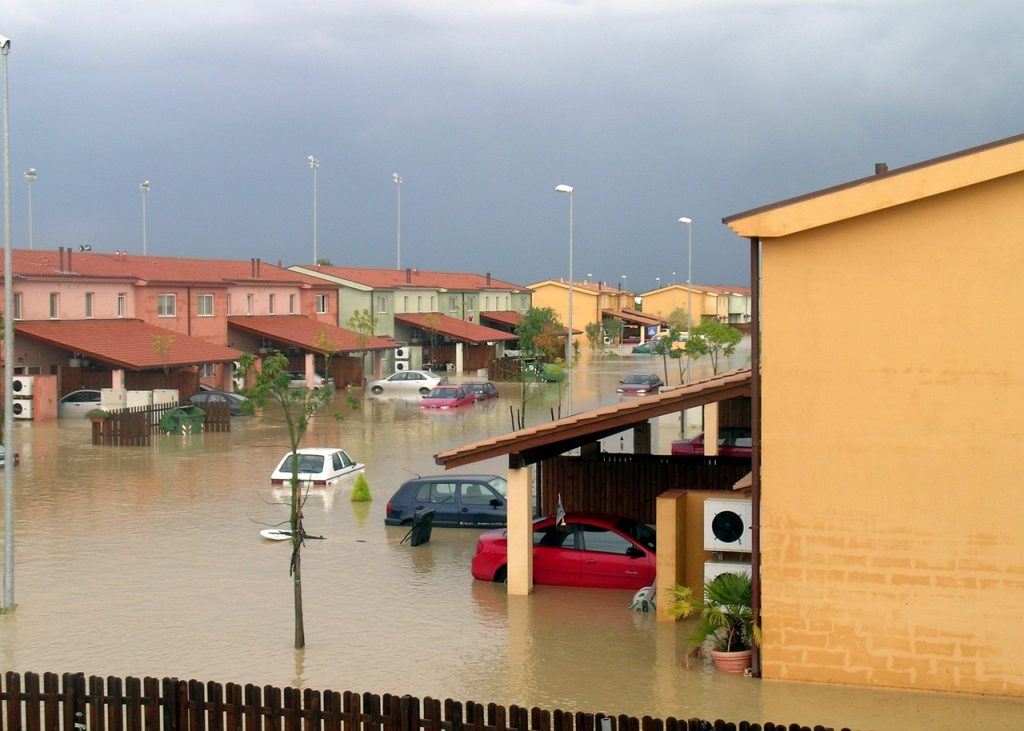
Flooding Is Also a Business and ESG Risk
While communities often bear the immediate impact of flooding, businesses also face growing operational and financial risks. Flooded roads can disrupt supply chains, delay deliveries, damage inventory, and limit access to workplaces. Manufacturers may experience production downtime, while farmers can lose crops and livestock to rising waters.
In addition, repeated flooding places greater pressure on infrastructure such as roads, bridges, electricity networks, and telecommunications. Repairing this damage requires significant public spending, which can divert resources from education, healthcare, and other development priorities.
For companies, these risks increasingly fall within the scope of Environmental, Social and Governance (ESG) management. Investors now expect businesses to assess climate-related risks, strengthen operational resilience, and support the communities in which they operate.
Consequently, flood preparedness is no longer viewed as a matter for emergency agencies alone. It has become an important consideration for boards, risk managers, insurers, and sustainability professionals seeking to protect long-term value.
Why Corporate Social Responsibility Matters
The latest warning also highlights the role businesses can play before, during, and after flooding.
Many companies already support disaster relief through food donations, temporary shelters, and emergency medical supplies. Although those efforts remain important, experts say corporate social responsibility should increasingly focus on building resilience rather than responding only after disasters occur.
For example, companies can invest in community water projects, strengthen sanitation facilities, and support drainage rehabilitation. They can partner with local authorities on waste management campaigns that reduce blocked waterways.
Businesses can also help communities understand flood risks through awareness campaigns, early warning initiatives, and employee volunteer programmes. These investments often deliver lasting benefits because they reduce future losses while strengthening relationships with host communities.
Furthermore, organisations that integrate climate resilience into their CSR strategies are better positioned to demonstrate long-term social value. Rather than treating flooding as an isolated emergency, they can contribute to broader efforts that improve public health, environmental protection, and sustainable development.
A Continental Challenge
Nigeria is not alone in confronting more frequent and destructive flooding.
Across Africa, countries such as Kenya, Mozambique, Ghana, and South Africa have experienced increasingly severe floods that have displaced families, damaged infrastructure, and disrupted economic activities. In response, governments have expanded investments in early warning systems, climate adaptation programmes, and resilient infrastructure.
Development institutions have also encouraged greater collaboration between governments, businesses, and civil society to strengthen disaster preparedness across the continent.
These experiences demonstrate that effective flood management depends on more than emergency response. It requires coordinated planning, reliable climate data, sustainable financing, and active community participation.
Persistent Challenges
Despite improved forecasting, significant obstacles remain.
Poor urban planning continues to place homes and businesses in flood-prone areas. Blocked drainage channels, often caused by indiscriminate waste disposal, reduce the capacity of drainage systems during heavy rainfall. Rapid urban growth has also increased pressure on ageing infrastructure that was never designed to serve today’s population.
Funding remains another concern. Many local governments struggle to finance drainage upgrades, flood control projects, and regular maintenance programmes. At the same time, enforcement of environmental regulations often varies across jurisdictions.
Climate change is adding further complexity. More intense rainfall can overwhelm infrastructure even where flood control measures exist, making continuous investment and adaptation increasingly important.
Coming Months
NiHSA’s latest advisory should not be viewed as another seasonal weather update. Instead, it offers a timely reminder that climate resilience, water security, and sustainable development are closely connected.
The coming months will test Nigeria’s ability to translate early warnings into coordinated action. Governments must continue strengthening infrastructure and disaster preparedness. Businesses have an opportunity to integrate climate resilience into their ESG and CSR strategies. Communities also play a vital role by supporting responsible waste disposal, protecting drainage systems, and responding promptly to official advisories.
If these efforts come together, the country will be better equipped to reduce flood-related losses and safeguard public health. However, if the warning goes unheeded, the social and economic costs could extend well beyond the rainy season.
As climate risks continue to evolve, resilience will increasingly depend not only on responding to emergencies but also on making sustained investments that protect people, infrastructure, and natural resources. For Nigeria, that work cannot wait until the floodwaters arrive
[give_form id="20698"]