FG Launches ₦3.05 Billion Programs to Strengthen Healthcare, Education and Reduce Poverty
 ONYINYECHI NWAIGBA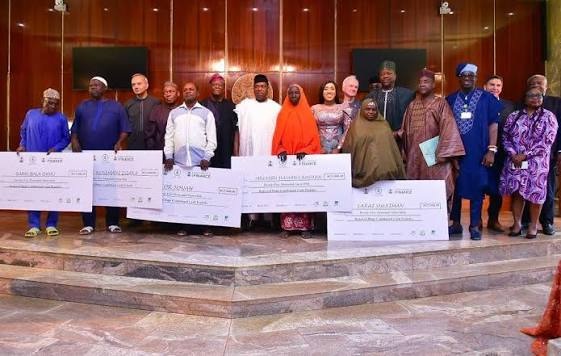
New social investment initiatives target vulnerable Nigerians through improved access to healthcare, education support, livelihoods and economic inclusion.
The Federal Government has unveiled a new set of social intervention programmes worth ₦3.05 billion, reinforcing its commitment to improving the quality of life for vulnerable Nigerians through targeted investments in healthcare, education, livelihood support and poverty reduction.
The initiatives, launched under the Renewed Hope Agenda, are designed to address some of the country’s most pressing social challenges by expanding access to essential services, strengthening community resilience and promoting inclusive development. The programmes are expected to benefit thousands of Nigerians, particularly women, children, persons with disabilities, older persons and low-income households.
The launch comes at a time when many families continue to grapple with the rising cost of living, unemployment and limited access to quality healthcare and education. By investing in people-centred programmes, the government aims to improve social outcomes while creating pathways to sustainable economic empowerment.
Investing in Human Capital Development
Human capital remains one of the strongest drivers of national development, and the newly launched programmes reflect an increasing emphasis on investing in people rather than simply providing short-term relief.
Speaking during the launch, government officials noted that improving access to healthcare, education and economic opportunities is essential for reducing poverty and building resilient communities.
Rather than treating poverty as a standalone issue, the initiatives adopt a multi-sectoral approach that combines health interventions, educational support, livelihood development and social protection to improve long-term outcomes for beneficiaries.
This approach aligns with global development priorities that recognise the strong relationship between health, education and economic productivity.
Strengthening Healthcare Delivery
A significant portion of the programmes focuses on improving healthcare access for vulnerable populations.
Across many communities in Nigeria, access to quality healthcare remains a major challenge due to financial constraints, inadequate infrastructure and shortages of essential medical services. These barriers often result in preventable illnesses, poor maternal and child health outcomes and increased economic hardship for families.
The new intervention seeks to bridge some of these gaps by supporting initiatives that improve healthcare delivery, expand access to essential services and strengthen community-based health programmes.
Improved healthcare not only saves lives but also enhances productivity by ensuring that individuals remain healthy enough to participate in education, employment and economic activities.
The government believes that investing in healthcare is a critical step toward reducing inequality and improving national development indicators.
Expanding Educational Opportunities
Education also features prominently in the new investment package.
Many children across Nigeria continue to face barriers to education, including poverty, inadequate learning resources and limited access to quality schools.
The programmes are expected to provide support that enables more children and young people to remain in school while improving learning opportunities for disadvantaged communities.
Education remains one of the most effective tools for breaking the cycle of poverty. By increasing access to learning opportunities, governments can improve future employment prospects, reduce social inequalities and promote inclusive economic growth.
Beyond formal education, the initiatives are also expected to encourage skills development and capacity-building opportunities that prepare beneficiaries for the changing labour market.
Tackling Poverty Through Social Protection
Poverty reduction remains one of the central objectives of the newly launched programmes.
Millions of Nigerians continue to experience multidimensional poverty, with limited access to income, healthcare, education and social services affecting their overall quality of life.
The Federal Government’s latest intervention seeks to strengthen social protection by supporting vulnerable households with programmes that improve livelihoods and increase economic resilience.
Rather than relying solely on direct financial assistance, the initiatives are designed to promote sustainable empowerment by creating opportunities that help beneficiaries become more economically independent over time.
This approach reflects a growing shift toward long-term poverty reduction strategies that combine financial support with capacity development and community-based interventions.
Supporting Vulnerable Groups
One of the defining features of the programmes is their focus on inclusion.
Women, children, persons with disabilities, older persons and economically disadvantaged households are expected to be among the primary beneficiaries.
These groups often face greater barriers in accessing healthcare, education and employment opportunities, making targeted interventions essential for reducing inequality.
Inclusive social investment programmes contribute to stronger communities by ensuring that development benefits reach those who need them most.
They also support Nigeria’s broader commitments to achieving the Sustainable Development Goals (SDGs), particularly those related to poverty eradication, good health, quality education, gender equality and reduced inequalities.
Creating Lasting Social Impact
While the immediate objective of the programmes is to provide support for vulnerable Nigerians, their long-term success will depend on effective implementation, transparency and continuous monitoring.
Development experts have consistently emphasised that well-designed social investment programmes produce the greatest impact when they are adequately funded, efficiently managed and supported by strong accountability mechanisms.
Collaboration between government agencies, development partners, civil society organisations and local communities will also be essential in ensuring that resources reach intended beneficiaries.
If successfully implemented, the programmes could contribute to improved health outcomes, increased school enrolment, enhanced livelihoods and stronger community resilience.
The Role of Partnerships
Addressing complex social challenges requires collaboration across multiple sectors.
Government investment alone cannot eliminate poverty or solve healthcare and education challenges. Partnerships with development organisations, private sector institutions, non-governmental organisations and community leaders will be critical in expanding the reach and sustainability of these interventions.
Such collaborations can also introduce innovative solutions, improve service delivery and strengthen monitoring systems that ensure accountability.
Increasingly, successful social investment initiatives are those that combine public funding with private sector expertise and community participation.
Advancing the Sustainable Development Goals
The new programmes also reinforce Nigeria’s commitment to achieving several Sustainable Development Goals.
Investments in healthcare contribute to SDG 3 (Good Health and Well-being), while education-focused interventions support SDG 4 (Quality Education).
Efforts aimed at poverty reduction directly advance SDG 1 (No Poverty), while inclusive interventions that prioritise women and vulnerable populations contribute to SDG 5 (Gender Equality) and SDG 10 (Reduced Inequalities).
By integrating multiple development priorities into a single framework, the initiatives demonstrate how coordinated social investment can deliver broader national impact.
See: Government Says CSR in Nigeria Should Prioritise Poverty Reduction
A Step Towards Inclusive Development
The launch of the ₦3.05 billion programmes represents another effort by the Federal Government to strengthen Nigeria’s social protection system and improve the wellbeing of vulnerable citizens.
While challenges relating to implementation, funding sustainability and programme monitoring remain important considerations, the initiatives reflect an increasing recognition that investments in people are essential for national development.
Healthcare, education and poverty reduction are closely connected. Improving one often creates positive outcomes in the others, leading to healthier communities, better educational attainment and greater economic opportunities.
If effectively implemented and sustained, the program could help strengthen human capital, reduce vulnerability and contribute to a more inclusive and resilient Nigerian economy.
Looking Ahead
The launch of the $3.05 billion programme package signals a renewed commitment to tackling some of Nigeria’s most pressing social and economic challenges through coordinated investments in people and public institutions.
However, the true measure of success will not be the size of the funding announced but the impact these programmes have on the lives of ordinary Nigerians.
Ensuring timely implementation, prudent management of resources and transparent reporting will be critical to achieving the desired outcomes.
If effectively executed, the initiatives could strengthen Nigeria’s healthcare and education systems, expand economic opportunities, improve community resilience and reduce poverty across the country.
They also have the potential to serve as a model for how integrated social investment can drive inclusive development while supporting long-term economic growth.
Why This Matters
The Federal Government’s ₦3.05 billion investment highlights the growing importance of integrated social development programmes in tackling Nigeria’s most pressing challenges. By focusing simultaneously on healthcare, education and poverty reduction, the initiatives have the potential to improve lives while advancing sustainable development. For businesses, development organisations and CSR practitioners, the programmes also present opportunities for collaboration that can amplify social impact, strengthen community resilience and accelerate progress towards inclusive growth.
[give_form id="20698"]