


 EKWEMUKA IFEANYI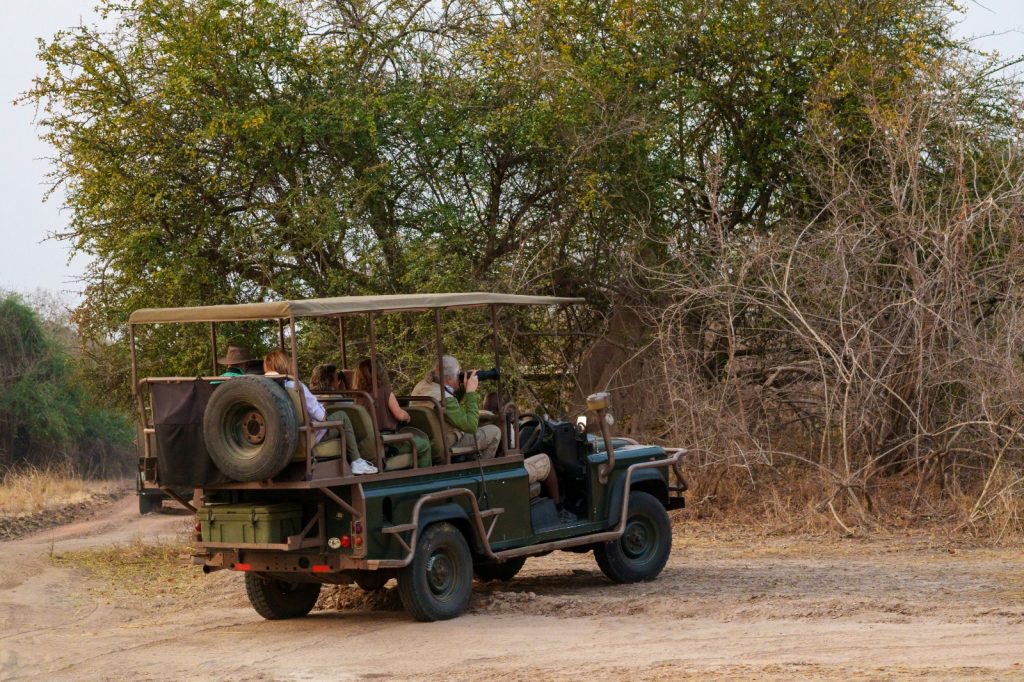
Tourism is becoming an increasingly important economic opportunity for African countries seeking jobs, investment and sustainable development.
However, growing visitor numbers can also place pressure on ecosystems, communities and natural resources.
The challenge is therefore no longer simply attracting more tourists. African destinations must also ensure tourism protects the assets that make those destinations attractive.
Recent research from the World Travel & Tourism Council shows the scale of the opportunity. Travel & Tourism contributed about US$228 billion to Africa’s economy in 2025, representing 7% of regional GDP.
The sector also supported approximately 30.2 million jobs across the continent. WTTC expects Africa’s tourism industry to grow further in 2026, with its contribution projected to reach US$241 billion.
That growth creates opportunities for governments, communities and businesses. However, the benefits will depend heavily on how tourism development is planned and managed.
Across Africa, several destinations are experimenting with different approaches. Kenya, Rwanda, Tanzania, Botswana, Namibia, South Africa and Seychelles provide useful examples.
Their models are not identical, and none should be considered perfect. Instead, each demonstrates how tourism can connect economic activity with conservation, community participation and environmental responsibility.
Kenya: Connecting Wildlife Conservation With Tourism
Kenya’s tourism model is closely connected to its wildlife and natural landscapes. The country’s Ministry of Tourism and Wildlife explicitly places sustainable tourism and wildlife conservation within its national mandate.
The ministry says Kenya’s tourism development should be managed in a controlled, integrated and sustainable manner. Its wildlife department also supports community-based wildlife initiatives and sustainable wildlife economies.
Kenya’s legal framework also defines sustainable tourism around meeting the needs of present visitors and hosts. It requires the protection of opportunities for future generations.
This approach is important because wildlife remains a major part of Kenya’s tourism economy. National parks, reserves and conservancies provide attractions for international and domestic visitors.
Kenya Wildlife Service manages protected areas through programmes covering tourism, conservation and community engagement. Its current framework combines state-managed areas with community-led conservancies.
The country’s wildlife economy also seeks to generate economic benefits while maintaining ecological integrity. Kenya Wildlife Service identifies community livelihood diversification as part of this approach.
The lesson is significant for other African countries. Tourism can provide economic incentives for protecting ecosystems when communities and conservation institutions benefit from the activity.
However, sustainable tourism must extend beyond wildlife viewing. Energy use, water consumption, waste management, transport and community participation also require attention.
Kenya’s experience therefore shows that conservation should be integrated into tourism planning. Tourism should help finance and strengthen the natural resources upon which the industry depends.
Rwanda: Turning Conservation Into Community Investment
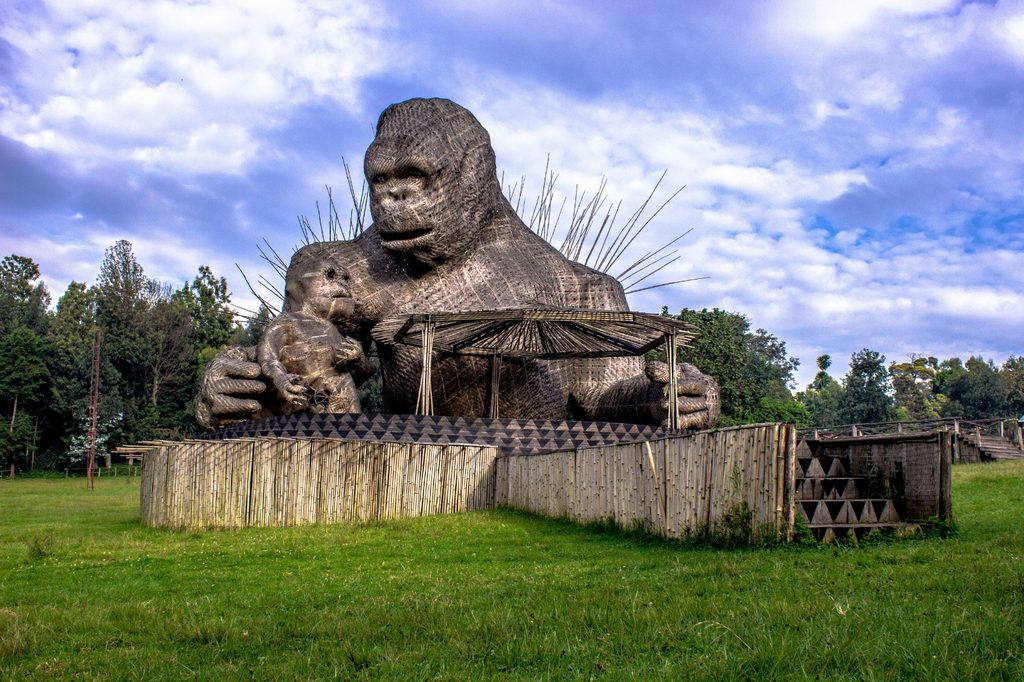
Rwanda offers another model through its connection between protected areas, tourism and community development. Its mountain gorilla tourism is internationally recognised, but the country’s approach extends beyond wildlife experiences.
The Rwanda Development Board operates a Tourism Revenue Sharing Programme. Under the programme, 10% of national park tourism revenues is reinvested in community development around protected areas.
According to the Rwanda Development Board, more than RWF23 billion, approximately US$16 million, has supported nearly 1,300 community projects.
Those projects include schools, health centres, water infrastructure and livelihood initiatives. This creates a direct connection between tourism revenue and community development.
The model also demonstrates an important CSR principle. Communities living near conservation areas should have a tangible reason to support environmental protection.
Tourism can provide that incentive when revenue is deliberately directed toward local priorities. It can also strengthen relationships between conservation authorities, businesses and surrounding communities.
Rwanda’s approach shows that sustainability is not only about protecting animals. It also involves improving the conditions of people who live alongside protected ecosystems.
For African tourism businesses, this presents an important lesson. Community investment should ideally be connected to the economic activities generating the revenue.
That makes social impact easier to measure and potentially more sustainable. It also creates stronger accountability between tourism operators and host communities.
Tanzania: Making Nature-Based Tourism More Inclusive
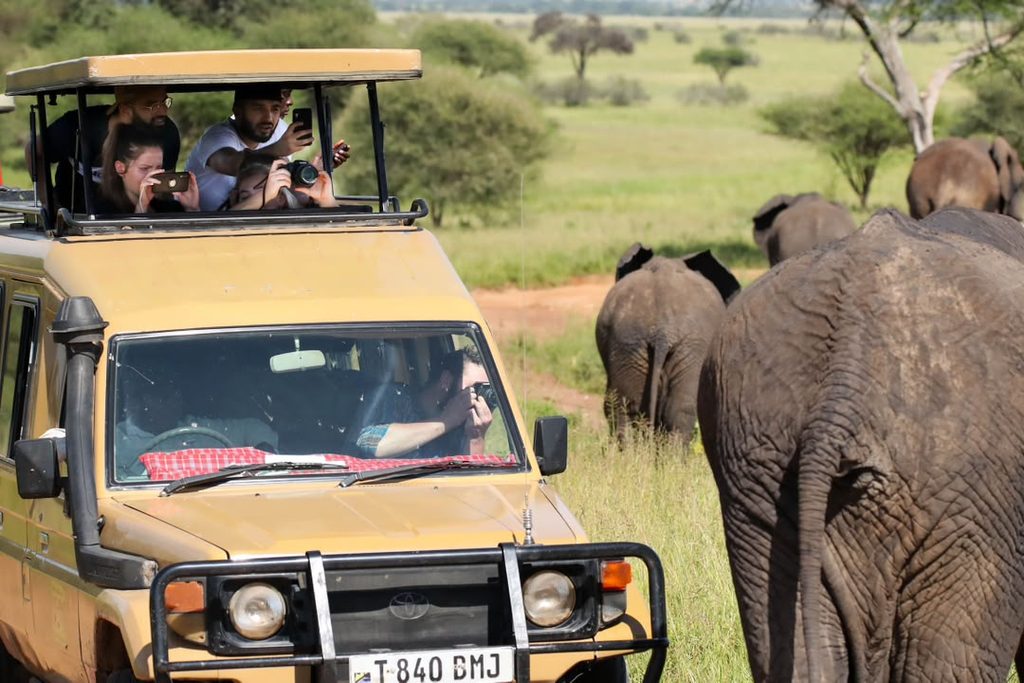
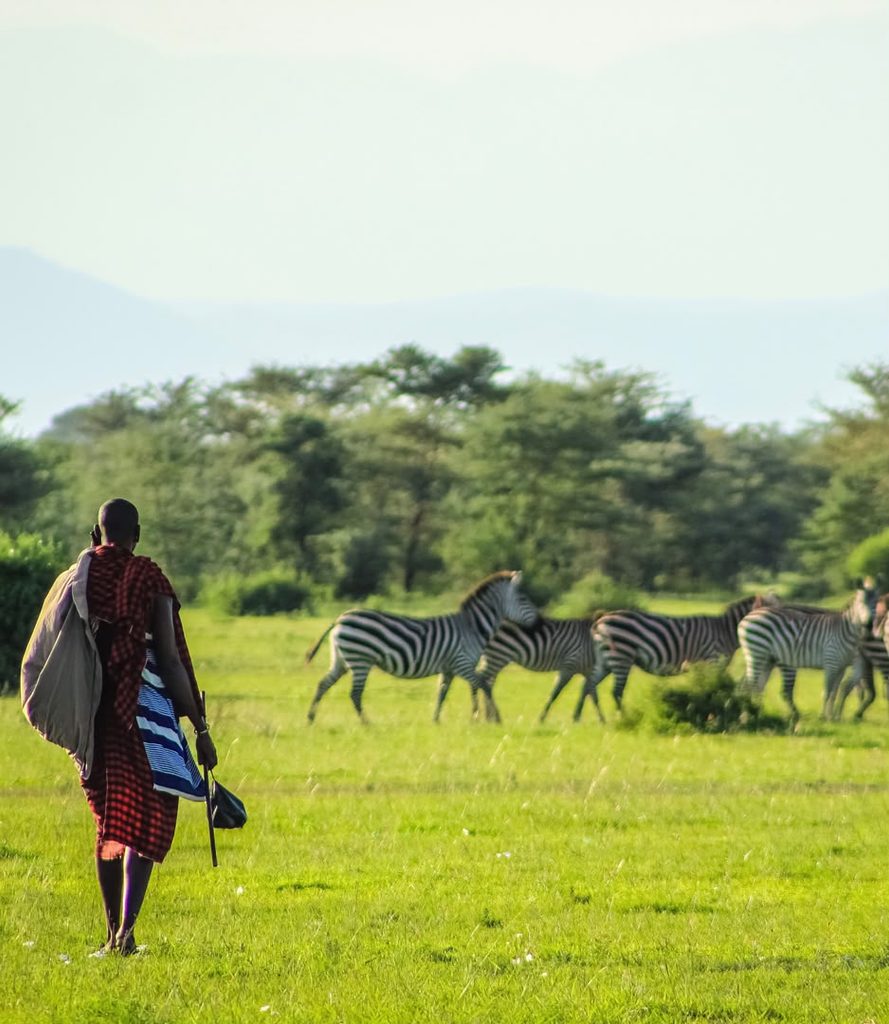
Tanzania has enormous potential for nature-based tourism. Its wildlife, protected areas, landscapes and cultural assets attract visitors while supporting wider economic activity.
The World Bank has described tourism as an important source of jobs, foreign exchange and revenue for preserving natural and cultural heritage. It has also identified tourism as an opportunity for climate adaptation and mitigation.
Tanzania’s experience also demonstrates the importance of involving communities in conservation. A recent World Bank programme supported alternative livelihoods around protected areas.
Those activities included ecotourism, agroforestry, beekeeping, handicrafts and community conservation banks. Such programmes can reduce pressure on natural resources while creating additional sources of income.
Tanzania’s Waga Wildlife Management Area provides another example. The area is managed by five villages, with communities participating in conservation and benefiting from tourism opportunities.
The country’s experience shows that sustainable tourism requires more than protected areas. It requires systems that allow people living around those areas to participate economically.
That principle has wider relevance across Africa. Communities can become partners in conservation when tourism creates legitimate economic opportunities.
Tourism can therefore contribute to both environmental protection and poverty reduction. But those outcomes require strong governance and transparent benefit-sharing mechanisms.
Botswana: Balancing Conservation With Economic Value
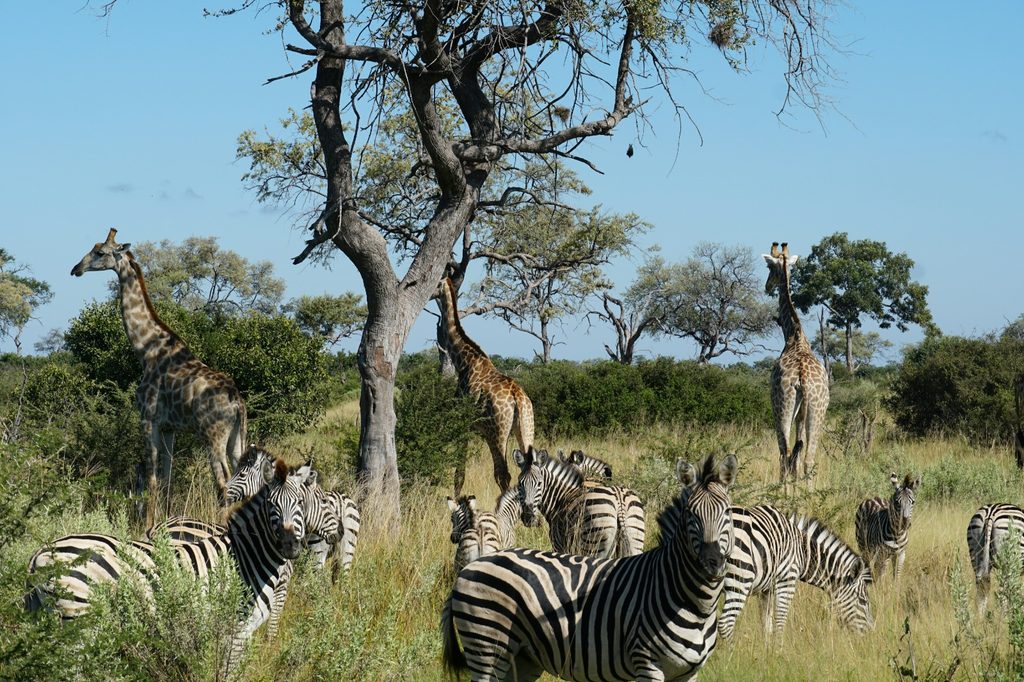
Botswana has traditionally been associated with a high-value, lower-volume tourism approach. The model has focused strongly on conservation while generating economic value from premium wildlife experiences.
Government documents confirm that the approach was designed to support conservation and maximise economic benefits. Botswana has also used it to build an internationally recognised luxury safari market.
However, Botswana has since moved toward a more inclusive tourism framework. Its National Tourism Strategy and Master Plan seeks broader participation through product diversification and citizen-driven enterprise development.
The country is also strengthening ecotourism certification. The government says the initiative aims to improve sustainability standards while making certification more accessible to small businesses and community-based tourism enterprises.
This evolution is important from a CSR perspective. A tourism model cannot be considered fully sustainable if local businesses remain excluded from its economic opportunities.
Botswana’s current approach therefore combines conservation with economic inclusion. The government is seeking stronger participation from citizens, rural businesses and communities.
The country also forms part of the Kavango-Zambezi Transfrontier Conservation Area. The regional initiative links conservation, sustainable tourism and community livelihoods across five countries.
Botswana shows that sustainable tourism must evolve as economic and social priorities change. Conservation remains important, but inclusion must also be built into the model.
Namibia: Giving Communities a Stake in Conservation
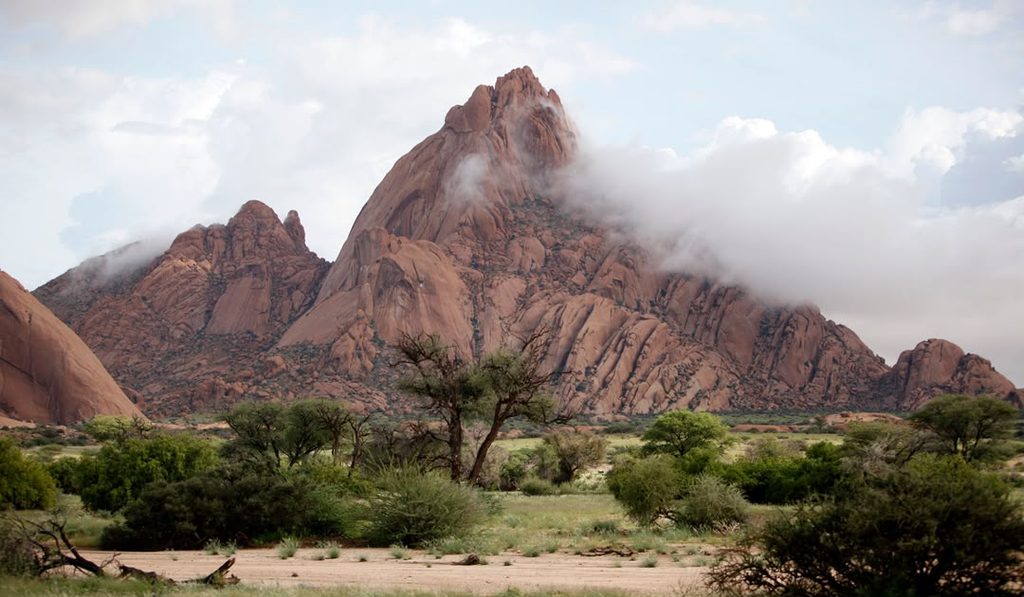
Namibia provides one of Africa’s strongest examples of community-based conservation. Communal conservancies give local communities formal roles in managing wildlife and natural resources.
According to Namibia’s Association of CBNRM Support Organisations, the country has 86 registered communal conservancies covering about 166,184 square kilometres.
The conservancies involve approximately 244,587 people. Together with other conservation areas, they form a large network supporting wildlife protection and sustainable natural-resource management.
Tourism concessions provide another important connection. Conservancies can participate in tourism arrangements with private operators, allowing communities to receive income from natural resources.
NACSO reports that tourism concessions can create jobs and generate revenue for conservation activities. Some concession arrangements allocate 75% of net tourism income to participating conservancies.
The model also supports conservation activities such as game guarding. This creates a direct connection between tourism income and wildlife protection.
Community conservation generated more than N$1.075 billion in net national income in 2023, according to NACSO. Its activities also facilitated approximately 2,340 jobs.
Namibia’s experience offers a powerful lesson for African tourism. Conservation becomes more durable when communities have economic and decision-making interests in protecting natural resources.
It also demonstrates how CSR can move beyond donations. Community ownership, employment and revenue-sharing can become part of the tourism business model itself.
South Africa: Building Responsible Tourism Into Policy

South Africa has formally embedded responsible tourism into its national tourism framework. Its National Tourism Sector Strategy describes responsible tourism as a guiding principle for tourism development.
The strategy links responsible tourism with economic, social and environmental sustainability. It also calls for tourism development that respects the country’s culture, heritage and communities.
South Africa’s Responsible Tourism Manual provides further guidance. It defines responsible tourism around improving local quality of life while creating better visitor experiences and business opportunities.
The framework also emphasises cooperation between government, businesses and communities. That makes responsible tourism a shared responsibility rather than an obligation placed solely on government.
South African National Parks is now developing a regenerative tourism approach. Its strategy includes sustainable infrastructure, renewable energy, water conservation and waste reduction.
SANParks also plans to promote community-owned tourism models. These include local enterprises managing lodges, cultural experiences and eco-adventure services.
This is particularly relevant to CSR and ESG. Tourism companies can create social value through local procurement and community ownership.
They can also reduce environmental impacts through energy efficiency and responsible waste management. These activities can become measurable parts of corporate sustainability strategies.
South Africa therefore demonstrates how responsible tourism can move from policy language into operational planning. It also shows why public institutions and businesses need to work together.
Seychelles: Protecting Tourism’s Natural Foundation
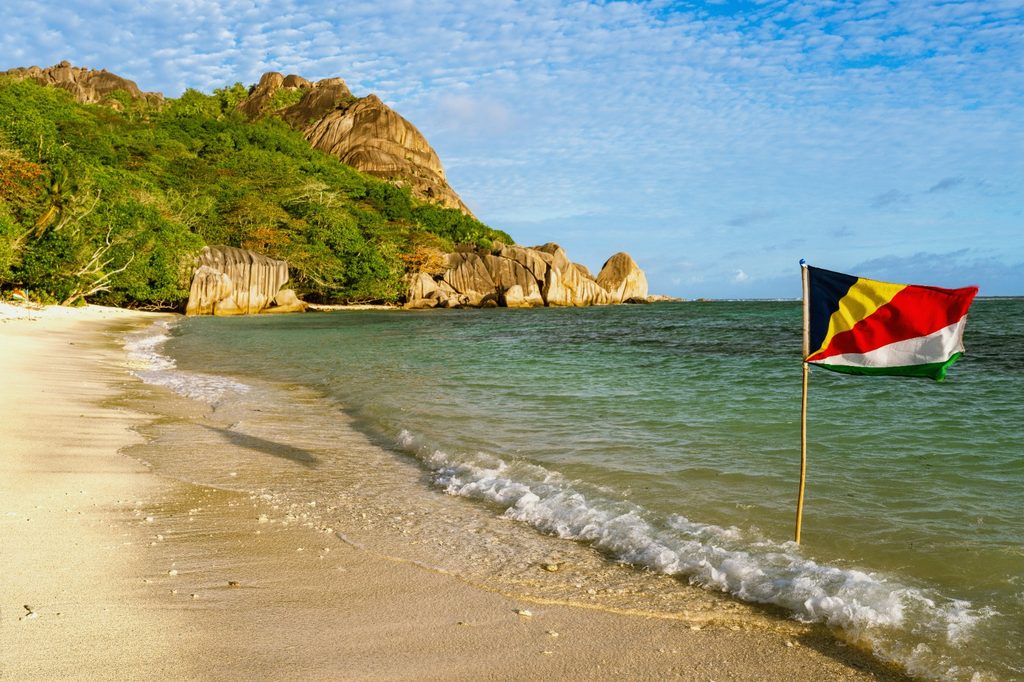
Seychelles presents a different challenge because tourism is closely tied to its coastal and marine ecosystems. Beaches, reefs and other natural assets are central to the country’s tourism appeal.
The country’s Sustainable Tourism Policy Framework recognises the environmental pressures created by tourism. These include greenhouse gas emissions, water consumption, waste, coastal erosion and biodiversity loss.
Seychelles has therefore adopted policies designed to manage tourism growth more carefully. Its tourism framework supports a quality-over-quantity approach rather than pursuing unlimited visitor expansion.
The country has also conducted carrying-capacity studies for major islands. These studies seek to understand how tourism development can occur without overwhelming local environmental and social systems.
Its tourism planning also emphasises local participation and conservation. The country’s tourism strategy identifies community involvement and corporate social responsibility as important elements of sustainable tourism.
This provides an important lesson for other coastal African destinations. Natural resources can attract tourists while simultaneously being vulnerable to tourism pressure.
Sustainable tourism therefore requires businesses to manage their environmental footprint. Water, waste, energy and marine ecosystems all need to form part of destination planning.
Seychelles demonstrates why sustainability is ultimately about protecting the economic foundation of tourism. If natural assets deteriorate, the industry itself becomes vulnerable.
Why This Matters to Africa
Africa’s tourism growth creates a major opportunity for economic diversification. However, the continent must avoid repeating models where tourism revenue grows while environmental and social costs are ignored.
The seven examples demonstrate several different approaches. Kenya connects tourism with wildlife conservation, while Rwanda links park revenue with community development.
Tanzania highlights community livelihoods around protected areas. Botswana demonstrates conservation-focused tourism alongside efforts to increase citizen participation.
Namibia gives communities formal roles in conservation and tourism. South Africa embeds responsible tourism within national policy and operational planning.
Seychelles demonstrates the importance of managing tourism pressure on fragile coastal ecosystems. Together, these models show that sustainable tourism can take many forms.
The common factor is that tourism needs to create value beyond visitor spending. It should strengthen local economies, protect ecosystems and contribute to community wellbeing.
This is particularly important as climate change creates additional pressure on African destinations. Tourism businesses will increasingly need to consider heat, water availability, extreme weather and ecosystem degradation.
Governments also need reliable sustainability standards. Strong policies can help businesses understand what responsible tourism should look like and how performance should be measured.
What Nigeria Can Learn
Nigeria has significant tourism assets, including beaches, forests, wildlife areas, cultural heritage and historical sites. Yet the country can learn from other African destinations about converting those assets into sustainable economic opportunities.
The first lesson is community participation. Namibia and Rwanda demonstrate how communities can benefit directly from conservation and tourism revenue.
Nigeria could strengthen local participation around national parks, cultural sites and other tourism destinations. This could create opportunities for guides, artisans, farmers, transport operators and hospitality businesses.
The second lesson is conservation financing. Kenya and Tanzania demonstrate how tourism can support natural-resource management.
Nigeria’s tourism industry could contribute more deliberately to protecting ecosystems that attract visitors. Such mechanisms would need transparent governance and measurable outcomes.
The third lesson is responsible infrastructure. South Africa’s approach shows how tourism facilities can incorporate renewable energy, water efficiency and waste reduction.
Nigerian hotels and resorts could adopt similar measures. These investments could reduce environmental impacts while potentially lowering operating costs.
The fourth lesson is quality over uncontrolled growth. Seychelles and Botswana demonstrate why destination management matters.
Nigeria should not measure tourism success only through visitor numbers. The stronger question is how much economic, social and environmental value each destination creates.
Tourism Must Create Value Beyond Visitor Numbers
Africa’s tourism industry has considerable room for growth. However, the continent’s long-term success will depend on whether that growth remains economically inclusive and environmentally responsible.
The seven destinations show that there is no single formula for sustainable tourism. Each country has developed approaches that reflect its natural resources, communities, economy and policy environment.
For African governments, the priority should be protecting the assets that make tourism possible. For businesses, sustainability should become part of daily operations rather than remaining a separate CSR activity.
Communities should also have meaningful opportunities to participate. Tourism revenue should create local economic opportunities rather than leaving host communities on the margins.
For Nigeria, these lessons are particularly relevant. The country can use tourism as part of economic diversification while protecting its cultural and environmental resources.
The opportunity is not simply to attract more tourists. It is to build tourism systems that create jobs, support local businesses, finance conservation and strengthen communities.
That is the real promise of sustainable tourism. Africa can grow its visitor economy while protecting the natural and cultural resources that make the continent worth exploring.
[give_form id="20698"]


1 thought on “Seven African Destinations Showing How Tourism Can Support Sustainability”