ROSEMARY IMOBHIO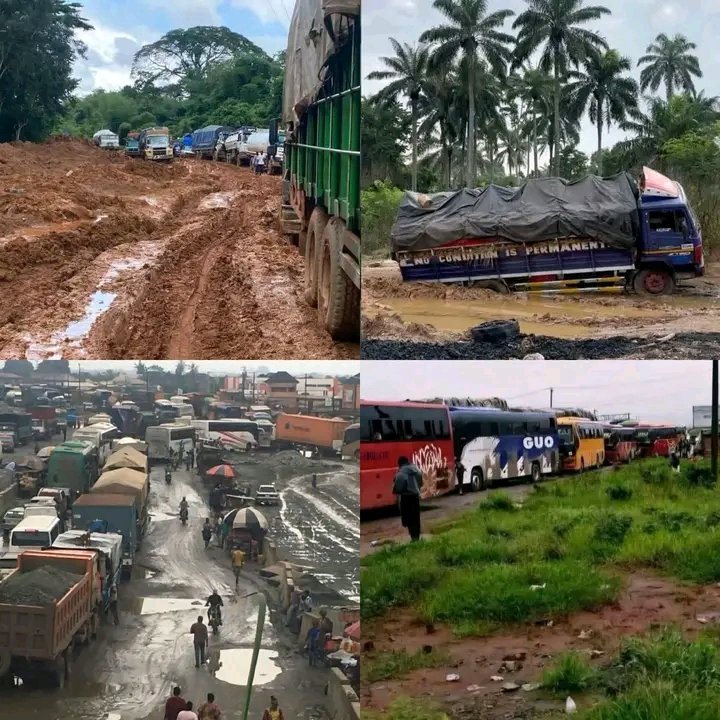
For travellers moving through Edo State, the Benin-Agbor corridor recently became more than a difficult journey. It became a reminder of how quickly failing infrastructure can turn into a social, economic and environmental crisis.
Between August 20 and 21 motorists and passengers were trapped for hours, with some commuters reportedly spending the night on the road. Some commuters spoken to by CSR Reporters said the gridlock stretched into a third day. Vehicles struggled through severely damaged sections of the route with some eventually taking to clearing bush paths beside the road to make way for traffic.
The situation also triggered protests by residents and road users. Their message was straightforward: they wanted the road fixed rather than financial assistance. At first glance, this is a road infrastructure story. However, it is also an important Corporate Social Responsibility and Environmental, Social and Governance story.
When Infrastructure Becomes a Social Issue
Infrastructure is often discussed in terms of concrete, asphalt and government budgets. Yet, its consequences extend much further. When a major transport corridor becomes difficult to use, people lose productive hours.
Businesses face delays. Perishable goods can remain in transit for longer than planned. Videos of perished catfish are circulating. Travellers also face additional costs, uncertainty and safety risks.
Additionally, in this case, reports of passengers spending the night on the road illustrate the human dimension of infrastructure failure. Also, road conditions can affect emergency response and access to essential services. For communities that depend on major highways for movement and commerce, reliable infrastructure is therefore part of social wellbeing.
That makes infrastructure quality relevant to the “S” in ESG. It also raises an important CSR question: who carries the social cost when critical infrastructure does not perform as expected?
The Environmental Cost Is Often Overlooked
There is also an environmental dimension. Vehicles trapped in prolonged congestion can consume fuel while making little progress. Consequently, unnecessary fuel consumption can translate into additional emissions.
There is currently no credible public data establishing the exact additional emissions generated by the recent Benin-Agbor gridlock. Therefore, it would be inappropriate to attach a specific carbon figure to the incident without proper measurement. Nevertheless, the relationship between prolonged idling, fuel consumption and emissions is well established.
So, what is CSR Reporters saying? For starters, sustainable infrastructure should not only be judged by whether a road eventually gets completed. It should also consider how effectively that infrastructure supports efficient movement, resilience and lower environmental impacts over its operating life.
Governance Is at the Centre of the Problem
The governance question may be the most significant ESG issue exposed by the crisis. The Benin-Agbor-Asaba Expressway is not simply an abandoned project. In June, the Benin-Asaba Expressway Concession Company said reconstruction remained ongoing across the approximately 145-kilometre corridor.
The company also acknowledged concerns around flooding and said drainage works were being expanded and strengthened to improve the road’s long-term resilience. So, this should not simply become a contest over which politician or administration should receive blame. Instead, the more useful question is whether the governance structure around the project is delivering adequate safety, accessibility and resilience for road users during construction.
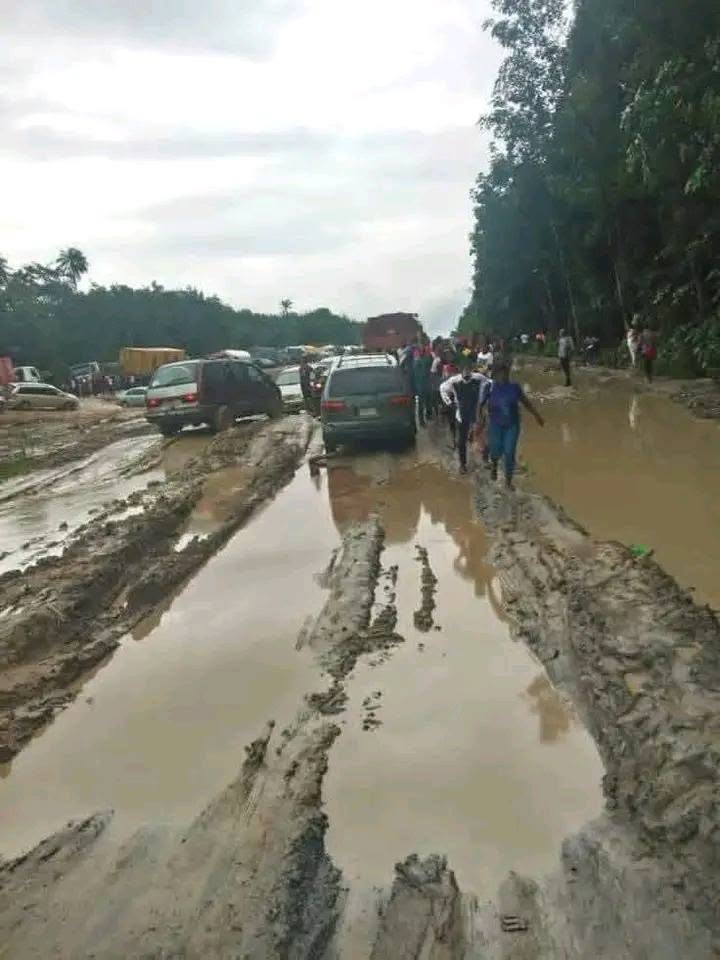
A project can be officially ongoing while communities still experience serious disruption. Good governance requires more than announcing projects. It requires transparent timelines, effective construction management, communication with affected communities, safety measures and measurable progress.
CSR Should Go Beyond Publicity
The Benin experience also offers a broader lesson for companies operating around major infrastructure corridors. Businesses often describe CSR through donations, scholarships, medical outreaches and community programmes. Those interventions can be valuable. However, responsible business also means understanding how operational activities affect communities.
For companies that depend on the Benin-Agbor corridor, prolonged traffic can disrupt supply chains, employee movement and customer access. Consequently, CSR strategies should include practical community-impact measures. These could include emergency support during severe disruptions, communication with affected communities, worker safety measures and partnerships that improve road-user safety.
Such interventions should not replace the government’s infrastructure responsibility. Rather, they can complement public action while protecting vulnerable stakeholders.
What ESG Accountability Should Look Like
The current crisis provides an opportunity to rethink how infrastructure projects are assessed. First, project managers should publish clear progress updates that road users can understand. Second, temporary traffic arrangements should prioritise safety and minimise disruption wherever possible.
Third, drainage and climate resilience should remain central to road design, especially in areas vulnerable to flooding. Fourth, affected communities should have accessible channels for reporting safety concerns.
Finally, infrastructure performance should be measured after completion. A road should not be considered a sustainability success merely because construction has ended. Its durability, safety, accessibility and environmental performance matter just as much.
The Bigger Lesson for Nigeria
The Benin-Agbor crisis is therefore bigger than a traffic jam. It shows what happens when infrastructure, governance, environmental resilience and social wellbeing intersect. Nigeria needs roads that move people and goods efficiently. More importantly, it needs infrastructure systems that are maintained, monitored and designed around the people who depend on them.
At the same time, government and project concessionaires deserve scrutiny based on evidence rather than political sentiment. The fact that reconstruction is ongoing should be acknowledged, just as the current hardship experienced by road users should not be dismissed.
Ultimately, ESG is about accountability for impact. That principle applies to companies. It applies to government. It applies to infrastructure projects too.
If a major highway can leave travellers stranded for hours or overnight, disrupt businesses and expose communities to avoidable risks, then the conversation should not end when the traffic clears. Instead, it should begin with a more important question: what will be done to ensure the next crisis does not happen?
Infrastructure is more than roads and bridges. It shapes livelihoods, businesses and communities. Follow CSR Reporters for deeper stories on the policies, decisions and corporate actions shaping Nigeria’s sustainable future.
[give_form id="20698"]