ONYINYECHI NWAIGBA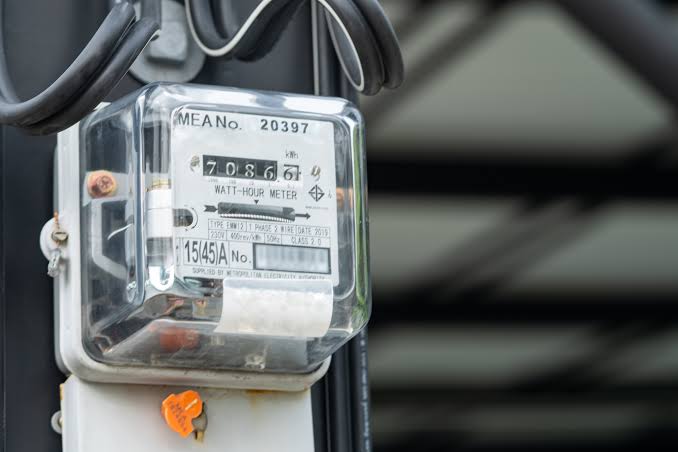
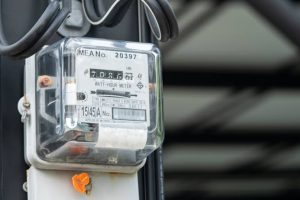
For years, some electricity customers had to do something that may have seemed unusual: pay for the meter that was supposed to help them properly measure their electricity consumption.
Now, some of those customers are finally getting that money back.
Ikeja Electric Plc has begun refunding eligible customers who previously paid for electricity meters under the Meter Asset Provider, or MAP, programme. The refund is not being paid into customers’ bank accounts. Instead, it is being returned through credits applied to their electricity vending transactions over an approved repayment period.
For customers who have been buying electricity tokens and watching the cost of power rise, the development raises an obvious question:
How exactly does the refund work, and who is eligible to receive it?
Why Did Customers Pay for Their Own Meters?
The Meter Asset Provider framework was introduced as one way of helping electricity customers get metered without waiting indefinitely for their Distribution Company to provide a meter.
Under the arrangement, approved Meter Asset Providers could procure and install meters while customers paid for them upfront. The cost was then supposed to be reimbursed by the DisCo through energy credits over a period approved by the Nigerian Electricity Regulatory Commission, or NERC.
In other words, paying for the meter was not supposed to mean customers permanently absorbed the cost.
The meter remained associated with the customer’s premises and the DisCo, while the customer was entitled to recover the approved meter cost through electricity credits.
That reimbursement process is now being implemented more broadly.
So, Is Ikeja Electric Giving Customers Cash?
This is probably the most important part for customers to understand.
The refund is being provided as energy credits, rather than a cash payment.
NERC’s amended 2026 order provides for customers who paid for MAP meters to receive reimbursement through energy credits. The Commission’s framework says the reimbursement is applied through electricity vending, with the amount representing the customer’s eligible meter cost.
So, if a customer paid for an eligible meter, the refund should effectively reduce the amount they need to spend on electricity purchases over the approved repayment period.
It is therefore better understood as a credit against future electricity purchases, rather than money being transferred directly to the customer’s bank account.
How Will Customers Know They Are Being Refunded?
Ikeja Electric says eligible customers can track their refund status online using either their meter number or account number.
The company’s refund dashboard provides information including:
- The original cost of the meter
- The number of refunds already made
- The monthly refund amount
- The total amount refunded so far
- The date of the latest refund
- The applicable refund token
Ikeja Electric also says the relevant refund token is sent to the customer’s registered phone number or email address.
That tracking system is important because a refund that customers cannot see or understand can easily become another source of frustration.
For customers, being able to see how much was originally paid, how much has been refunded and what remains should make the process easier to follow.
Why Is This Happening Now?
The development is part of a wider regulatory process.
NERC issued an amended order on the reimbursement of meter costs in March 2026. The order applies to meters procured under the Meter Asset Provider and National Mass Metering frameworks.
The Commission had also directed electricity distribution companies to clear outstanding MAP meter reimbursements over a 12-month period beginning March 1, 2026.
According to NERC’s 2026 order, the outstanding reimbursement obligation across DisCos stood at about ₦20.33 billion as of December 31, 2025.
That figure puts the Ikeja Electric development into perspective.
This is not simply one electricity company deciding to give a group of customers a discount.
It is part of a broader regulatory effort to address money that customers paid for meters under a framework that provided for reimbursement.
What Does This Mean for Customers?
For eligible customers, the immediate benefit is straightforward: part of what they previously spent on obtaining their meter should return to them in the form of electricity credit.
But there is another issue here that goes beyond the value of the refund itself.
It is about consumer trust.
Electricity customers interact with DisCos every month through bills, prepaid tokens, meters, customer complaints and service issues. When customers are asked to make payments, they need to understand what those payments are for and what happens to their money afterwards.
A transparent reimbursement process gives customers a way to see that a payment made under the MAP framework was not simply forgotten.
It also demonstrates why clear communication matters in essential services.
What If Your Refund Is Not Showing?
Customers who believe they are eligible but cannot see their refund can check their status using their meter or account number.
Ikeja Electric has advised customers with questions or concerns about their MAP refunds to use its official complaint channels or visit the nearest undertaking office.
Customers should also be careful about relying on messages or individuals claiming they can “process” the refund for a fee.
Because the reimbursement is tied to official customer and meter records, customers should use the electricity company’s recognised channels when checking their status or reporting a problem.
The Bigger Question About Metering
The refund is good news for customers who qualify, but it also brings attention back to a bigger issue in Nigeria’s electricity sector: access to reliable and properly managed metering.
A prepaid meter gives customers a clearer connection between the electricity they consume and what they pay for. It can also reduce dependence on estimated billing, although having a meter does not by itself solve all the problems customers face with electricity supply.
NERC continues to describe metering as an important part of improving transparency between customers and DisCos. Its regulations also provide mechanisms for customers to report metering-related problems to the Commission.
For the sector, the goal should therefore go beyond simply installing more meters.
Customers also need to understand how the systems work, what they are paying for, what they are entitled to receive and where they can go when something goes wrong.
A Refund Is More Than Money
For someone who paid for a meter years ago, seeing a refund appear as electricity credit may feel like a small financial relief.
But the bigger story is accountability.
Customers paid under a regulated framework with an expectation that the cost would eventually be reimbursed. Now, as Ikeja Electric begins implementing those refunds, the focus will be on whether eligible customers can actually see the credits, understand the calculations and access help when there are problems.
The success of the exercise will therefore not only be measured by how many refunds are processed.
It will also depend on how transparent, accessible and understandable the process is for the people it is meant to benefit.
Because when customers pay for an essential service, knowing where their money goes and getting what they are entitled to should not be an extra benefit. It should be part of the service itself.
[give_form id="20698"]