GLORYANN OSANG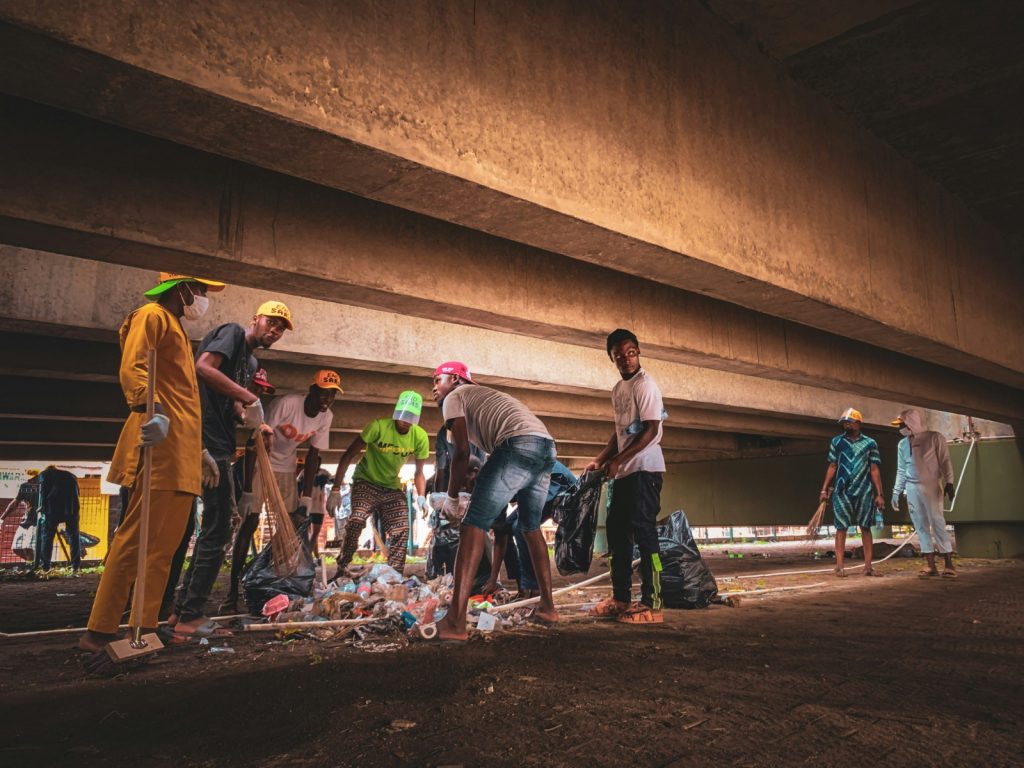
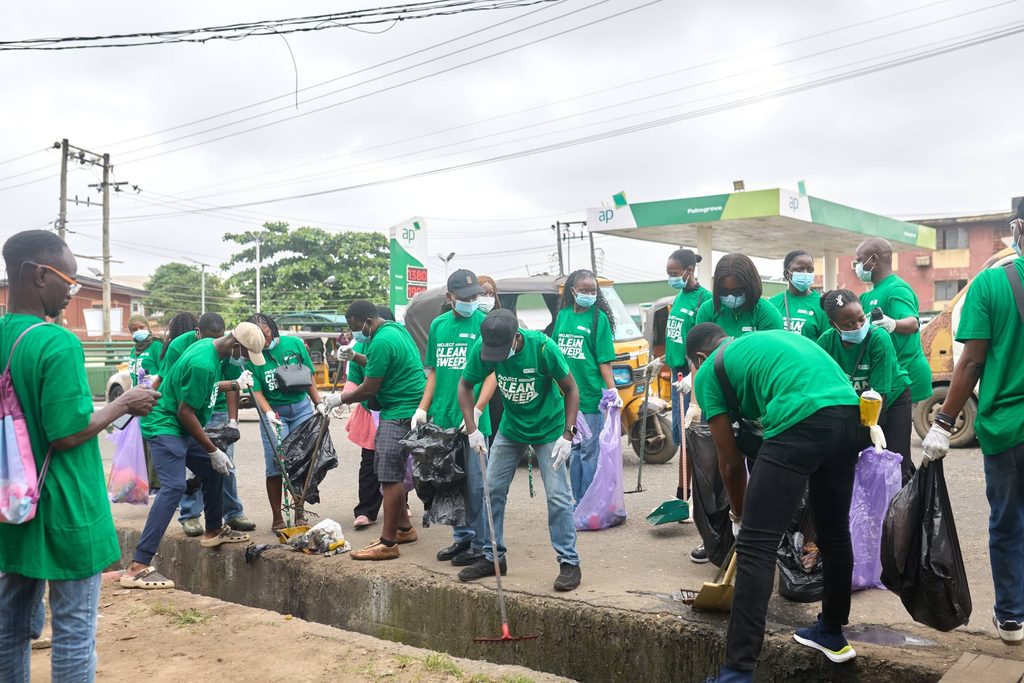
Fidson Healthcare Plc has taken its environmental sustainability efforts into Lagos communities. The campaign highlights the link between waste management, public health and community responsibility. Tagged Project Clean Sweep 2026, the initiative brought together Fidson employees, volunteers and environmental stakeholders.
The cleanup covered Obanikoro, Fadeyi, Palmgrove and Shomolu ahead of World Cleanup Day. Fidson organised the campaign with the African Cleanup Initiative (ACI), with support from the Lagos Waste Management Authority (LAWMA). Rather than focusing only on waste removal, the campaign sought to encourage residents and businesses to take greater responsibility for their surroundings.
Taking ESG Into the Community
For Fidson, the initiative forms part of its wider environmental, social and governance (ESG) commitments. The campaign also reflects the relationship between environmental conditions and human wellbeing.
The Associate Director of Business Operations at Fidson Healthcare, said the company remained committed to cleaner and healthier environments around its host communities. She also identified environmental sustainability as an important part of Fidson’s broader ESG framework.
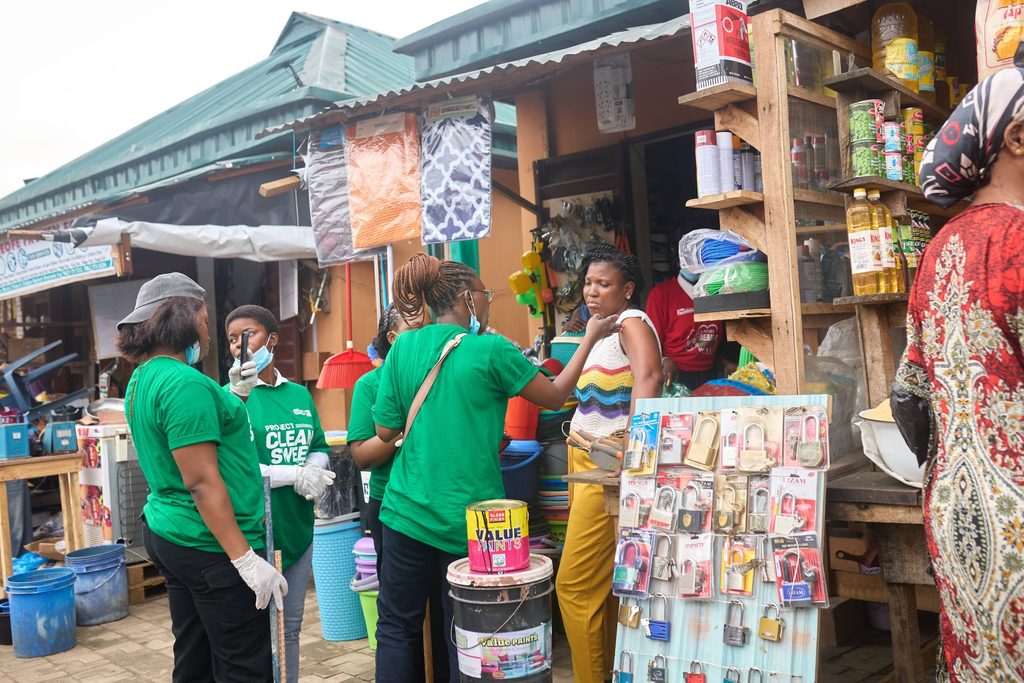
The approach places community engagement alongside corporate responsibility. Employees participated directly in the cleanup, while residents and traders were engaged during the exercise. This created an opportunity to move the conversation beyond corporate sustainability statements and into everyday waste-management practices.
However, cleanup exercises alone cannot resolve the wider challenges associated with urban waste.
Beyond Picking Up Waste
Lagos faces persistent pressure from population growth, commercial activity and the volume of waste generated across its communities. Poor waste disposal can contribute to blocked drainage channels, polluted surroundings and unsanitary conditions. Therefore, removing waste from public spaces addresses only part of the problem.
Alexander Kibe, Founder and President of the African Cleanup Initiative, said environmental campaigns should go beyond collecting waste. He said such efforts should also influence how communities understand and manage their surroundings.
A community can become visibly cleaner after a successful cleanup. However, the same area may quickly return to its previous condition without sustained behavioural change.
Reliable waste collection is also essential. So are appropriate disposal facilities, public education and consistent enforcement of environmental standards. These factors can determine whether a cleanup becomes a temporary intervention or supports lasting environmental improvement.
Connecting Environment and Healthcare
The campaign also highlights the growing connection between environmental sustainability and healthcare. For healthcare companies, community wellbeing is closely linked to the conditions in which people live and work. Poor sanitation and unmanaged waste can create unhealthy environmental conditions.
Cleaner public spaces, meanwhile, can support healthier communities. This connection gives healthcare companies an opportunity to approach ESG through a wider public-health lens.
For Fidson, Project Clean Sweep provides one example of how that connection can translate into community action. The campaign also demonstrates the potential value of partnerships.
Fidson worked with ACI and received support from LAWMA during the exercise. The collaboration brought together corporate volunteers, an environmental organisation and a public waste-management agency.
Such partnerships can connect corporate sustainability initiatives with existing community and government efforts. They can also create opportunities for shared responsibility around environmental challenges.
Read Also: Can AI Help Close Nigeria’s Maternal Healthcare Gap?
What Happens After the Cleanup?
The campaign formed part of activities around World Cleanup Day, a global movement focused on collective action against waste pollution. For the communities involved, the immediate outcome is cleaner public spaces.
The larger sustainability question concerns what happens after the cleanup teams leave. If residents and businesses continue to dispose of waste responsibly, the campaign could contribute to longer-term behavioural change.
Continued waste collection and community engagement will also be important. These measures can help preserve the improvements created by the intervention. As a result, continuity becomes an important measure of the campaign’s impact.
Corporate cleanup programmes can raise awareness and encourage people to participate. Their lasting value, however, depends on whether participation develops into sustained community ownership.
That ownership matters in Lagos, where residents, businesses, communities and public institutions all have roles in waste management. Project Clean Sweep 2026 therefore places environmental responsibility within a wider conversation about health and community behaviour. It also shows how companies can use CSR initiatives to engage directly with environmental challenges affecting the communities around them.
The campaign’s longer-term impact will depend on what follows the cleanup. Sustained public participation, responsible disposal and effective waste-management systems will determine whether cleaner surroundings become a lasting reality. For Fidson and its community partners, the next measure of success may therefore be how well the momentum from Project Clean Sweep continues beyond World Cleanup Day.
Discover more stories on the people and partnerships shaping healthier communities with CSR Reporters.
[give_form id="20698"]