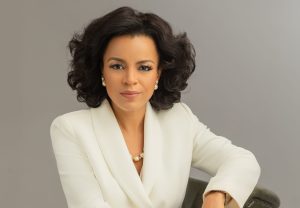
CSR Personality of the Week: Tariye Gbadegesin and the Case for Climate Finance That Delivers Outcomes
 csrreporters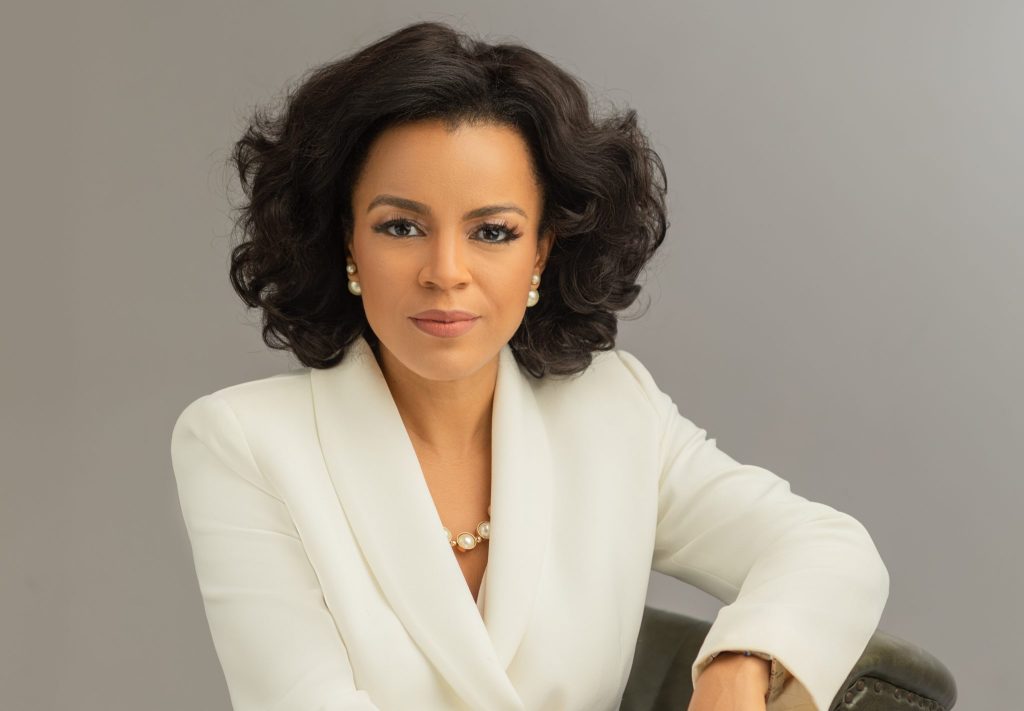
Few Nigerians hold a seat as consequential in global climate finance as Tariye Gbadegesin. As Chief Executive Officer of the Climate Investment Funds (CIF), she leads one of the world’s largest multilateral climate funds. It is described as USD 13 billion, which works across more than 70 developing countries. She is also reported to be the first African woman to hold the role. However, her influence extends well beyond running a fund.
She has become one of the most consistent voices demanding that climate finance be judged by what it delivers. That standing did not arrive suddenly. It was built over more than two decades across investment banking, infrastructure finance, and global climate policy.
A Career Built Across African Infrastructure
Gbadegesin’s professional story begins in global institutions and returns to African development. She started at PricewaterhouseCoopers in Boston, then joined the International Monetary Fund’s Western Hemisphere Department, and later did consulting work at Boston Consulting Group. She holds an economics degree from Amherst College and an MBA from Harvard Business School.
In 2007, she joined the founding team of the Africa Finance Corporation (AFC) in Lagos, helping to set up its strategy and organisation. She later served as Head of Heavy Industry and Telecoms, leading investments in power, transport, industrials, and telecommunications infrastructure. During that period, she also served on the boards of MainOne, the West African telecoms provider, and Cabeolica, a wind power company in Cape Verde.
Consequently, her later climate work rests on a practical understanding of how projects get financed, and why so many stall.
From Nigerian Infrastructure to Climate Finance
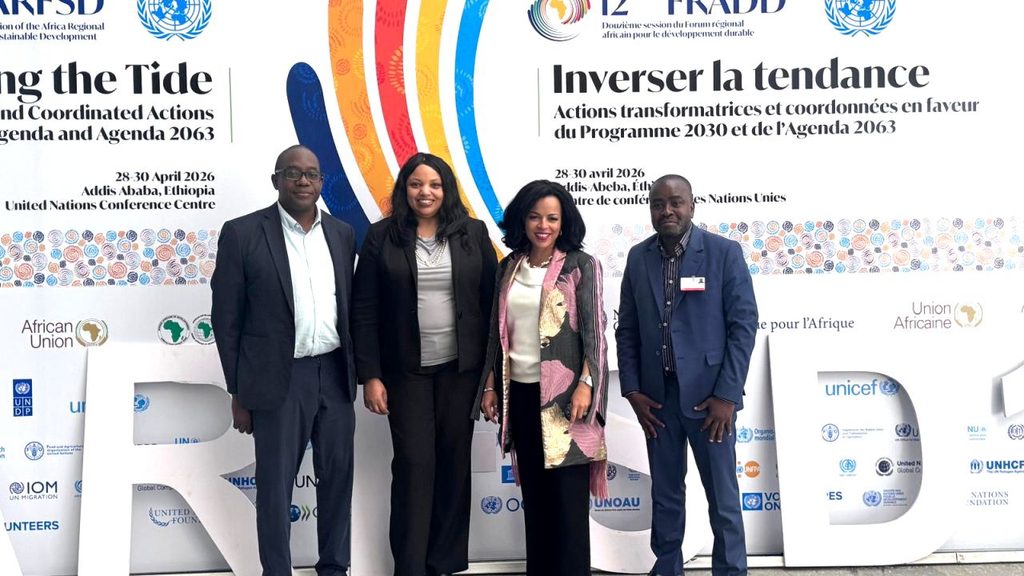
In 2020, Gbadegesin became CEO of ARM-Harith Infrastructure Investment. The fund was the first equity infrastructure fund licensed by Nigeria’s Securities and Exchange Commission under its infrastructure fund rules. Under her leadership, the firm built a pedigree in renewable energy and climate finance. It launched a distributed renewable energy aggregator for Nigeria and the AFRI Climate and Transition Fund, a multi-currency blended finance fund investing in energy transition and climate-resilient infrastructure across Africa.
At the same time, she co-chaired the Voluntary Carbon Markets Integrity Initiative from 2021, working on credibility in carbon markets.
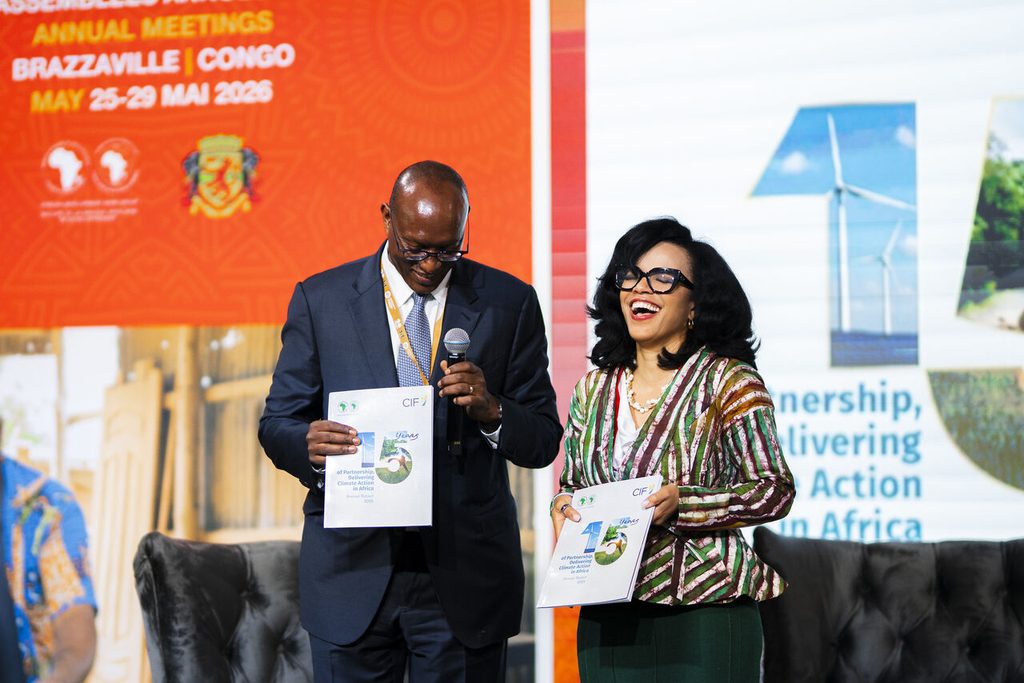
She joined CIF in March 2024. Since then, she has overseen the launch of the CIF Capital Markets Mechanism, a first-of-its-kind tool designed to better support low- and middle-income countries. CIF’s portfolio also includes an investment aimed at restoring 1.7 million hectares of forest in the Zambezi basin.
Rooted in the Niger Delta
Her priorities have a personal origin. Gbadegesin grew up in the Niger Delta, where she saw how a damaged wetland or a severe flood can strain a community, with effects reaching schools and churches. That experience has shaped her argument that resilience is an economic issue, not only an environmental one. In her words, resilience pays, and resilient roads, power systems, and livelihoods can transform whole economies.
A Week That Showed Her Priorities
Her activity during UNGA and Climate Week NYC this September illustrates the approach. On LinkedIn, she described attending three resilience events in a single day, including two high-level dialogues at UN headquarters. The message she took from all three was clear: it is time to build pipelines, test approaches, and scale what works.
CIF also hosted its own event with the Climate Policy Initiative, “From Country Demand to Investable Resilience.” It drew Rachel Kyte and Germany’s Dr. Christian Glass, alongside representatives of the Glasgow Financial Alliance for Net Zero and the Global Environment Facility.
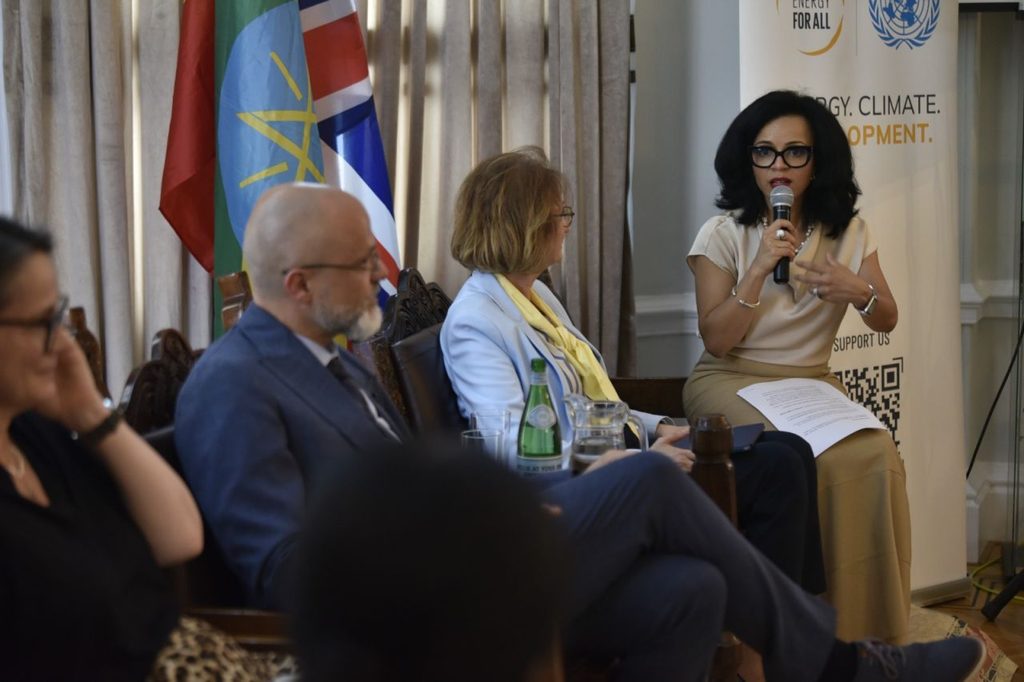
She also spoke at the launch of the UN Global Grids Accelerator and at the Global Renewables Alliance High Level Dialogue, alongside heads of state and ministers. Her point there was specific. A record 800 GW of renewable capacity was added last year, yet roughly triple that amount is stuck in grid queues worldwide. Furthermore, she argued that unlocking it requires finance for the less glamorous parts of the system, including smart, flexible grids and a clear regulatory environment.
Read Also: Nigeria’s $300m Renewable Fund Targets Underserved Communities
Outcomes Over Intentions
In a September 23 Semafor column, Gbadegesin said there is a lot of good intent in climate finance, but that the sector needs to be better at converting it into outcomes.
Her prescription is practical. Climate finance works best when coordinated with a country’s finance ministry rather than only energy or environment officials. Development funders should also help governments fix energy market regulation so private investors can enter. Additionally, she identified currency risk as the fundamental challenge, since imported hardware is often paid for in US dollars while energy is sold in local currency.
This is not a slogan. It is a working philosophy for how public money should be used to attract private capital.
Influence Beyond the Fund
Gbadegesin has also served in advisory roles across the global sustainability architecture. These include the Board of Advisors for the Glasgow Financial Alliance for Net Zero in Africa, the Principles for Responsible Investment infrastructure committee, the Millennium Challenge Corporation advisory council, the Columbia University Center on Global Energy Policy advisory board, and the UNFCCC Integrity Matters advisory group. She was also an Independent Non-Executive Director at Guinness Nigeria.
A Model for Nigeria’s Sustainability Leaders
As Nigeria’s sustainability sector matures, Tariye Gbadegesin offers an instructive model. She combines deal-level experience with policy-level influence, and she keeps asking the question that matters most: did the money change anything?
That question has particular relevance at home. Nigeria’s USD 300 million Distributed Renewable Energy Fund was commercially launched this month. Its success will be judged the way Gbadegesin says all climate finance should be, by delivered access, lower emissions, and improved livelihoods rather than by the size of the announcement.
Leaders like her are not a corporate nicety. They are a national asset and that is why she is our CSR Personality of the week.
Know a woman driving real sustainability outcomes? Send her story to news@csrreporters.com. Follow CSR Reporters for the next CSR Personality of the Week.
[give_form id="20698"]