ROSEMARY IMOBHIO
A mysterious pneumonia death in Russia is testing global preparedness and raising questions about whether countries have learned enough from COVID-19. The death of a laboratory worker in Russia has once again reminded the world how quickly an unfamiliar disease can trigger public anxiety.
On October 2, a 28-year-old worker at the Irkutsk Anti-Plague Research Institute in Siberia died after developing pneumonia of unknown origin. Because the institute studies dangerous pathogens, including plague, speculation about a possible pneumonic plague infection spread rapidly online.
However, there is currently no confirmed evidence that she died from plague. Russian authorities have reported that they quarantined and tested contacts. They have not identified any dangerous infectious pathogen among them.
The European Centre for Disease Prevention and Control has also reported no evidence of sustained human-to-human transmission. Nevertheless, the incident raises a question that extends far beyond Russia. How prepared is the world for the next serious infectious disease threat?
Preparedness Begins Before Crisis
The COVID-19 pandemic demonstrated that preparedness cannot begin after an outbreak becomes international. Instead, effective preparedness depends on surveillance systems, laboratories, trained personnel, emergency response structures, and reliable communication already being in place.
The current Russian situation illustrates why early detection matters. Authorities reportedly placed almost 200 contacts under medical observation as a precaution. This, even though the suspected diagnosis has not been confirmed. Such measures demonstrate how public-health systems can act on risk before certainty is available.
Moreover, global respiratory disease surveillance remains important. WHO’s latest respiratory virus update shows that influenza continues to circulate internationally, while SARS-CoV-2 activity remains generally low and stable across most reporting countries.
Therefore, preparedness should not be viewed as something reserved for dramatic outbreaks. It must become part of everyday health-system planning.
Transparency Is Part of Public Health
Beyond laboratories and hospitals, the Russian episode also highlights another critical component of pandemic preparedness: trust.
WHO has said it requested additional information from Russia under the International Health Regulations. Russian authorities subsequently informed the organisation that no cases of plague had been recorded in the Irkutsk region. WHO has continued seeking information about the pathogen responsible for the woman’s pneumonia.
Meanwhile, international concern has grown over the amount of information available publicly. When official information is incomplete, speculation can quickly fill the gap. During COVID-19, uncertainty, misinformation, and conflicting public messages contributed significantly to fear and confusion.
Consequently, transparent communication should be treated as part of outbreak response itself. Governments do not need to have every answer immediately. However, they need to communicate what is known, what remains unknown, and what is being done to establish the facts.
What Does This Mean for Nigeria?
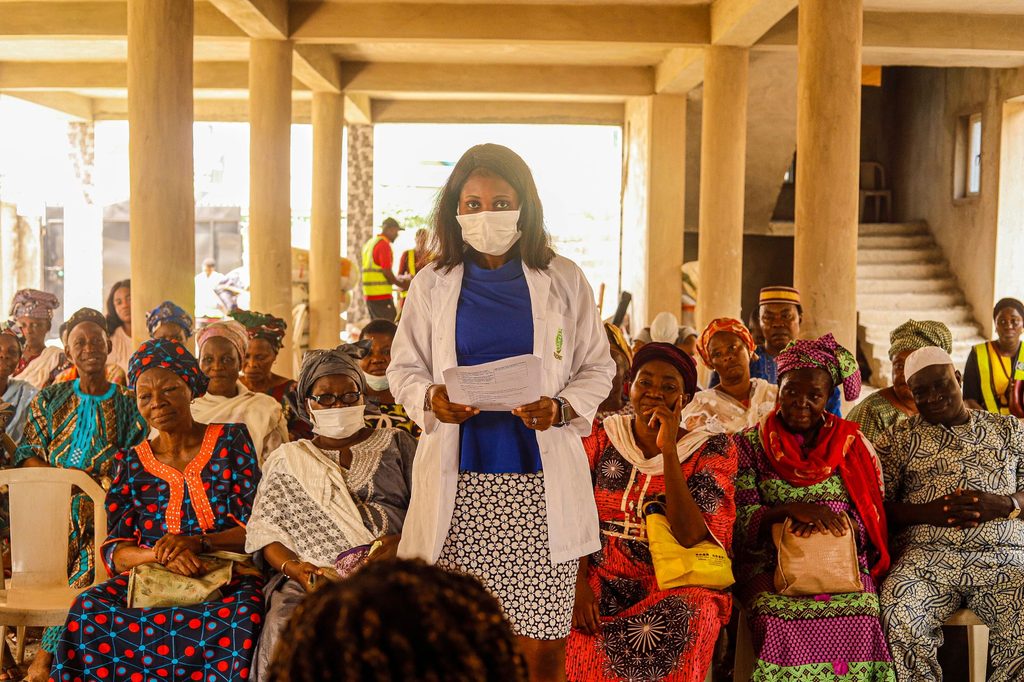
For Nigeria, the lesson is particularly relevant. The Federal Government recently reaffirmed its commitment to pandemic prevention, preparedness and response. It highlighted improvements in digital surveillance, genomic sequencing, emergency preparedness and laboratory capacity, while stating that public-health laboratories now cover all 36 states.
In addition, a €4.2 million EU-WHO programme launched in May 2026 is supporting Nigerian public-health institutions to detect outbreaks earlier, share information faster and strengthen response capacity. These developments are encouraging. However, preparedness cannot depend entirely on individual programmes or external funding.
A March 2026 report warned that declining external funding and domestic financing gaps were placing pressure on disease surveillance, laboratory services and specimen transportation in Nigeria. That creates an important sustainability question.
If disease surveillance systems require consistent financing to function effectively, then pandemic preparedness must be considered a long-term investment rather than an emergency expense.
Read Also: 20 Nigerian States Secure $27 Million in World Bank Grants for Education and Healthcare Reforms
The CSR Responsibility
This is where the conversation becomes relevant to corporate sustainability and social responsibility. Businesses operate within communities. They rely on healthy workers, functioning healthcare systems, stable supply chains and predictable economic conditions. A major outbreak can disrupt all of these simultaneously.
Therefore, companies should not see public-health preparedness as solely the government’s responsibility. Businesses can support community health initiatives and strengthen workplace infection-prevention systems. They can also invest in employee health education and participate in responsible emergency planning.
Pharmaceutical companies, technology firms, telecommunications operators, financial institutions and manufacturers can also contribute through partnerships that improve access to information, healthcare and essential services during emergencies. Furthermore, companies involved in biotechnology and laboratory research have an additional responsibility to maintain strong biosafety and biosecurity standards.
The objective is not simply to respond when something goes wrong. It is to reduce the likelihood and impact of crises before they become emergencies.
Preparedness Is the Real Test
The Russian case has not established another pandemic. It has not demonstrated sustained human-to-human transmission. International health authorities currently do not consider the situation comparable to the scale of COVID-19.
Still, dismissing every unusual outbreak report would be just as problematic as treating every mysterious illness as the beginning of a global catastrophe. The responsible approach lies somewhere between those extremes.
Countries must maintain strong surveillance. Laboratories must be properly equipped. Health workers need adequate training and protection. Governments must communicate quickly and transparently. Businesses must understand their role in protecting employees and communities.
Most importantly, these systems must remain functional even when there is no emergency dominating the headlines. The next pandemic may not begin in Russia. It may not even begin with a virus that scientists currently recognise. That is precisely why preparedness cannot wait for the next warning.
The real measure of global health security is not how quickly the world reacts to a pandemic. It is how prepared the world is before one arrives.
[give_form id="20698"]