ROSEMARY IMOBHIO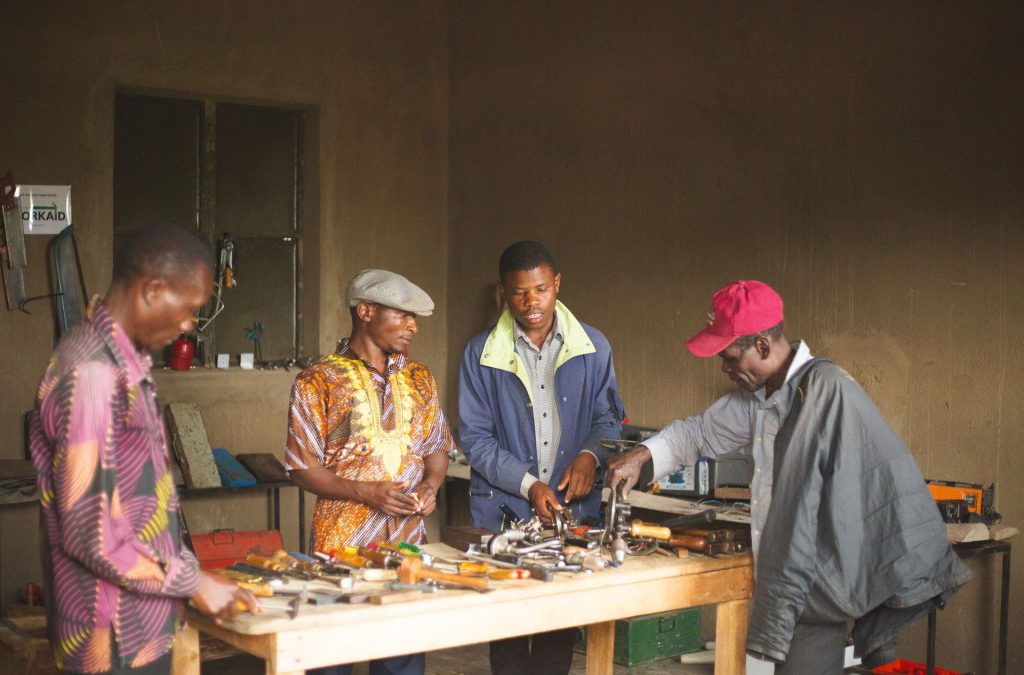
On September 30, 2026, Cameroon renewed a partnership that could change how employers, customers and the state see thousands of mechanics. The Ministry of Employment and Vocational Training (MINEFOP) and the Centre for Research and Support for Automobile Trades (CRAMA) renewed their agreement, according to MINEFOP.
The headline promise is more training. The deeper question is whether a country can give formal standing to skills learned in the workshop rather than the classroom. Also, what that would mean for livelihoods.
Skills Learned At The Workshop Door
Any driver who has watched a mechanic diagnose a faulty engine by sound knows that expertise often arrives long before a certificate. Across many African economies, young people learn a trade by working beside an experienced master, sometimes for years. That is a general observation about the sector, not a figure from the report. It still explains why one part of the agreement deserves attention.
MINEFOP says one component targets mechanics and other automotive workers who gained their skills outside formal training institutions. Through Validation of Acquired Experience sessions, which assess what a worker can already do, they can obtain formal qualifications, including DQP and CQP certificates. In effect, the worker’s existing knowledge becomes the starting point instead of something to overlook.
For a skilled mechanic without papers, the difference is practical. A certificate can be shown to an employer, a customer or a lender. Without one, competence must be proven again each time a new job or loan application arrives.
What The Agreement Says It Will Do
MINEFOP says the renewed deal moves the partnership from developing frameworks to running programmes. The first agreement, signed in 2021, produced training standards for two-wheel and light vehicles. The new phase adds work-study training, distance learning and teaching simulators, and it applies the Competency-Based Approach. That approach judges learners by what they can demonstrate, not by hours spent in a classroom.
The government also cites a principle of one standard and one diploma for each trade. This is meant to harmonise vocational qualifications nationwide. The partnership sits within the JEME youth programme and aligns with the National Development Strategy, NDS30.
Young beneficiaries are expected to access MINEFOP scholarships, internships and support to start businesses in mechanics and related activities. Follow-up committees have already been set up to oversee implementation. All of this is MINEFOP’s account of its plans, not a record of results.
What Recognition Could Change
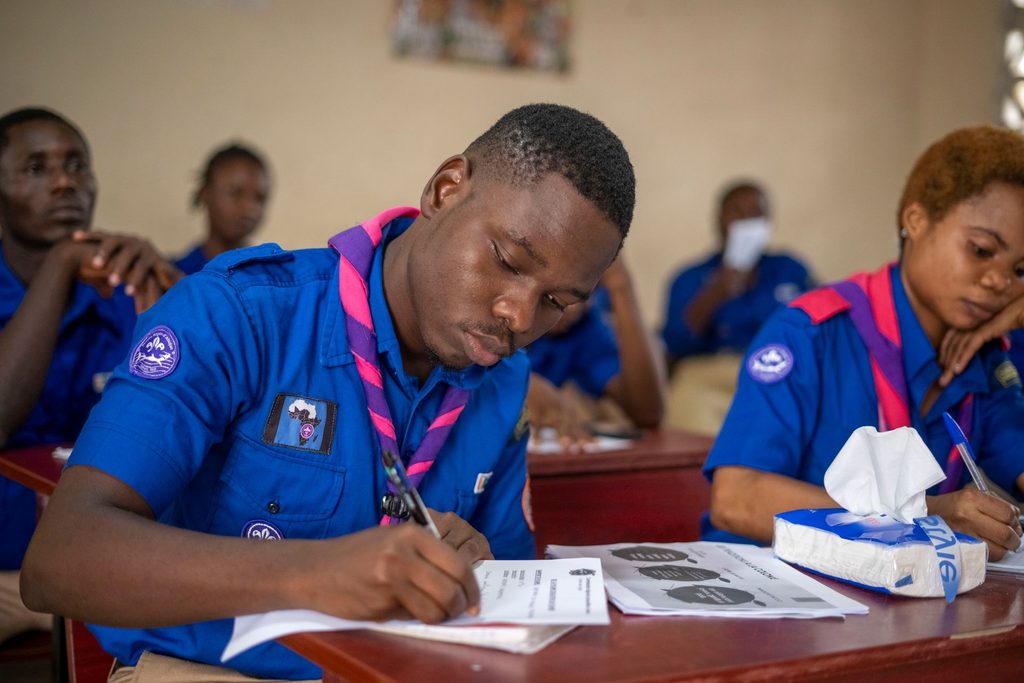
Several CSR themes sit inside this agreement, though the report does not frame it that way. The analysis in this section is ours. First, decent work. A recognised credential can strengthen a worker’s position when negotiating pay, seeking steady employment or applying for credit. Without one, even highly skilled people can remain in precarious arrangements with little bargaining power.
Second, safety and quality. Vehicles carry people and goods every day, so shared standards for repair work protect customers as well as workers. Third, enterprise. Support for young people who want to open workshops recognises that many will create jobs rather than only look for them.
Finally, inclusion. Training systems often serve those already in formal education. Validating existing experience reaches workers who built careers outside it. Nigerian readers will recognise the apprenticeship model, and Cameroon’s experience may offer lessons. A fair comparison, however, would need evidence from both systems.
Businesses have a role too. Garages, dealers and fleet operators could shape whether these certificates carry weight, for example by recognising them in hiring or by offering internships. The report does not say whether any will.
Read: FG Selects 16,000 Nigerians for Free Digital Skills Training as 72,850 Apply
The Questions The Report Leaves Open
The report gives no budget, no trainee targets, no timeline and no named employers. It also contains no results, because the implementation phase is only starting. Those gaps count, since certification helps only if the people it is meant for can reach it.
Several practical questions follow. Will assessment sessions be affordable and close enough for workers outside major cities? Will distance learning suit people with limited schooling or patchy connectivity? Above all, will the market accept DQP and CQP certificates as proof of competence? A credential creates value only when buyers of skill trust it.
Skill That Counts
Can a country formalise skill without shutting out the people who already have it? Cameroon’s approach of assessing what workers know, then building around it, is a promising starting point.
Yet the real test lies beyond signed agreements. A mechanic with twenty years of experience should be able to earn a certificate without losing income, and that paper should lead to better work, fairer pay or a workshop of their own. Measured that way, vocational reform is not only about producing more graduates. It is about whether existing skill, once recognised, becomes secure livelihood and dignity.
DON’T JUST ANNOUNCE YOUR IMPACT. PROVE IT.
CSR REPORTERS helps organisations verify, assess, document and communicate the real impact of their CSR and sustainability initiatives.
Project Verification | Beneficiary Feedback | Impact Assessment | Impact Storytelling | Stakeholder Engagement
Have an initiative worth documenting? Let us verify it. Document it. Tell the story.
Talk to CSR REPORTERS
enquiries@csrreporters.com
📞 Call/WhatsApp: 0803 401 2198 | 0903 329 6374 | 0905 024 4468 | 0803 209 8499
[give_form id="20698"]