

State Opens Bids for 300 Tractors, Fertilizer and Processed Rice to Support Agriculture
 ONYINYECHI NWAIGBA
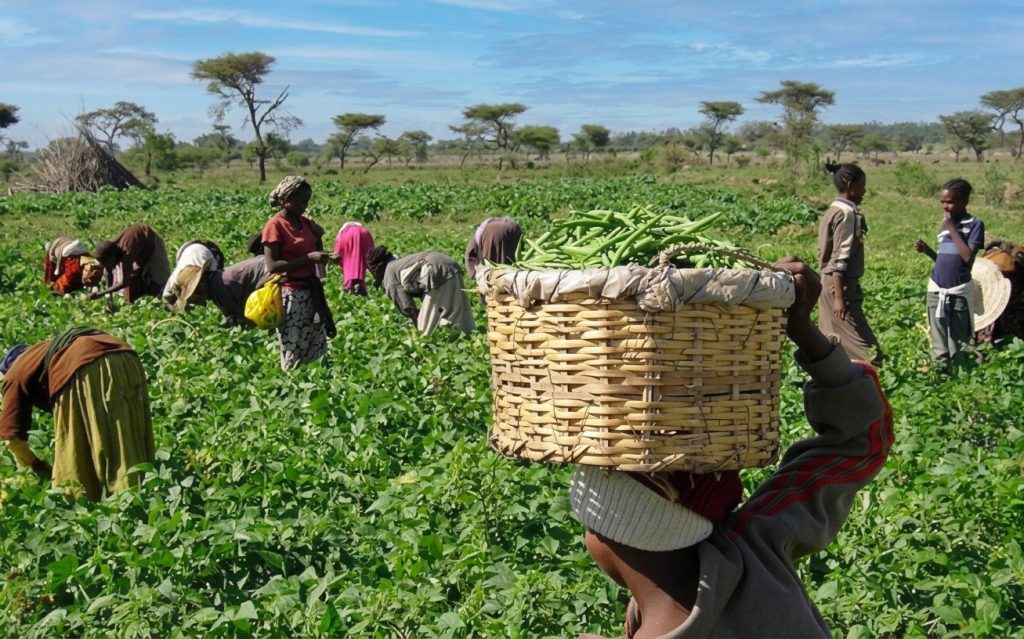
The Adamawa State Ministry of Agriculture has opened bids for the procurement of 300 tractors, NPK fertilizer and processed rice. The exercise highlights the role of public investment in agricultural production, farm mechanization and food security, while raising important questions about transparent procurement, effective distribution and value for public money.
Agricultural productivity depends on more than the availability of land and farmers willing to work it. Access to machinery, affordable farm inputs, reliable markets and effective public support can all influence how much food is produced and how much farmers earn.
In Nigeria, where farmers face challenges ranging from high production costs to limited access to modern equipment, government investment in agriculture can play an important role in strengthening food production and supporting rural livelihoods.
Adamawa State is taking another step in this direction through a procurement exercise covering 300 tractors, NPK fertilizer and processed rice.
On October 19, 2026, the Adamawa State Ministry of Agriculture opened bids for the three procurement packages. The exercise brought together ministry officials, representatives of bidding companies, civil society organisations, members of the Adamawa State Bureau for Public Procurement and the media.
According to reports on the exercise, more than 10 companies submitted bids. The submissions are to undergo technical and other required evaluations before decisions are made on the contracts. The opening of bids does not mean that the contracts have been awarded or that the items have been delivered. <Cite refs={[“turn670331search2″,”turn670331search3”]} />
The procurement covers three areas: agricultural machinery, fertilizer for farming activities and processed rice. Together, these packages raise questions about how government spending can support agricultural development and how the intended benefits can reach farmers and other people who depend on the sector.
What Is Adamawa State Procuring?
The procurement exercise is divided into three lots.
The first covers assorted NPK 20:10:10 fertilizer intended to support farming activities. The second involves the procurement of 300 tractors with 75-horsepower engines and accompanying agricultural implements. The third covers parboiled, de stoned and polished rice grains. <Cite refs={[“turn670331search0″,”turn670331search1″,”turn670331search4”]} />
Each package serves a different purpose within the wider agricultural and food system.
Tractors can help farmers prepare land and carry out other farm operations more efficiently. Fertilizer supplies nutrients that crops need for growth, while processed rice is a food product that can support food supply and distribution.
However, the impact of each package will depend on how it is implemented. Procuring tractors does not automatically mean that smallholder farmers will gain access to mechanized services. Buying fertilizer does not guarantee that it will reach farmers at affordable prices, and procuring processed rice does not, on its own, establish who will receive it or how it will be distributed.
These distinctions matter when assessing whether public investment is producing practical results.
Why Access to Tractors Matters for Farmers
Farm mechanization remains an important part of efforts to improve agricultural productivity. Preparing land, planting and carrying out other farm operations can require substantial labor and time, particularly where farmers rely mainly on manual methods.
Tractors can help reduce the time required for certain tasks and allow agricultural operations to cover larger areas within a suitable period. With the right implements and operating arrangements, mechanization can also help farmers organize production more efficiently.
For smallholder farmers, however, purchasing a tractor may be financially unrealistic. The equipment requires significant upfront investment, fuel, maintenance, repairs and trained operators. Even farmers who have enough land to benefit from mechanization may not have the resources to own the machinery themselves.
This is why the way the 300 tractors are eventually deployed will be important.
If the equipment is made accessible through affordable hiring arrangements, cooperative schemes or other practical services, farmers who cannot afford to purchase tractors may still benefit. Shared access could allow more farmers to use the machinery without each individual bearing the full cost of ownership.
The arrangement would also need to account for maintenance, fuel, operator training and the availability of spare parts. Without these provisions, tractors may spend significant periods out of service, reducing the benefits of the initial investment.
For Adamawa State, the important measure will therefore be not only how many tractors are purchased, but how effectively they are used and how many farmers can access their services.
Fertilizer Access and the Cost of Agricultural Production
Fertilizer is another important input in crop production. NPK fertilizer contains nitrogen, phosphorus and potassium, nutrients that support different aspects of plant growth and development.
The 20:10:10 formulation refers to the proportions of these nutrients in the fertilizer. Whether it is suitable for a particular crop and location depends on factors such as soil conditions, crop requirements and recommended application rates.
For farmers, the cost and availability of fertilizer can influence production decisions. When essential inputs become too expensive or difficult to obtain, some farmers may reduce the quantity they use, delay application or spend more money than planned to maintain production.
Public procurement can help governments organize the supply of agricultural inputs, but the benefits depend on how those inputs are priced and distributed.
For the fertilizer procurement in Adamawa, important questions include how much will be purchased, what the final cost will be, whether the fertilizer will be subsidized, and which farmers will qualify to receive it.
If the input is intended to reach smallholder farmers, distribution arrangements will need to be clear and accessible. Farmers should understand where to obtain it, how much they are expected to pay and what conditions apply.
There is also a need for proper guidance on fertilizer use. Applying the right product at the appropriate rate can support crop production, while unsuitable or excessive application may waste money and contribute to environmental problems.
The success of the procurement will depend on whether the fertilizer reaches its intended users at the right time and on terms they can afford.
Why the Processed Rice Procurement Also Matters
The third package covers parboiled, de stoned and polished rice grains.
Unlike the tractor and fertilizer packages, which relate directly to agricultural production, this procurement concerns a processed food product. Its significance therefore depends on the intended purpose, including who will receive the rice and how it will be used.
Processed rice can form part of food distribution or public supply arrangements. However, the available information on the bid-opening exercise does not establish the final quantity, total cost, distribution plan or intended beneficiaries for this package.
Those details will be important in determining how the procurement contributes to food security and whether it offers value for public money.
Where food is procured for public distribution, clear records of quantities purchased, quality standards, delivery schedules and recipients can help strengthen accountability. They also make it easier to assess whether the food reaches the people it is meant to support.
The rice package should therefore be evaluated on its own terms rather than assumed to have the same purpose as the farm mechanization and fertilizer initiatives.
Public Procurement and the Importance of Accountability
Agricultural investment requires public resources, making transparency and accountability essential parts of the process.
The Adamawa State Ministry of Agriculture’s bid-opening exercise was conducted in the presence of procurement officials and other stakeholders. More than 10 companies reportedly submitted bids, and the submissions are to be reviewed by the relevant technical and evaluation committee. <Cite refs={[“turn670331search2″,”turn670331search3”]} />
Opening bids publicly can help stakeholders observe the procurement process and demonstrate that submissions have been received for evaluation. However, transparency must continue beyond the opening stage.
The next steps include evaluating the submissions against the applicable requirements, determining which bids meet the necessary standards and making contract decisions in accordance with procurement rules.
After contracts are awarded, accountability also requires attention to delivery. The tractors must meet the agreed specifications, the fertilizer must meet the required quality standards, and the rice must satisfy the relevant procurement requirements.
Delivery schedules, inspection procedures and records of payments can help establish whether suppliers meet their obligations. Clear information about contract values and implementation progress would also allow the public to better understand how funds are being used.
The Permanent Secretary and Chairperson of the Ministry’s Tender Board, Heidi E. Sunday, reportedly warned prospective successful contractors against poor performance, unnecessary delays and breaches of contractual obligations. She emphasized the importance of quality and timely delivery. <Cite refs={[“turn670331search2″,”turn670331search3”]} />
Such expectations are important because the value of public procurement depends on what the government ultimately receives, not simply on whether a purchasing process has been completed.
Will Smallholder Farmers Benefit?
Smallholder farmers are an important part of Nigeria’s agricultural economy, but access to machinery and other inputs does not always translate into equal opportunities for everyone.
The impact of Adamawa’s procurement will depend partly on how the tractors and fertilizer are made available. If access is limited to a small number of larger operators, the benefits may not reach the wider farming population.
The state will therefore need to establish clear arrangements for access and distribution. For tractors, this could include practical hiring services or other systems that allow farmers to use the equipment without having to purchase it. For fertilizer, eligibility requirements, pricing and distribution locations should be communicated clearly.
Timing will matter as well. Agricultural inputs are most useful when they arrive in line with farmers’ production schedules. Delays can reduce their usefulness and force farmers to make alternative arrangements, sometimes at higher cost.
The state will also need to consider the challenges of operating machinery across different locations, including road access, maintenance services and the availability of trained operators.
These practical issues can determine whether a procurement programme becomes a useful service for farmers or remains an investment whose potential is not fully realized.
How Should the State Measure Success?
The number of tractors procured, the quantity of fertilizer supplied and the amount of rice delivered are important implementation measures. But they do not tell the whole story.
To understand the programme’s wider impact, Adamawa State would need to monitor what happens after the procurement process is completed.
For the tractors, relevant measures could include the number delivered and operational, the locations where they are deployed, how frequently farmers use them and the cost of accessing their services.
For fertilizer, useful measures could include the quantity distributed, the number and types of farmers reached, the price paid by beneficiaries and whether supplies arrived in time for the intended farming activities.
For the rice package, the state would need to clarify the intended beneficiaries and assess whether the products were delivered in the required quantities, quality and time frame.
Over time, agricultural outcomes could also be examined, including changes in the area cultivated, production costs, crop yields and farmers’ earnings. These results are influenced by many factors beyond government procurement, so any assessment should consider weather conditions, market prices and other relevant circumstances.
Publishing clear implementation updates would help residents and agricultural stakeholders understand what was purchased, what was delivered and what benefits were achieved.
It would also help the government identify gaps and make improvements to future agricultural programmes.
What Adamawa’s Procurement Means for Agricultural Development
Adamawa’s procurement exercise reflects an investment approach that combines farm machinery, agricultural inputs and processed food procurement. Each package has a different role, but all require effective planning and implementation to deliver their intended value.
Tractors could help improve access to mechanized farming services. Fertilizer could support crop production if it reaches farmers at the right time and at affordable prices. The rice procurement could support food supply, depending on its intended use and distribution arrangements.
However, none of these outcomes should be treated as guaranteed simply because bids have been opened.
The next stages of the process will determine which suppliers are selected, what contracts are awarded, when the items are delivered and how the government makes use of them.
For farmers and residents, the most important question is whether this public investment produces practical improvements in agricultural operations, food access and livelihoods.
For the government, the responsibility is to ensure that the procurement is competitive, the purchased items meet the required standards and the benefits can be demonstrated through clear implementation records.
Ultimately, agricultural investment is most meaningful when it moves beyond spending and procurement to deliver results that people can see and use. Adamawa’s planned purchases provide an opportunity to strengthen farming support, but their contribution to productivity and food security will depend on effective delivery, fair access and sustained accountability.
DON’T JUST ANNOUNCE YOUR IMPACT. PROVE IT.
CSR REPORTERS helps organisations verify, assess, document and communicate the real impact of their CSR and sustainability initiatives.
Project Verification | Beneficiary Feedback | Impact Assessment | Impact Storytelling | Stakeholder Engagement
Have an initiative worth documenting? Let us verify it. Document it. Tell the story.
Talk to CSR REPORTERS
enquiries@csrreporters.com
📞 Call/WhatsApp: 0803 401 2198 | 0903 329 6374 | 0905 024 4468 | 0803 209 8499
www.csrreporters.com