

 ONYINYECHI NWAIGBA

At least 70 per cent of the financing will target cocoa and dairy value chains, with the aim of expanding local processing, improving access to long-term finance for agribusinesses and farmers, and supporting more sustainable agricultural production. The impact will depend on how the funding is deployed and whether businesses across the value chains can access the support they need.
Nigeria’s agricultural sector has significant opportunities to create jobs, support rural livelihoods and generate more income from locally produced commodities. However, farmers and agricultural businesses continue to face challenges that can limit their ability to expand production, invest in equipment and process more of their products locally.
Access to finance is one of these challenges. Farmers may need money to improve production, while cooperatives and processing businesses require capital to purchase raw materials, upgrade equipment, manage operating costs and reach new markets. When suitable financing is difficult to obtain, businesses may struggle to grow beyond small-scale operations.
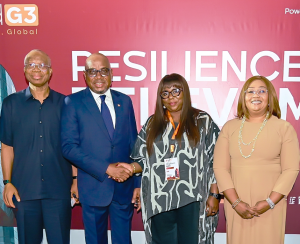
A new financing agreement involving First City Monument Bank (FCMB) and the European Investment Bank Group’s international development arm, EIB Global, aims to address some of these challenges.
Announced on October 14, 2026, the €85 million facility will support private-sector businesses across Nigeria’s agricultural value chains, with at least 70 per cent of the financing directed towards cocoa and dairy. The initiative is intended to strengthen local processing, improve access to funding for agricultural businesses and support more sustainable practices across the sector.
The agreement comes as Nigeria continues to explore ways to increase the value generated from its agricultural resources. Rather than depending primarily on the sale of raw commodities, expanding local processing could create opportunities for manufacturing, packaging, distribution and other businesses connected to agriculture.
However, the announcement of a financing facility is only the beginning. Its broader economic and social benefits will depend on how the funding is made available, which businesses can access it and what results emerge from its deployment.
What the €85 Million Financing Facility Means
The agreement creates a financing channel through which EIB Global will support agricultural businesses via FCMB. At least 70 per cent of the facility is earmarked for the combined cocoa and dairy value chains. The public announcement does not specify the exact allocation between the two sectors.
This distinction is important because the facility is not a grant programme offering free money to farmers. It is financing intended to support eligible private-sector companies, with FCMB serving as the intermediary through which the funds will reach businesses.
The arrangement is designed to improve access to longer-term capital for companies operating across the agricultural value chain. Depending on the eventual lending arrangements, such financing could help businesses make investments that may be difficult to fund through short-term borrowing alone.
For example, a cocoa processor may need to purchase machinery to increase production capacity, while an agricultural cooperative may need working capital to buy cocoa beans from farmers. A dairy business may require investment in milk collection, storage, processing or distribution.
These activities involve different financial needs, but all can influence the ability of agricultural businesses to grow.
The financing agreement also includes technical assistance to support FCMB’s climate action strategy and strengthen the Nigerian agricultural sector’s capacity to manage environmental and social risks. This means the initiative is intended to address not only access to capital but also the sustainability considerations associated with agricultural investment. <Cite refs={[“turn886879search0″,”turn886879search2”]} />
Nevertheless, details such as interest rates, collateral requirements, individual loan sizes, eligibility criteria and application timelines have not been fully set out in the public announcement. Businesses should therefore wait for FCMB’s specific financing guidelines before assuming they qualify or estimating the cost of borrowing.
Why Nigeria’s Cocoa Sector Needs More Local Processing
Cocoa is an important agricultural commodity for Nigeria, providing income for farmers and opportunities for traders, cooperatives, processors and exporters.
However, the value generated from cocoa depends partly on what happens after the beans are harvested. Selling raw cocoa beans provides income from the agricultural commodity, while processing can create additional products and business opportunities.
Cocoa can be processed into products such as cocoa butter, cocoa powder and cocoa liquor, which serve food manufacturers and other industries. Developing local processing capacity could allow more stages of production to take place within Nigeria, creating opportunities for businesses involved in manufacturing, packaging, storage and logistics.
This does not mean raw cocoa exports are without value. Exporting agricultural commodities can generate foreign exchange and provide markets for farmers. The opportunity lies in strengthening the domestic industry so that Nigerian businesses can participate in more stages of the value chain.
The EIB Global–FCMB facility is intended to support industrial processing capacity across the cocoa value chain, alongside liquidity support for cocoa cooperatives and farmers and improvements in product traceability.
Liquidity is particularly important for agricultural businesses because they often need to pay for raw materials before receiving payment from their own customers. Access to suitable working capital could help cooperatives purchase cocoa from farmers and help processors maintain operations during periods when cash flow is tight.
However, the extent to which farmers benefit will depend on how the financing reaches them. Support for a processing company, for example, does not automatically mean that farmers will receive higher prices or more reliable payments. Those outcomes will depend on purchasing arrangements, market conditions and the terms on which businesses work with their suppliers.
What the Financing Could Mean for Nigeria’s Dairy Industry
The dairy sector faces a different set of challenges.
Producing and processing milk requires a coordinated system involving dairy farmers, collection points, storage facilities, transporters, processors and retailers. Milk is perishable, making timely collection, suitable storage and efficient transportation particularly important.
Businesses that want to expand local dairy production may need investment in cooling equipment, collection centres, processing facilities, packaging and distribution networks. Without these supporting systems, increasing milk production alone may not be enough to build a reliable domestic supply chain.
EIB Global has said the financing is intended to address gaps in the dairy sector and support increased milk supply for businesses operating in Nigeria. The agreement represents the institution’s first investment covering the dairy sector outside the European Union.
For Nigerian dairy businesses, access to longer-term finance could create opportunities to invest in the infrastructure required to collect, handle and process more milk locally.
Such investment could also create demand for services linked to the dairy industry, including livestock support, transportation, equipment maintenance, packaging and distribution.
The potential benefits for farmers will depend on whether local producers can participate in these supply chains. Dairy farmers need reliable buyers, fair purchasing arrangements and the support required to maintain milk quality and production.
Financing that expands processing capacity without strengthening the supply of locally produced milk may not deliver the same benefits for rural producers. The connection between investment in processing and opportunities for farmers will therefore be an important measure of the programme’s success.
Can the Financing Create Jobs and Support Rural Livelihoods?
Agriculture supports livelihoods across Nigeria, but its economic contribution extends beyond farming itself.
When agricultural businesses expand, they can create demand for workers and services at different stages of the value chain. A processing facility, for example, may require workers to operate machinery, manage inventory, package products and handle quality control. It may also purchase raw materials from farmers and cooperatives and use transport companies to move products to customers.
Similarly, investment in dairy collection and processing could create opportunities for farmers, milk collectors, drivers, technicians and distribution businesses.
The €85 million facility could support some of these activities if the financing enables eligible businesses to invest and expand. However, the announcement does not provide a confirmed number of jobs expected to be created or evidence that additional employment has already occurred.
It would therefore be premature to present job creation or increased farmer income as achieved outcomes.
To assess the real impact, it will be important to track the number and types of businesses financed, the scale of their investments, the farmers and suppliers they work with and any resulting changes in employment or business activity.
The distribution of the financing will matter as well. If smaller agricultural businesses and cooperatives can access suitable funding, the benefits could extend more widely across rural communities. If access is concentrated among a limited number of larger companies, the wider reach may be more restricted.
The conditions attached to the financing, including eligibility requirements and lending costs, will help determine which businesses are able to participate.
Why Sustainability and Traceability Matter
The agreement also places emphasis on environmental and social standards, climate action and product traceability.
Traceability refers to the ability to track a product through the stages of its supply chain. In cocoa production, this can help businesses establish where cocoa beans originated and document the processes involved in sourcing and handling them.
This is becoming increasingly important for businesses serving markets with stricter requirements concerning deforestation and the environmental impact of agricultural production.
The European Union’s Regulation on Deforestation-free Products establishes requirements for certain commodities and products placed on or exported from the EU market, including cocoa and several cocoa-derived products. Businesses covered by the rules must meet the applicable requirements, including those relating to the origin of commodities and deforestation due diligence.
For Nigerian cocoa producers, cooperatives, processors and exporters connected to these markets, reliable traceability systems can help them prepare for relevant market requirements.
However, compliance can involve costs. Businesses may need to improve record-keeping, collect location information, strengthen supplier documentation and invest in systems that allow products to be traced through the supply chain.
Smaller farmers and cooperatives may need technical support to meet these requirements. Without appropriate assistance, sustainability rules can become an additional barrier for businesses with limited resources.
The financing facility’s stated emphasis on traceability and environmental and social risk management is therefore relevant to the long-term competitiveness of Nigeria’s agricultural sector. The effectiveness of this support will depend on how the requirements are implemented and whether smaller participants can access the guidance and resources they need.
What Businesses Need to Know Before Seeking Financing
Although the €85 million facility has been announced, the public details do not yet provide a complete application guide for interested businesses.
Companies should not assume that the full amount will be distributed directly to farmers or that the financing will be available as grants. The facility is intended to support private-sector agricultural businesses through FCMB, and access will depend on the lending arrangements and eligibility criteria established for the programme.
Businesses interested in the opportunity should monitor FCMB’s official announcements for information on eligible sectors, application procedures, loan amounts, interest rates, collateral requirements, repayment periods and any additional conditions.
They should also prepare to demonstrate their business activities, financing needs and plans for using borrowed funds. Depending on the eventual requirements, this may involve financial records, business documentation, information about suppliers and customers, and evidence of the proposed investment.
For agricultural businesses, it may also be useful to identify how the proposed investment could improve production, strengthen local processing, support farmers or meet relevant environmental and social standards.
These are practical preparation steps rather than a confirmed list of official application requirements.
Clear information about access to the facility will be important because businesses cannot make informed borrowing decisions without understanding the cost, conditions and expected obligations attached to the financing.
How Should the Impact Be Measured?
The size of the financing facility is significant, but the amount announced is not enough to determine whether it will produce lasting economic benefits.
A meaningful assessment should distinguish between funds committed, funds approved for individual borrowers and funds actually disbursed. It should also examine what the businesses receiving financing achieve after the money is deployed.
For the cocoa sector, useful measures could include investment in processing capacity, the number of businesses supported, the participation of cooperatives and farmers, and changes in the volume of cocoa processed locally.
For dairy, relevant measures could include investment in milk collection and storage, the number of local producers connected to buyers, improvements in processing capacity and the volume of locally sourced milk handled by supported businesses.
Across both sectors, employment, business growth, access for smaller enterprises and compliance with relevant environmental and social standards could provide further evidence of impact.
The financing partners could also report how much support reaches smaller businesses and cooperatives, rather than focusing only on the total amount distributed.
These measures would help establish whether the facility is contributing to the stated goals of stronger agricultural value chains, improved access to finance and more sustainable business activity.
Without such information, it will be difficult to determine how broadly the benefits are shared or whether the financing is producing the intended changes.
What the Agreement Means for Nigeria’s Agricultural Future
The partnership between FCMB and EIB Global creates a financing opportunity for Nigerian businesses operating across agricultural value chains, with a particular focus on cocoa and dairy.
By supporting local processing, working capital and environmental and social risk management, the facility could help businesses invest in activities that strengthen domestic agricultural production and create opportunities beyond the farm.
For cocoa, the opportunity includes expanding local processing and improving the ability of farmers and cooperatives to supply businesses. For dairy, it includes strengthening the infrastructure and business relationships required to improve local milk supply and processing.
However, the success of the facility will depend on practical questions that remain to be answered: which businesses can access the financing, what terms will apply, how much funding will reach each value chain and what results will be achieved.
For farmers and small agribusinesses, the most important outcome will be whether the financing creates realistic opportunities to grow their businesses and participate in stronger supply chains.
For Nigeria, the broader opportunity is to ensure that agricultural investment supports not only commodity production but also local processing, employment, rural livelihoods and responsible business practices.
Ultimately, the €85 million agreement establishes a potential source of financing, not proof of increased production, higher farmer incomes or new jobs. Those benefits will need to be demonstrated through effective implementation, accessible lending arrangements and transparent reporting on results.
DON’T JUST ANNOUNCE YOUR IMPACT. PROVE IT.
CSR REPORTERS helps organisations verify, assess, document and communicate the real impact of their CSR and sustainability initiatives.
Project Verification | Beneficiary Feedback | Impact Assessment | Impact Storytelling | Stakeholder Engagement
Have an initiative worth documenting? Let us verify it. Document it. Tell the story.
Talk to CSR REPORTERS
enquiries@csrreporters.com
📞 Call/WhatsApp: 0803 401 2198 | 0903 329 6374 | 0905 024 4468 | 0803 209 8499
www.csrreporters.com