CSR Personality of the Week: Dr Eugene Itua and the Case for Nature That Pays Africa’s People
 csrreporters

At the Africa Climate Summit in 2025, Dr Eugene Itua stood before a panel of conservation finance leaders and challenged a familiar assumption. Financing nature, he argued, is not a burden on public budgets. It is “our single greatest economic opportunity.” He also attached a figure: $1.4 trillion a year, an estimate AGESI places on Africa’s natural capital.
That confidence rests on years of practice. Dr Eugene O. Itua is CEO of Natural Eco Capital and Executive Director of the African Green Economy and Sustainability Institute (AGESI). Consequently, he has become a recognisable voice on a question many leaders now face. How can Africa earn from its natural wealth while protecting its people and ecosystems?
A Career Built Around Natural Capital
Itua holds a PhD in environmental management and works as a sustainability and safeguards specialist. Natural Eco Capital, which he leads, is a Lagos sustainability firm incorporated in 2016. Its work spans low-carbon transition, sustainable finance, natural capital accounting and circular economy.
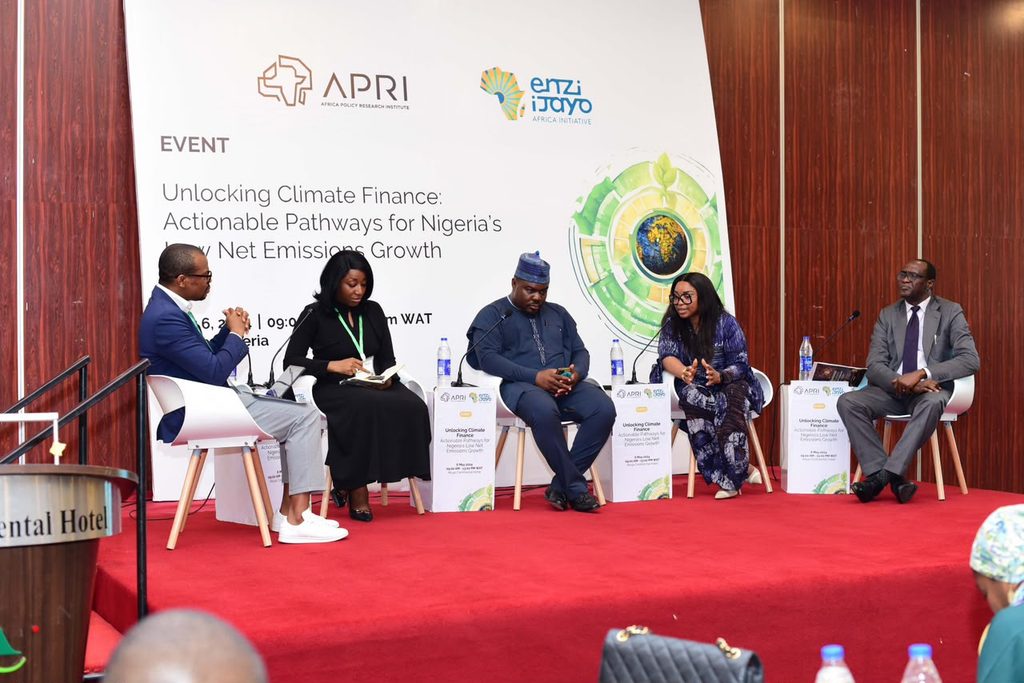
His reach extends beyond consulting. In 2022, the firm launched climate investment tools developed for the African Development Bank at Africa Climate Week in Libreville. He also facilitates the Nigerian Economic Summit Group’s Sustainability Policy Commission. In addition, he sits on the board of trustees of the Nigerian Network of NGOs.
Helping Shape Nigeria’s Climate Playbook
Itua is named National Project Coordinator for Nigeria’s Long-Term Low Emissions Development Strategy. The strategy supports the country’s net-zero goal for 2060. At COP28, he said at least 34 Nigerian experts contributed to it. That detail reflects his approach, because he presents national strategy as collective work.
The same applies to the Climate Change Act 2021. He co-led the technical team who helped revise the bill. The Act itself carries real weight. It created the National Council on Climate Change and introduced carbon budgeting. It also set up a Climate Change Fund and applies to public and private entities.
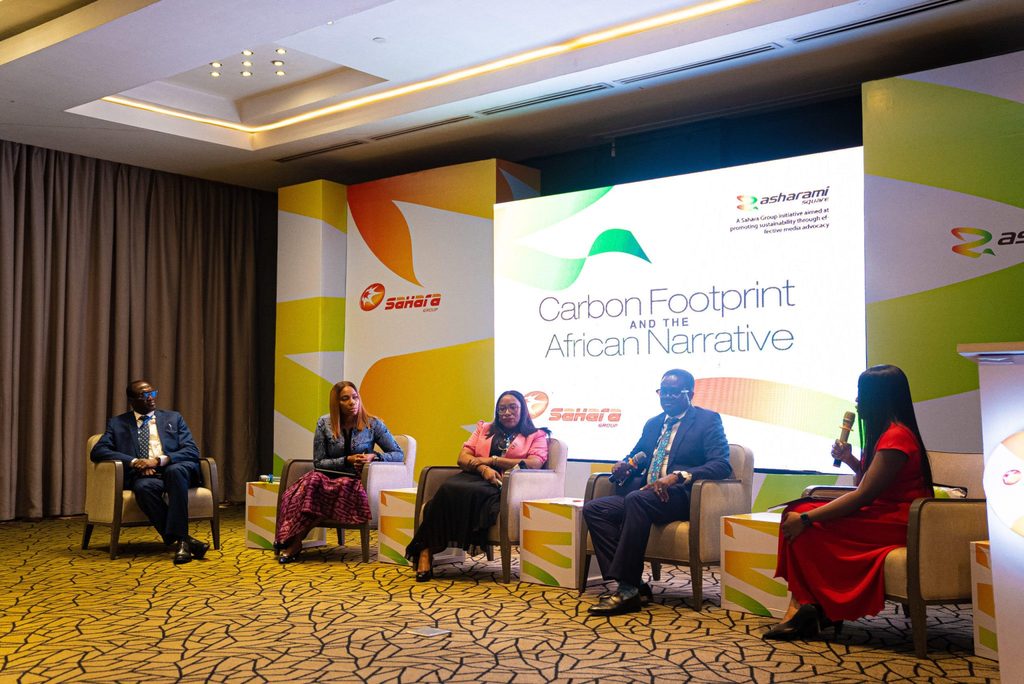
Therefore, businesses now plan for compliance, and agencies must build climate targets into their work. Itua has repeatedly urged full implementation, including at a Sahara Group waste-to-wealth event.
Making Nature Count
Natural capital accounting sounds technical. In practice, it means counting forests, wetlands and water as assets, much like a company counts buildings. Once nature appears on the books, its loss stops looking free.
Itua says his toughest task is persuading business leaders, especially in finance, to build natural capital into strategy. He also says he prepared a National Natural Capital Action Plan and baseline study for Globe International.
Circular economy follows a similar logic. It treats waste as raw material. For example, his firm has promoted plastic recycling projects designed to create green jobs. Together, these ideas show how protecting the environment can also create income.
Carbon Markets With Communities at the Table
A carbon credit represents one tonne of emissions avoided or removed. Forests, mangroves and farmland can generate them, and companies buy them to offset pollution. Land that communities have used for generations therefore carries new financial value.
Nigeria approved its carbon market framework in October 2025. It plans a National Carbon Registry and requires approved verifiers. It also promises benefit-sharing and grievance mechanisms for communities. Officials project annual revenues of up to $2.5 billion by 2030.
Itua has followed this conversation closely. He featured in discussions on a national registry and carbon exchange at the Madrid climate talks.
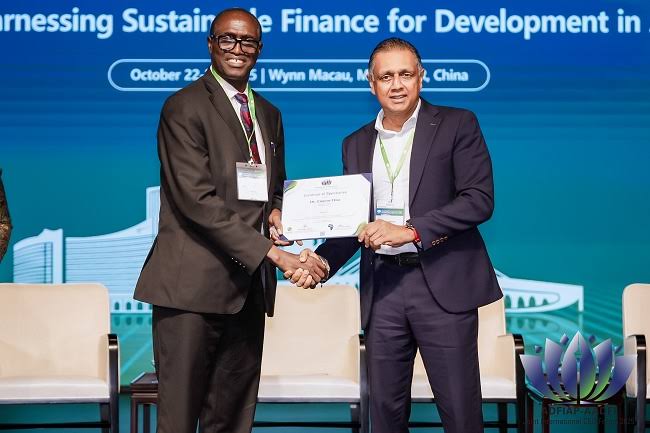
His own formula is clear. At an investment forum in Macau, he said credible green markets need three foundations: legal and policy certainty, natural capital valuation and auditable governance. For CSR teams, that formula has practical meaning. Companies buying credits can publish community agreements and confirm consent. They can also track local jobs and income as carefully as tonnes of carbon.
Nigeria Carbon Market: Which Industries Gain First?
Building an African Think-and-Do Tank
AGESI debuted at the second Africa Climate Summit, where Itua introduced its Green Opportunity Index. The institute describes it as a guide for investors and policymakers. It also benchmarks how ready African governments are to receive capital. AGESI calls itself a “do tank”, and the label fits its focus on tools over speeches.
The $1.4 trillion figure is an institutional estimate, not revenue. Still, the index responds to a real gap. Investors want comparable data, and African countries want a hand in producing it.
Local ownership runs through Itua’s messaging. “We do not import models,” he has said of AGESI’s approach. The institute has also met UNDP leaders about a partnership. Meanwhile, it has agreed to collaborate with Nigeria’s environmental regulator, NESREA, on voluntary compliance.
Why He Is Our Personality of the Week
Plenty of experts talk about Africa’s green opportunity. Fewer connect it to law, finance, data and community benefit in one body of work. Itua does, and he does so across a consultancy, a policy institute and national working groups.
His three pillars also double as a useful test for Nigeria. Do laws give investors and communities certainty? Does nature appear on balance sheets? Can anyone audit who earns what? As the carbon registry and benefit-sharing rules take shape, those questions will decide whether green finance reaches farmers, fishers and forest communities.
Dr Eugene Itua’s work does not settle Africa’s sustainability questions. However, it does keep the right ones in front of decision makers. That is why he is this week’s CSR Personality of the Week.
Stay with CSR Reporters for more insightful stories on sustainability, corporate responsibility and development.
[give_form id="20698"]