ONYINYECHI NWAIGBA
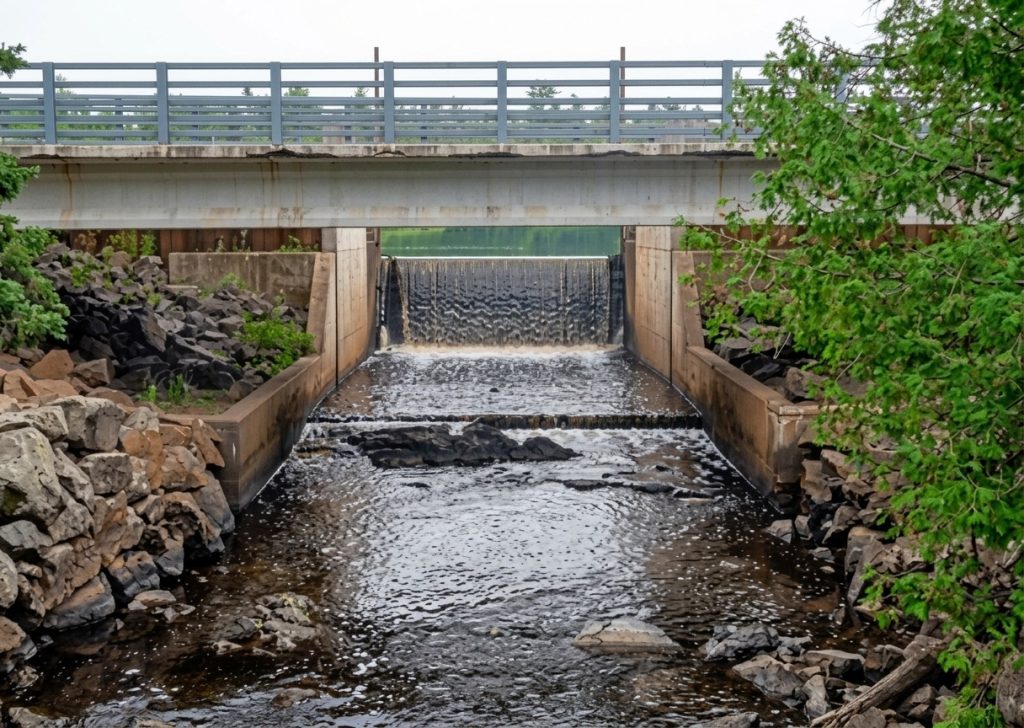
Kano State plans to expand irrigated agriculture by 2,000 acres through the construction of 11 mini dams across the state. The initiative could support year-round farming, improve food production and create rural employment, but its long-term impact will depend on farmers’ access to water, equipment, financing and reliable markets.
For farmers who depend largely on rainfall, the timing and reliability of the rainy season can determine how much they produce, how much they earn and whether they can sustain their livelihoods.
When rainfall is inadequate or unpredictable, agricultural production becomes more difficult. Farmers may experience reduced yields, delayed planting seasons and losses that affect household income and food availability.
Access to irrigation can help reduce some of these challenges by allowing farmers to cultivate land beyond the traditional rainy season and manage water supply more effectively.
This is part of what the Kano State Government hopes to achieve through its plan to develop 11 mini dams and irrigation schemes across 11 local government areas, with an expected additional 2,000 acres of irrigable farmland.
The Commissioner for Agriculture and Natural Resources, Dr Danjuma Mahmoud, disclosed the plans on November 3, 2026, while presenting an update on the ministry’s agricultural interventions.
The projects form part of a wider agricultural development agenda aimed at increasing food production, improving farmers’ productivity, creating employment and reducing rural poverty.
According to the commissioner, compensation payments have been made in at least six locations, while contractors have commenced work at some sites.
Although the initiative presents an opportunity to strengthen agricultural production, the real test will be whether the infrastructure is completed, maintained and made accessible to farmers who need it.
Why Irrigation Matters for Nigeria’s Food Security
Agriculture remains an important source of employment and livelihood for millions of Nigerians. However, much of the country’s farming activity still depends on rainfall, leaving production vulnerable to changing weather conditions.
For farmers without reliable access to irrigation, the farming calendar is largely determined by when rains begin and end. This can restrict the number of growing seasons and make it difficult to maintain consistent production throughout the year.
Irrigation offers an alternative by providing farmers with a more controlled source of water for their crops.
With functional irrigation infrastructure, farmers can potentially cultivate during dry periods, increase cropping frequency and make better use of available farmland.
This can also improve food availability by reducing the concentration of production within a single rainy season.
For Kano, a state with significant agricultural activity, expanding irrigation could strengthen the production of crops such as rice, vegetables, wheat and other food commodities.
The benefits could extend beyond farmers themselves. Increased agricultural production can create additional demand for processing, storage, transportation, packaging and distribution services.
These activities provide opportunities for businesses and workers across the agricultural value chain.
However, irrigation does not automatically guarantee higher agricultural output. Farmers still need appropriate seeds, fertilisers, equipment, technical knowledge and access to buyers. Without these supporting conditions, newly irrigated farmland may not reach its full productive potential.
Kano’s Wider Investment in Irrigation Infrastructure
The proposed 11 mini dams are part of a broader effort by the Kano State Government to recover damaged irrigation facilities and expand access to agricultural water resources.
According to Mahmoud, the government has already recovered more than 1,200 acres of farmland through the rehabilitation of existing irrigation infrastructure.
The work involved clearing irrigation channels and repairing damaged canals at locations including Jermambaka, the Kadawa Farmers’ Centre and Bunkure A and B.
Another 200 acres were reportedly recovered through collaboration with the Federal Government and the African Development Bank-supported Agricultural Transformation Agenda Support Programme (ATASP).
These interventions demonstrate the importance of maintaining existing agricultural infrastructure alongside developing new projects.
In some cases, rehabilitating an existing irrigation system may return farmland to productive use without requiring an entirely new facility.
The government has also secured approval for 11 additional mini dams and irrigation schemes. When completed, these projects are expected to provide approximately 2,000 additional acres of irrigable farmland.
The commissioner said compensation had been paid in at least six locations, with contractors already mobilizing to some sites.
This means the proposed capacity has not yet been fully delivered. The actual benefit will depend on project completion, the development of functional irrigation channels and the availability of water throughout the farming seasons.
The Donsushiya Dam: Another Major Irrigation Investment
Alongside the 11 smaller schemes, Kano is implementing a separate major irrigation project at Donsushiya.
The project involves the construction of a dam approximately two kilometers long, with an estimated water storage capacity of three billion liters.
Upon completion, the facility is expected to provide irrigation infrastructure for approximately 500 hectares of farmland, equivalent to about 1,235 acres.
The commissioner reported that construction had reached approximately 40% completion, while a 14-kilometre access road constructed to facilitate the movement of heavy equipment to the project site had been completed.
The irrigation channels are also being expanded beyond their original scope to accommodate more farmland.
The Donsushiya project is particularly significant because it demonstrates how large-scale water infrastructure can complement smaller community-level irrigation schemes.
However, the project will need effective water management, distribution channels and maintenance arrangements to ensure that the expected farmland can benefit from the facility.
The government will also need to establish how water access will be organized among farmers and what arrangements will prevent disputes or unequal distribution during periods of limited water availability.
What Irrigation Could Mean for Smallholder Farmers
Smallholder farmers are particularly important to Nigeria’s food production, but many operate with limited resources and are exposed to weather-related risks.
Expanding irrigation infrastructure could give these farmers more control over production and create opportunities to cultivate crops outside the rainy season.
For example, vegetable farmers may be able to produce more consistently when water is available, while rice farmers could benefit from more dependable irrigation arrangements.
Consistent production can also make it easier for farmers to plan their activities, negotiate with buyers and participate in more organized agricultural supply chains.
However, access to irrigation infrastructure must be affordable and inclusive.
Farmers may still need to pay for water distribution, pumping equipment, fuel, electricity or maintenance, depending on the design of the schemes.
If these costs become too high, smaller farmers may struggle to benefit even when irrigation infrastructure is available.
Women farmers should also be considered in the allocation process. They participate in different parts of the agricultural value chain but may face additional barriers involving land ownership, financing and access to farming equipment.
The government therefore needs clear arrangements for determining who can use the irrigation facilities, how access will be allocated and whether disadvantaged farming groups will receive adequate consideration.
Agricultural Equipment Could Help Farmers Make Better Use of the Infrastructure
Water access is only one part of agricultural productivity. Farmers also need appropriate equipment to prepare land, plant crops, harvest produce and process their output.
During the briefing, the commissioner disclosed that the state had acquired modern agricultural equipment, including tractors, combine harvesters, threshers, solar-powered irrigation pumps, planters and transplanters.
The equipment is expected to be distributed free of charge to registered and credible farmers’ cooperatives.
The government is also working with development partners to provide small and medium-sized rice mills for registered cooperatives. According to the commissioner, smaller mills would particularly benefit women, while larger facilities would serve major producers.
These interventions could complement the irrigation projects by reducing the physical and financial pressures associated with farming.
For smallholder farmers, access to mechanization can help improve the efficiency of land preparation and harvesting while reducing dependence on manual labor.
Rice-processing facilities could also help farmers and cooperatives add value to their produce instead of relying exclusively on the sale of unprocessed agricultural commodities.
However, equipment distribution requires careful management.
Tractors, harvesters and irrigation pumps need trained operators, maintenance services, spare parts and clear ownership or usage arrangements.
The selection of cooperatives must also be transparent to ensure that equipment is used productively and does not become concentrated among a few individuals.
Climate Resilience and the Future of Farming
The expansion of irrigation infrastructure also has implications for climate resilience.
Changing rainfall patterns, prolonged dry periods and extreme weather events can affect agricultural production and increase uncertainty for farming households.
Although irrigation cannot eliminate all climate-related agricultural risks, it can provide an additional layer of protection by helping farmers manage water availability more effectively.
When combined with weather information, suitable crop varieties, soil management and efficient water-use practices, irrigation can strengthen farmers’ ability to adapt to changing conditions.
However, poorly managed irrigation can create its own environmental challenges.
Excessive water withdrawal, inadequate drainage and inefficient irrigation methods can contribute to soil degradation, water logging and other problems.
The long-term sustainability of the mini dams will therefore depend on responsible water management and regular monitoring of the surrounding environment.
The government will need to consider how water resources are shared among agricultural users and how the facilities will be maintained during periods of changing rainfall and water availability.
Investing in climate-resilient agriculture should mean building systems that remain productive without placing unnecessary pressure on the natural resources communities depend on.
Can the Projects Create Jobs and Reduce Rural Poverty?
The Kano State Government expects the irrigation interventions to support employment, improve household income and reduce rural-to-urban migration.
These are important development objectives because limited economic opportunities in rural communities can encourage young people to move to cities in search of work.
Functional irrigation systems could help create opportunities in farming, harvesting, processing, equipment operation, storage and agricultural transportation.
More reliable production may also encourage private businesses to invest in rural areas, particularly in food processing, agricultural input supply and logistics.
However, the expected employment benefits will depend on the scale of farming activities supported and the extent to which local residents can participate.
The government should therefore track the number of farmers using the facilities, the number of additional farming seasons enabled, changes in agricultural output and the jobs created across the value chain.
It should also examine whether participating farmers experience improvements in income and whether young people and women gain meaningful access to the opportunities generated.
These indicators would provide a clearer picture of whether irrigation investment is translating into stronger rural economies.
What Must Happen for the Investment to Deliver?
The announcement of 11 mini dams is an important development, but infrastructure projects must move beyond approvals and construction activities to become functional systems that serve communities.
First, the government needs to communicate clear project timelines and provide regular updates on construction progress.
Second, farmers must be involved in planning how the facilities will operate, including arrangements for water allocation, maintenance and operating costs.
Third, irrigation infrastructure should be supported by access to agricultural inputs, financing, extension services and markets.
Fourth, the government must establish transparent processes for allocating equipment and access to the irrigation facilities, ensuring that smallholder farmers and other underserved groups are not excluded.
Finally, environmental safeguards must be incorporated into project design and management to protect water resources and surrounding farmland.
These steps will help determine whether the dams become productive agricultural assets or simply additional infrastructure awaiting effective utilization.
Beyond Building Dams: Delivering Lasting Agricultural Impact
Kano’s plan to develop 11 mini dams and expand irrigated agriculture by 2,000 acres presents an opportunity to improve food production, strengthen rural livelihoods and reduce some of the risks associated with rain-dependent farming.
Together with the rehabilitation of existing irrigation facilities and the larger Donsushiya project, the state’s interventions reflect a broader effort to strengthen agricultural infrastructure and modernize farming.
But the real measure of success will not be the number of dams approved or the acreage announced.
It will be whether farmers can access reliable water, cultivate more consistently, increase their output and earn better incomes from their work.
The government must also demonstrate that these investments are benefiting communities, supporting local businesses and strengthening the wider agricultural value chain.
For Nigeria, expanding agricultural productivity requires more than distributing farming inputs or encouraging farmers to cultivate more land. It requires building the infrastructure and support systems that allow agriculture to remain productive throughout the year.
Ultimately, the success of Kano’s irrigation expansion will depend on whether the proposed infrastructure becomes a dependable resource for farmers and a lasting investment in the state’s food security and rural development.
[give_form id="20698"]