
Can Formalising Small-Scale Miners Make African Gold Mining More Responsible? Ghana Is Putting It to the Test
 ROSEMARY IMOBHIO
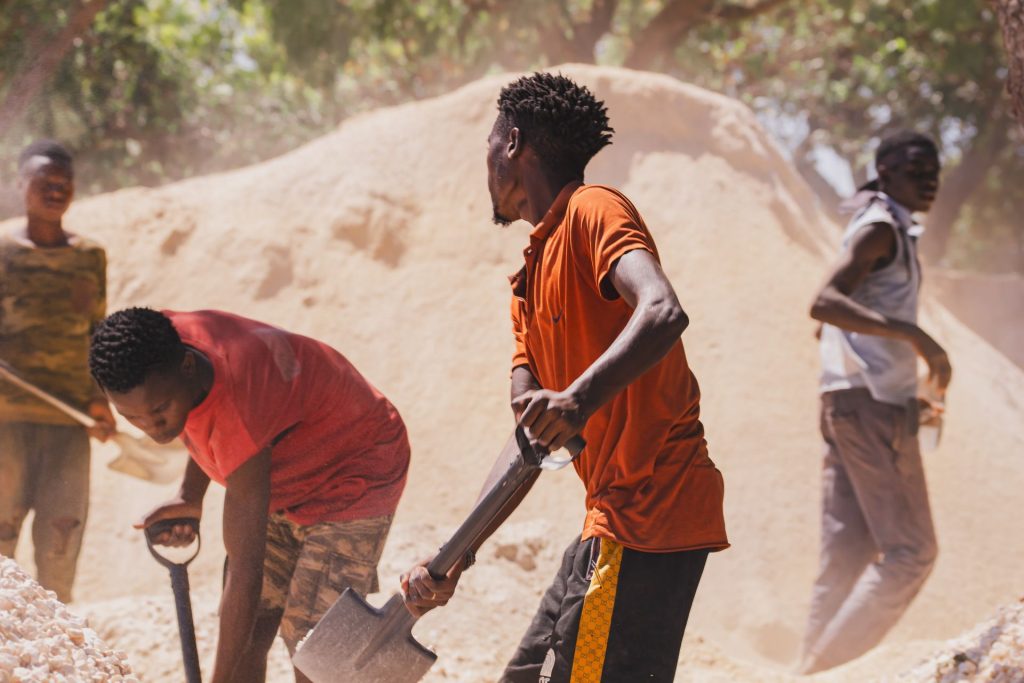
Ghana is attempting to address one of the most difficult challenges in its gold industry: how to bring small-scale miners into the formal economy without allowing gold production to deepen environmental destruction. The government is advancing a programme that combines mining formalisation with financial support, technical training and improved technology. However, its success will depend on whether regulation can translate into measurable changes on the ground.
On October 29, 2026, the Ghana Gold Board (GoldBod) announced that it had begun stakeholder consultations on a proposed Artisanal and Small-Scale Mining (ASM) Formalisation and Financing Support Programme. Scheduled for implementation in 2027, the initiative aims to create a more organised mining sector, improve productivity and reduce environmental degradation.
The announcement addresses a longstanding contradiction in Ghana’s gold industry. Small-scale mining provides livelihoods and contributes to national gold production. However, informal and poorly regulated operations have also contributed to polluted water bodies, degraded agricultural land and pressure on surrounding ecosystems.
Consequently, Ghana’s intervention raises a question for resource-dependent African economies: can governments make small-scale mining economically viable while demanding greater environmental responsibility?
Moving Miners Into the Formal Economy
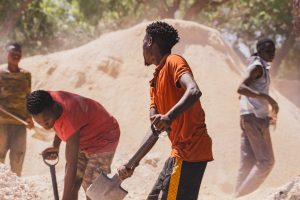
For years, Ghana has struggled to contain illegal small-scale mining, popularly known as galamsey. Government enforcement operations have targeted unauthorised mining activities. Nevertheless, illegal operations have continued in several communities.
The problem extends beyond the absence of mining licences. It involves inadequate monitoring, weak compliance, limited access to appropriate equipment and the economic pressures that sustain informal mining. GoldBod’s proposed intervention seeks to address some of these challenges by creating a pathway for eligible operators to enter the regulated mining sector.
The programme will establish a structured framework for formalising artisanal and small-scale mining operations. It also intends to provide financial support to improve their organisation and productivity.
GoldBod is developing the initiative with the Ministry of Lands and Natural Resources. It’s also working with the University of Mines and Technology, with technical support from South Africa’s Rand Refinery.
Additionally, consultations involve mining and gold-trading associations, including the Ghana National Association of Small-Scale Miners, Concerned Small-Scale Miners, Hard Rock and Underground Miners, and the Ghana National Association of Gold Traders.
However, the programme remains under development. It requires further policy and legislative consideration, including Cabinet and parliamentary processes, before implementation.
Eleven Cooperatives Provide an Early Starting Point
While the proposed financing programme is expected to begin in 2027, Ghana has already taken steps towards organising small-scale mining operators.
On October 26, the Ministry of Lands and Natural Resources disclosed that 11 small-scale mining cooperatives had been formalised. The government is targeting approximately 40 cooperatives by the end of 2026 or early 2027.
The development forms part of Ghana’s Responsible Cooperative Mining and Skills Development Programme (rCOMSDEP), launched in August 2025. Under this approach, miners are encouraged to organise into cooperatives, improve their technical capacity and adopt more responsible mining methods.
President John Dramani Mahama disclosed at the October 19 Mining in Motion Summit that the 11 cooperatives had received training in improved mining methods and operations. He also stated that GoldBod was financing the use of technologies intended to prevent environmental destruction. The government is also seeking greater community participation in efforts to discourage illegal mining.
By organising miners into cooperatives, Ghana hopes to make regulation, training and monitoring more manageable. However, the number of cooperatives established will not, on its own, demonstrate environmental progress. Their compliance records, operating practices and effects on surrounding communities will provide a clearer assessment.
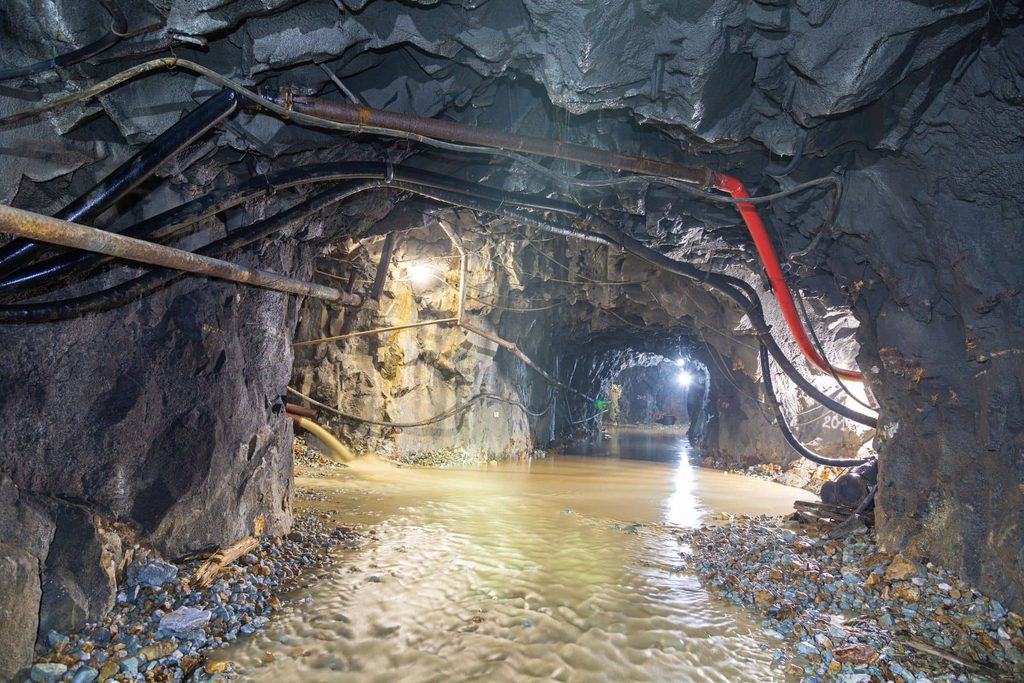
The Environmental Cost of Gold Mining and Production
The environmental consequences of poorly regulated mining remain a major concern in Ghana. Illegal mining has been associated with the destruction of vegetation, degradation of agricultural land and pollution of rivers and other water bodies. Poorly managed mining waste and the use of hazardous chemicals can also expose surrounding communities to serious risks.
These consequences extend beyond mining locations. Contaminated water threatens households, agriculture, fishing and the ecosystems on which communities depend.
For farming communities, the loss of productive land and clean water can undermine livelihoods long after mining activities have stopped. Governments and taxpayers may also face the cost of restoring damaged landscapes.
GoldBod says its proposed programme will promote modern technology, improve gold recovery and reduce operational costs and environmental degradation. Better equipment and technical knowledge could help miners improve extraction practices while reducing unnecessary damage. However, technology alone cannot guarantee responsible mining.
Operators must comply with environmental regulations, manage mining waste and avoid prohibited locations. Regulators must also have the resources to inspect operations and impose penalties when miners violate established standards. Without consistent oversight, formalisation could increase the number of recognised operators without reducing the environmental damage associated with their activities.
Read Also: UN Backs Six Countries to Build Mineral Industries
Financing Must Come With Accountability
A significant feature of Ghana’s proposed programme is its intention to connect formalisation with access to financing. Many small-scale miners lack the resources to acquire suitable equipment, improve safety or adopt more efficient extraction methods. Consequently, some struggle to meet the technical and operational requirements associated with responsible mining.
Access to financing could help address these limitations. It could also encourage more operators to enter the formal economy if compliance offers tangible economic benefits. However, the government must establish transparent eligibility criteria and clear conditions for accessing support.
Financial assistance should be linked to environmental assessments, licensing requirements and regular monitoring. Beneficiaries should demonstrate improvements in waste management, site rehabilitation and occupational safety.
Public reporting on programme beneficiaries and outcomes would also strengthen accountability. Government support must not become an indirect subsidy for environmentally harmful mining operations.
Connecting Ghanaian Gold to Responsible Supply Chains
Ghana’s reforms also have implications for its position in the international gold market. The formalisation of small-scale mining is connected to mineral traceability, responsible sourcing and the movement of gold through recognised supply chains.
In July 2026, the World Gold Council and the Ghanaian government announced a strategic partnership to advance responsible artisanal and small-scale gold mining. The partnership covers policy development, capacity building, supply chain traceability and origin verification. The World Gold Council also committed an initial $250,000 development grant to support cooperative registration under rCOMSDEP.
For international buyers and refiners, establishing where gold originates and how it is produced is increasingly relevant to responsible sourcing. Bringing small-scale miners into traceable supply chains could improve the integrity of Ghana’s gold trade while creating better market opportunities for local operators.
Nevertheless, registration and transaction records cannot independently establish that mining activities are environmentally responsible. Independent verification and effective regulatory oversight must support the process.
Lessons for Other African Mining Economies
Ghana’s intervention offers a relevant policy conversation for other African countries with significant artisanal and small-scale mining activities. Nigeria, for instance, continues to explore ways of strengthening its solid minerals sector, attracting investment and improving the regulation of mining operations.
Across the continent, informal mining provides employment and income for communities. Yet, weak oversight can expose workers, surrounding populations and ecosystems to considerable risks. Governments must therefore create opportunities for economic participation without compromising environmental protection or public safety.
Ghana’s approach suggests that formalisation, cooperative structures, technical training and financing can work together as part of a broader intervention. However, these measures require credible institutions, transparent licensing procedures and consistent enforcement. Mining communities must also participate in the process. Policies that overlook local economic realities may struggle to achieve lasting compliance.
For African policymakers, the challenge is to make legal mining economically attractive while ensuring that environmental obligations are enforceable.
Measuring Success Beyond Registration
Ghana’s proposed Formalisation and Financing Support Programme presents an opportunity to address structural problems in its small-scale mining industry. It recognises that enforcement cannot operate independently of economic inclusion, technical support and access to appropriate financing.
However, the programme’s credibility will depend on its implementation. Will participating miners adopt safer and less destructive methods? Or will regulators monitor their activities consistently? Will financing reach eligible operators under transparent conditions?
Communities will also need to see improvements in water quality, land restoration and livelihood security. Ghana’s gold industry can contribute to employment, national revenue and local enterprise. Yet, those benefits cannot be considered sustainable if communities continue to bear the environmental costs of extraction.
Ultimately, formalisation must deliver more than legal recognition. It must create a system in which economic opportunity goes hand in hand with responsible production and accountability.
As other African countries consider similar reforms, Ghana’s experience will offer a useful reference point. The real measure of success will not be the number of miners registered, but the improvements in livelihoods, environmental protection and responsible mineral production that follow.
| DON’T JUST ANNOUNCE YOUR IMPACT. PROVE IT. CSR REPORTERS helps organisations verify, assess, document and communicate the real impact of their CSR and sustainability initiatives. Project Verification | Beneficiary Feedback | Impact Assessment | Impact Storytelling | Stakeholder Engagement Have an initiative worth documenting? Let us verify it. Document it. Tell the story. Talk to CSR REPORTERS enquiries@csrreporters.com 📞 Call/WhatsApp: 0803 401 2198 | 0903 329 6374 | 0905 024 4468 | 0803 209 8499 www.csrreporters.com |