Africa’s $500 Billion Fashion Ambition: Can the Industry Turn Creativity into Jobs and Wealth
 ONYINYECHI NWAIGBA
Nigeria is backing a continental ambition to grow Africa’s fashion economy from an estimated $30 billion to $500 billion, with the potential to create millions of jobs, particularly for women and young people. But achieving this target will require more than celebrating African designs. It will depend on investment in local manufacturing, access to finance, intellectual property protection, skills development and stronger access to international markets.
Africa’s fashion industry has never lacked creativity. From traditional textile production and intricate craftsmanship to contemporary designs gaining recognition internationally, the continent has built a distinct fashion identity that continues to attract attention.
Across Nigeria, Ghana, Senegal, Kenya, South Africa and other African countries, designers, tailors, textile producers, artisans and fashion entrepreneurs are building businesses around local creativity and cultural heritage.
Yet behind the visibility of African fashion is a much bigger economic question: how much of the value generated by the industry’s creativity, materials and craftsmanship actually remains within the continent?
The Federal Government of Nigeria is backing efforts to address this challenge through a continental initiative seeking to grow Africa’s fashion economy from an estimated $30 billion to $500 billion.
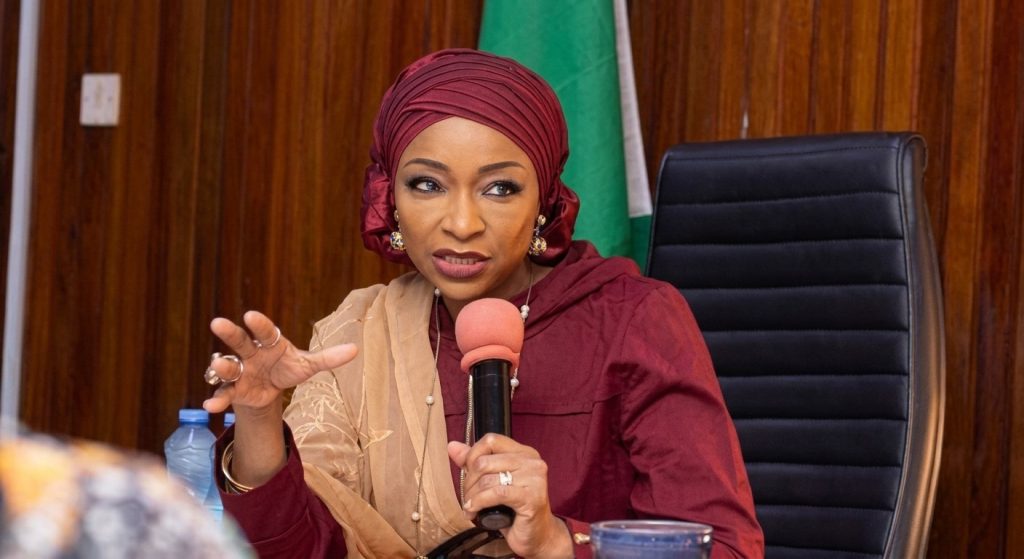
The Minister of Art, Culture, Tourism and the Creative Economy, Hannatu Musawa, has called on African governments to support the ambition, highlighting the sector’s potential to generate millions of jobs, particularly for women and young people.
Her comments were contained in a statement issued ahead of the unveiling of a fashion industry growth roadmap by the Confederation of African Fashion (CAFA) at the Creative Africa Nexus Weekend 2026 in Lagos.
Scheduled for November 5, the unveiling is intended to outline a framework for strengthening the commercial structures supporting African fashion, including sourcing, production, trade, investment and intellectual property protection.
The initiative, known as Afroliganza, seeks to position African fashion as a more organised and commercially competitive industry, rather than one recognized mainly for its creativity and cultural influence.
For the continent, the opportunity is significant. But turning a $500 billion ambition into measurable economic growth will require addressing the structural challenges that have limited the industry’s ability to scale.
Africa Has the Creative Talent, But Does It Have the Industrial Capacity?
One of the most important distinctions in the fashion business is the difference between creating a product and building an industry capable of producing it at scale.
Africa has designers who create clothing for local and international markets, artisans with specialized skills, and communities with long histories of textile production.
However, the wider fashion value chain involves much more than design and garment production.
It begins with raw materials such as cotton, moves through processing, spinning, weaving, dyeing and textile manufacturing, and continues through garment production, packaging, distribution, retail and exports.
Every stage creates opportunities for businesses and workers.
When these activities take place within the same economy or across connected African markets, more value can remain within the continent.
The challenge is that many parts of this production chain remain underdeveloped. Some fashion businesses depend on imported fabrics, equipment and other materials, while local manufacturers face constraints involving electricity, financing, production costs and access to industrial facilities.
As a result, Africa can produce internationally recognized fashion designs without necessarily capturing the full manufacturing and commercial value associated with them.
CAFA President, Professor Lai Labode, says the initiative is intended to strengthen sourcing, production, trade and intellectual property policies so African businesses and communities retain greater economic value from their creative output.
This is a critical part of the proposed transformation. The ambition is not simply to sell more African-designed clothing but to strengthen the systems that make African fashion commercially competitive.
What the $500 Billion Target Means
The $500 billion figure represents CAFA’s long-term growth ambition, rather than the current value of Africa’s fashion industry or revenue already generated by the sector.
In 2025, the Federal Ministry of Information reported that the initiative was seeking to grow the industry from approximately $30 billion to $500 billion over ten years.
However, measurements of Africa’s fashion economy vary depending on what is included. Some studies examine apparel and footwear markets, while others include textiles, accessories, crafts, production and related creative activities.
UNESCO’s 2023 report, The Fashion Sector in Africa: Trends, Challenges and Opportunities for Growth, estimated that the clothing and footwear market in sub-Saharan Africa alone was worth approximately $31 billion in 2020.
The report also highlighted a significant trade imbalance. Africa exported approximately $15.5 billion in textiles annually but imported textiles, clothing and footwear valued at about $23.1 billion.
Although these figures cover different product categories and should not be treated as a direct measurement of the entire African fashion economy, they illustrate the opportunity for stronger local production and value addition.
The $500 billion ambition will therefore require a clear growth strategy, substantial investment and a consistent way to measure progress.
It will also require clarity about the timeline, the sectors included in the target and the specific economic indicators that will be used to determine whether the industry is moving towards it.
Can the Fashion Industry Create Millions of Jobs?
One of the strongest arguments for investing in African fashion is its potential to generate employment across different skill levels.
Fashion is not limited to designers and models. Its value chain includes tailors, pattern makers, textile technicians, embroiderers, leather workers, photographers, production managers, retailers, logistics operators and marketers.
Expanding local textile manufacturing could create additional opportunities for factory workers, machine operators, engineers, quality-control specialists and people involved in transporting raw materials and finished products.
The sector is particularly relevant to women and young people, who make up a significant part of Africa’s creative and entrepreneurial workforce.
UNESCO’s 2023 report identified the importance of the sector for employment and highlighted that small and medium-sized businesses account for approximately 90% of fashion enterprises across Africa.
These businesses include independent designers, tailoring businesses, textile producers, craftspeople and small fashion brands.
Their growth can support household incomes, create local employment and provide opportunities for young people to develop practical skills.
However, the potential to create millions of jobs should not be confused with jobs already created or guaranteed by the initiative.
The actual employment impact will depend on whether investment expands production, businesses grow beyond informal operations and workers gain access to stable and fairly paid employment.
For the industry to deliver meaningful employment benefits, growth must also address working conditions, social protection, skills development and opportunities for career progression.
The Financing Challenge Facing African Fashion Businesses
Access to finance remains one of the most important barriers facing fashion entrepreneurs.
Many designers and small manufacturers operate with limited capital, making it difficult to purchase industrial sewing machines, access quality fabrics in bulk, employ additional workers or establish larger production facilities.
Some businesses rely on personal savings and advance payments from customers to finance their operations.
While this approach can support small-scale production, it may limit the ability of businesses to fulfil larger orders, invest in equipment or enter international markets.
UNESCO has identified the financing needs of fashion businesses as a major concern, particularly because small and medium-sized enterprises dominate the industry.
For the $500 billion ambition to become more than a target, financial institutions, investors and development partners will need to develop financing opportunities that reflect the realities of creative businesses.
This could include working capital, affordable equipment financing, support for fashion manufacturing facilities and investment in textile production.
It is also important to improve financial management and business development skills among entrepreneurs.
A designer with a strong creative product may still struggle to attract investment without reliable financial records, clear pricing structures, production plans and evidence of market demand.
Strengthening these business fundamentals could help more fashion enterprises move from small operations to sustainable businesses capable of creating employment and competing in wider markets.
Protecting African Designs and Intellectual Property
Another important part of the proposed growth strategy is intellectual property protection.
African designers and artisans often draw from cultural traditions, local textiles, indigenous craftsmanship and original creative ideas to develop distinctive fashion products.
However, protecting these designs and ensuring that creators receive recognition and economic value for their work can be challenging.
Unauthorized copying, weak enforcement of intellectual property rights and limited awareness of legal protections can reduce the commercial value of original designs.
For small businesses, the consequences can be significant. A designer may invest time and resources developing a unique collection only for another business to reproduce the designs without permission or compensation.
CAFA is promoting its ‘Own What We Create’ initiative to encourage stronger intellectual property protection across the African fashion industry.
The organisation is also developing the CAFA Certified Seal and CAFA Heritage Mark, which are intended to support quality standards and authenticate African fashion products.
Such initiatives could help strengthen consumer confidence, promote authenticity and improve the ability of African brands to distinguish their products in local and international markets.
However, certification and branding programmes will need clear standards, credible verification systems and recognition among buyers and industry stakeholders to deliver meaningful value.
Making African Fashion More Competitive in Global Markets
Africa’s fashion industry has an opportunity to expand beyond domestic markets by improving access to international buyers and strengthening regional trade.
African designers are already attracting international attention, but visibility alone does not guarantee commercial success.
Businesses must be able to produce consistently, meet quality requirements, fulfil orders, manage shipping and compete on price.
Small fashion enterprises may struggle to navigate export procedures, international distribution arrangements and the commercial requirements of foreign buyers.
CAFA is proposing several initiatives to improve the industry’s international reach, including the establishment of African Global Fashion Houses in overseas markets.
These platforms are intended to provide African designers and fashion businesses with greater visibility and opportunities to connect with international consumers.
The organisation is also promoting stronger trade and sourcing policies among African governments to support a more connected fashion economy.
Regional cooperation could help businesses access larger markets, develop supply-chain relationships and benefit from the opportunities offered by the African Continental Free Trade Area.
However, this will require more than agreements between governments. Businesses also need accessible information about trade regulations, reliable logistics, export financing and support to meet product standards.
The objective should be to ensure that African brands can compete internationally while retaining more of the economic value generated by their products.
Sustainability Must Be Part of the Growth Strategy
As Africa seeks to expand its fashion economy, environmental responsibility should not be treated as an afterthought.
The global fashion industry faces concerns involving textile waste, water consumption, chemical use, production emissions and the environmental effects of overproduction.
Africa has an opportunity to strengthen its fashion industry while giving greater attention to responsible sourcing, resource efficiency and sustainable production.
Local production can reduce some transportation requirements, although it does not automatically make a product environmentally sustainable.
Fashion businesses also need to consider the environmental impact of the materials they use, the durability of their products, production waste and how garments are handled after consumers no longer need them.
UNESCO’s 2023 report highlighted the importance of environmental standards in the sector and noted the need to strengthen recycling systems for second-hand clothing.
It reported that about 40% of imported second-hand clothing discussed in the report ended up in landfill sites or in waterways and oceans.
This highlights the importance of building better systems for textile reuse, repair, recycling and responsible disposal.
African fashion businesses can also explore opportunities involving locally sourced natural fibres, recycled materials and traditional production techniques that support more responsible resource use.
The goal should be to create an industry that generates economic opportunities without transferring unacceptable environmental costs to communities.
What Must Happen for the Ambition to Become Reality?
Nigeria’s support for Afroliganza and the wider African fashion growth agenda is an important step towards recognising fashion as an economic sector with opportunities beyond cultural expression.
However, achieving the proposed $500 billion target will require consistent action across several areas.
Governments need to strengthen policies that support textile production, protect intellectual property and improve access to markets.
Financial institutions and investors must develop suitable funding opportunities for fashion businesses, while educational institutions and industry organisations need to expand technical and entrepreneurial training.
Manufacturers also need access to reliable electricity, modern machinery, quality raw materials and production facilities that allow them to compete at scale.
Perhaps most importantly, small businesses and independent creators must be included in the industry’s growth plans.
Since they make up the majority of Africa’s fashion enterprises, their ability to access finance, formal markets, technical support and commercial opportunities will influence how widely the benefits of expansion are shared.
The Confederation of African Fashion is expected to unveil its fashion industry growth roadmap on November 5, 2026, during the Creative Africa Nexus Weekend in Lagos. The roadmap will provide an opportunity to examine how the organisation intends to translate its ambition into practical industry development measures.
From Creative Expression to Economic Opportunity
Africa’s fashion industry already has the talent, cultural identity and entrepreneurial energy needed to attract local and international attention.
The next challenge is building the structures that allow this creativity to generate greater economic value for the continent.
A stronger fashion economy could create jobs for young people, expand opportunities for women, support local manufacturers, strengthen trade and help African businesses compete in international markets.
But these outcomes will not come from ambitious targets alone.
They will depend on investment, industrial capacity, reliable infrastructure, fair business conditions, intellectual property protection and environmental responsibility.
For Nigeria and other African countries, the real measure of progress will be whether designers, artisans, manufacturers and small fashion businesses can build profitable enterprises, employ more people and retain a greater share of the value they create.
Ultimately, Africa does not only need its fashion to be recognized around the world. It needs the businesses and workers behind that fashion to benefit from the recognition and economic opportunities it generates.
[give_form id="20698"]