AIIB Warns Climate Inaction Could Put One-Third of Sovereign Borrowers at Risk by 2050
 EKWEMUKA IFEANYI
More than one-third of sovereign borrowers could face credit rating downgrades by 2050 without stronger climate policies. The warning comes from the Asian Infrastructure Investment Bank, or AIIB, in a new climate risk assessment.
The assessment examines how climate change could affect sovereign creditworthiness under different policy and temperature scenarios. Under current policies, global temperatures could rise about 2.9°C above pre-industrial levels by 2050.
The report published on Monday estimates that nearly 34% of AIIB’s sovereign portfolio could face downgrades. Under a Paris Agreement-aligned pathway, that share falls to slightly above 11%.
That scenario assumes stronger climate policies, faster decarbonisation and efforts to limit warming to 1.5°C. The figures show that climate policy can have consequences beyond emissions and environmental protection.
They also suggest that delayed action could eventually affect public finances and borrowing conditions. For developing economies, that connection could have serious implications for infrastructure and long-term development.
Climate Change Is Becoming a Financial Risk
Climate change is increasingly being treated as a financial risk by development institutions and investors. Physical climate impacts can damage infrastructure and disrupt economic activity.
They can also increase government spending on emergency response and reconstruction. These pressures may become difficult for countries with limited fiscal space and high development needs.
AIIB identifies nature-dependent economies as particularly exposed to physical climate risks. Agriculture, fisheries, forestry and other natural-resource activities remain important across many developing economies.
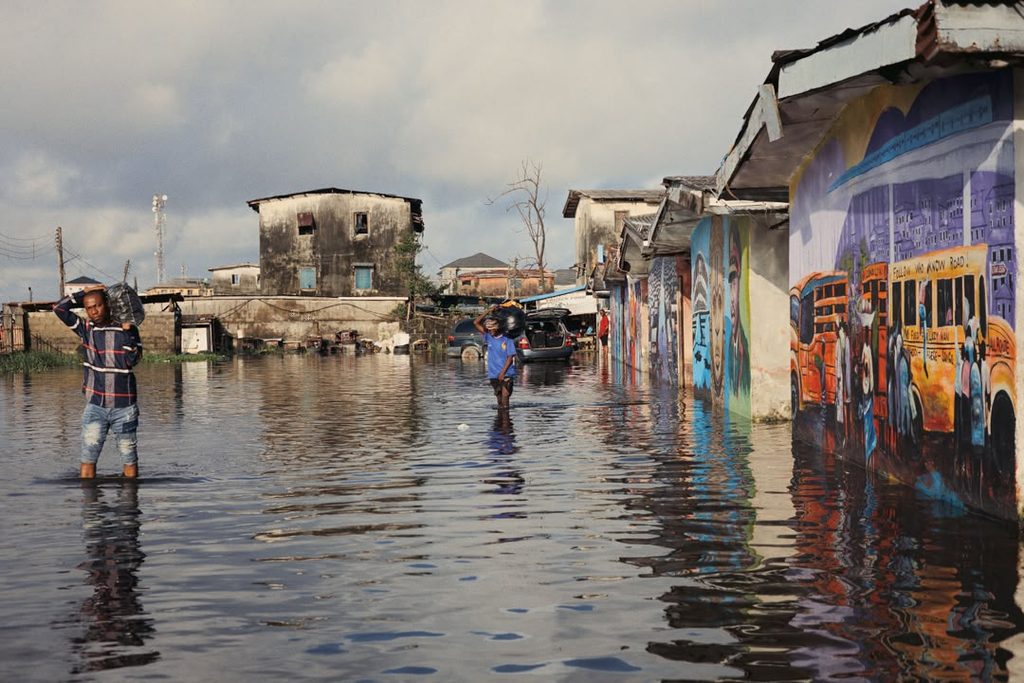
Extreme heat can reduce productivity and increase pressure on energy systems. Flooding can damage roads, bridges, homes, businesses and public infrastructure.
Rising sea levels create additional risks for coastal communities and economic centres. These impacts can produce repeated costs when countries lack adequate adaptation measures.
The financial consequences may not appear immediately after climate policies fail. The assessment indicates that sovereign rating effects could begin emerging between 2035 and 2040.
That delay creates an important opportunity for governments to act before risks intensify. Early investment can help countries reduce future exposure and protect development gains.
The issue also matters to lenders and investors assessing long-term sovereign risk. Climate exposure can increasingly become part of broader financial and credit assessments.
For governments, climate planning therefore cannot remain separate from economic planning. Resilience must become part of fiscal policy, infrastructure investment and development strategies.
Infrastructure Decisions Could Shape Future Economic Stability
Infrastructure is central to the climate risk debate because major assets often remain operational for decades. Roads, railways, ports, power systems and water networks require long-term planning.
Poorly designed infrastructure can create vulnerabilities that become expensive to correct later. Climate-resilient design can reduce those risks while protecting essential services.
AIIB has increasingly linked infrastructure financing with climate considerations. Its current strategy targets more than 50% of annual financing for climate-related investments through 2030.
The bank reported approving US$10.6 billion across 57 projects during 2025. About 71% of that financing supported climate-related outcomes, according to its latest impact report.
AIIB’s financing includes projects supporting resilient infrastructure and cleaner development. Its portfolio demonstrates how development finance can connect infrastructure investment with climate objectives.
The bank also says all its financing has been aligned with the Paris Agreement since July 2023. That alignment requires climate considerations to become part of project and investment decisions.
This approach offers an important lesson for developing economies. Infrastructure should be assessed according to both its economic value and its future climate exposure.
Governments can use climate risk assessments before approving major infrastructure projects. Doing so can reduce future repair costs and protect communities from avoidable disruption.
Development banks also have a role in making resilient projects financially viable. Blended finance and guarantees can help attract private capital toward projects with long-term climate benefits.
Why This Matters to Africa
The AIIB warning has particular relevance for Africa because the continent faces major climate and infrastructure financing challenges. African economies also have limited room to absorb repeated climate-related economic shocks.
The African Development Bank estimates that Africa needs substantial additional climate finance. Its African Green Banks Initiative estimates that implementing national climate commitments requires about US$2.8 trillion by 2030.
The continent also faces a major infrastructure financing gap. Recent African Development Bank analysis estimates infrastructure needs at roughly US$181 billion to US$221 billion annually through 2030.
The same analysis places Africa’s annual climate finance gap at approximately US$213.4 billion. These financing pressures make climate-smart infrastructure increasingly important for African development.
Africa’s challenge is complicated by its limited contribution to global emissions. Yet many African countries remain highly exposed to droughts, floods, heat and changing rainfall patterns.
This creates a difficult development equation for governments. They must expand infrastructure while ensuring new investments remain useful under changing climate conditions.
The lesson from AIIB is that climate resilience should be considered before infrastructure is built. Retrofitting vulnerable infrastructure later can be more expensive and disruptive.
Africa can also learn from AIIB’s focus on mobilising private capital. The African Development Bank’s Alliance for Green Infrastructure in Africa seeks to prepare projects and attract private investment.
The initiative aims to mobilise up to US$10 billion for green infrastructure opportunities. It combines project preparation, blended finance and investment support to make projects more bankable.
This model could help African countries address both infrastructure shortages and climate risks. It also demonstrates why climate finance must move beyond grants toward larger investment structures.
Why Nigeria Should Pay Attention
Nigeria has a particularly strong reason to take the AIIB warning seriously. The country faces climate risks alongside major infrastructure requirements and limited access to affordable long-term finance.
The World Bank’s 2026 Nigeria Country Climate and Development Report directly connects climate change with infrastructure and economic development. The report examines adaptation, mitigation, climate finance and resilient growth within Nigeria’s development planning.
Nigeria already experiences flooding, erosion, heat and changing rainfall patterns. These hazards can disrupt agriculture, transport, businesses, communities and public infrastructure.
The consequences can quickly become economic problems for households and governments. Damage to infrastructure can also increase the cost of maintaining essential public services.
Nigeria therefore needs to view climate resilience as an economic priority. Infrastructure planning should consider future rainfall patterns, flooding risks, heat exposure and water availability.
This approach could influence how roads, drainage systems and public buildings are designed. It could also shape investment decisions involving electricity, transport, agriculture and water infrastructure.
Businesses should apply similar thinking to their own operations. Companies need to understand how climate risks could affect facilities, employees, supply chains and customers.
The lesson is especially important for companies developing ESG strategies. Climate reporting should support actual risk management rather than become only a corporate communications exercise.
Businesses can also identify opportunities through the transition. Renewable energy, energy efficiency, resilient agriculture and climate technology could create new markets and employment opportunities.
What African Businesses and Governments Can Learn
The AIIB assessment offers several lessons for policymakers, investors and businesses across Africa. The first is that climate risk should be incorporated into financial decision-making.
Governments should assess climate exposure before committing to major infrastructure projects. Investors should also consider whether assets can remain productive under future climate conditions.
The second lesson concerns the value of early action. Waiting for climate risks to damage creditworthiness could leave governments with fewer options.
Adaptation investment can help reduce the economic impact of floods, droughts and extreme heat. Stronger early-warning systems can also reduce losses when extreme events occur.
The third lesson involves transparency and sustainability reporting. AIIB says stronger sustainability disclosures can help investors understand environmental and social risks more clearly.
African companies can apply the same principle through credible climate and ESG disclosures. Better information can help investors understand risks and identify businesses preparing for future conditions.
The fourth lesson concerns project preparation. Africa needs more investment-ready green infrastructure projects that can attract both public and private capital.
This requires stronger governance, reliable data and transparent investment frameworks. It also requires governments to develop projects that meet investor expectations while delivering public benefits.
For Nigeria, these lessons can support a more integrated approach to climate and development policy. Climate action should be connected to infrastructure, finance, energy, agriculture and industrial development.
Climate Resilience Is Economic Resilience
The AIIB warning demonstrates why climate change can no longer be treated solely as an environmental issue. Its effects can eventually influence public finances, infrastructure and economic stability.
For Africa, the stakes are particularly high because development needs remain enormous. Countries must build infrastructure while protecting new investments from growing climate risks.
Nigeria faces the same challenge at a national level. The country needs infrastructure that supports economic growth without creating avoidable vulnerabilities.
The response requires cooperation between governments, development banks, investors and businesses. Public finance alone cannot meet the scale of Africa’s infrastructure and climate needs.
Private capital will therefore remain important for the transition. However, investors need credible policies, bankable projects and reliable information before committing significant capital.
The AIIB approach provides one example of how climate considerations can become part of mainstream investment decisions. African institutions can adapt similar principles to local economic and environmental conditions.
The central lesson is straightforward. Climate resilience is increasingly becoming economic resilience.
Governments that invest early can reduce future losses and protect development spending. Businesses that prepare early can also reduce operational risks while identifying new opportunities.
For Africa and Nigeria, climate action should therefore be viewed as an investment in future economic stability. The decisions made today will help determine how costly tomorrow’s climate risks become.
[give_form id="20698"]