INEC’s PVC Distribution Ahead of 2027: Why Access to the Ballot Matters for Good Governance
 ONYINYECHI NWAIGBA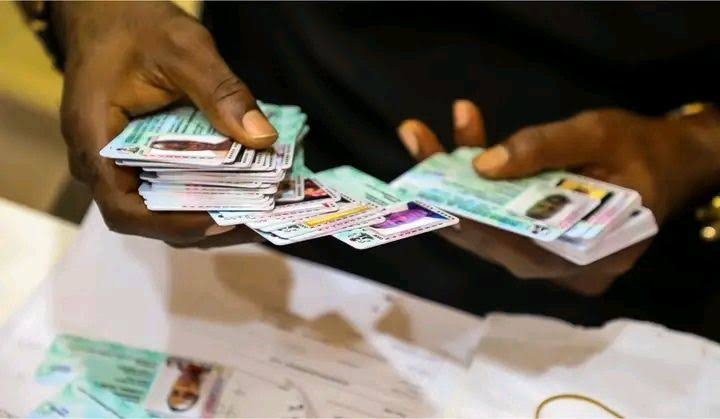
As Nigeria moves closer to the 2027 general elections, the distribution of Permanent Voter Cards (PVCs) is bringing an important part of the country’s electoral process back into focus: ensuring that citizens who have registered to vote can actually access the tools required to participate.
The Independent National Electoral Commission (INEC) has announced that nationwide collection of newly produced PVCs will begin on October 9, 2026, following the completion of the latest Continuous Voter Registration exercise.
The exercise will cover newly registered voters, Nigerians who transferred their voting locations and eligible voters who requested replacement cards. The cards are to be distributed to Local Government Area collection centres across the country.
The timing is significant. Nigeria’s national register of voters has now surpassed 103 million following the conclusion of the three-phase Continuous Voter Registration exercise. INEC said the exercise recorded 10,772,421 new registrations, subject to the commission’s biometric verification and cleanup processes.
But beyond the numbers, the PVC distribution raises a broader question about governance in Nigeria: what happens when citizens are registered to participate, but face barriers in actually exercising that right?
Access Is Part of Participation
Voting is often discussed as though participation begins and ends at the polling unit. In reality, the process starts much earlier.
A citizen must be eligible, register, have their information accurately captured, obtain the necessary voter credentials and know where and how to participate when the election arrives.
That makes the PVC collection exercise an important part of the wider governance process.
For the more than 10 million Nigerians captured during the latest registration exercise, registration alone does not complete the journey. Their ability to collect their cards and confirm their details is another practical step towards participation in the 2027 elections.
INEC Chairman Professor Joash Amupitan has directed electoral officials to address bottlenecks that could make PVC collection difficult, particularly at the local government level. The commission has also urged eligible citizens to collect their cards ahead of the elections.
This is particularly important for citizens in rural and underserved communities, where distance, transportation costs, limited information and administrative delays can create additional barriers.
If citizens are expected to participate in governance, the systems designed to facilitate that participation must be accessible.
Why This Matters for Good Governance
Elections are one of the most visible ways citizens participate in governance, but their importance extends beyond choosing political office holders.
They provide a mechanism through which citizens can influence who represents them, what issues receive attention and how public resources and policies are shaped.
A functional electoral system therefore has implications for accountability.
When citizens can participate effectively, elected officials operate within a system where their decisions can be scrutinised by the people they represent. When participation is weakened by administrative barriers, misinformation or voter apathy, the connection between citizens and public institutions can also become weaker.
This is why electoral accessibility should be viewed as part of the broader conversation about responsible governance.
For Nigeria, that conversation is particularly relevant as the country prepares for another general election involving millions of voters across the federation.
The 103 Million Voter Question
The growth of Nigeria’s voter register presents both an opportunity and a responsibility.
With more than 103 million registered voters now on the national register, the scale of participation that the electoral system must accommodate is enormous.
The figure also reflects the number of citizens who have taken a formal step towards participating in the electoral process.
However, a large voter register should not automatically be interpreted as high voter participation.
Registration is one indicator. Actual collection of voter cards, voter turnout, informed decision-making and participation throughout the electoral process are different issues.
This distinction matters because voter apathy remains one of the challenges facing democratic participation in Nigeria.
For institutions involved in civic education, the period leading to 2027 therefore presents an opportunity to help citizens understand not only how to vote, but why participation matters and how they can make informed decisions.
The Role of Information and Trust
Another important issue surrounding the PVC exercise is information.
INEC has previously acknowledged the importance of timely and accurate communication in protecting public confidence in the electoral process. The commission has also warned that administrative failures can create room for misinformation and disinformation.
This makes communication an important part of electoral preparedness.
Citizens need clear information about where to collect their PVCs, what documents or identification may be required, when collection will take place and what steps to take if they encounter problems.
Without clear communication, even a well-designed electoral process can become difficult for citizens to navigate.
The responsibility does not rest entirely with INEC.
The media, civil society organisations, community leaders, youth organisations and other stakeholders also have a role to play in making reliable electoral information accessible to citizens.
In an environment where misleading information can spread rapidly online, credible public information becomes even more important.
Technology and the Next Stage of Electoral Preparation
INEC is also continuing to strengthen its technological infrastructure ahead of the 2027 elections.
The commission has disclosed that it acquired 57,000 new Bimodal Voter Accreditation System (BVAS) devices, while also working to improve existing electoral technologies rather than introducing entirely untested systems close to the election.
Technology alone, however, cannot guarantee public confidence.
The effectiveness of any electoral technology ultimately depends on how well it works in practice, how transparently it is deployed and how effectively challenges are communicated and addressed.
This is why the combination of technology, administrative preparedness, public education and institutional accountability will be important as the country approaches 2027.
What Should Happen Next?
The PVC distribution exercise provides an opportunity for several stakeholders to focus on practical steps that can strengthen participation.
For INEC, the priority should be making collection as accessible and efficient as possible, particularly for citizens who may face geographical or logistical challenges.
For citizens, registration should be followed by checking PVC status, collecting cards when they become available and obtaining reliable information about the electoral process.
For civil society organizations, the focus can extend to voter education, community outreach and helping citizens understand their rights and responsibilities without directing them towards any political party or candidate.
For the media, accurate reporting will remain essential. Information about election procedures should be verified before publication, particularly at a time when misinformation can influence public understanding and confidence.
And for political actors and their supporters, the broader electoral environment also matters. Peaceful participation and respect for the rights of other citizens and political actors are important components of a functioning democratic process.
The Bigger Picture
INEC’s decision to begin nationwide PVC collection on October 9 may appear to be an administrative milestone, but it represents something broader.
It is another step in preparing millions of Nigerians to participate in the 2027 general elections.
The latest registration exercise has expanded the pool of citizens who can participate, but the success of that expansion will depend partly on whether registered voters can move smoothly from registration to actual participation.
That requires more than PVCs.
It requires accessible institutions, reliable information, effective technology, responsible communication and citizens who understand that participation in governance extends beyond election day.
As Nigeria moves towards 2027, the conversation should therefore not be limited to how many people are registered.
It should also ask whether citizens can access the electoral process, whether they have the information needed to participate and whether institutions are building the level of transparency and trust necessary for meaningful civic engagement.
For a democracy, access is not a small administrative detail. It is part of participation itself.
[give_form id="20698"]