ONYINYECHI NWAIGBA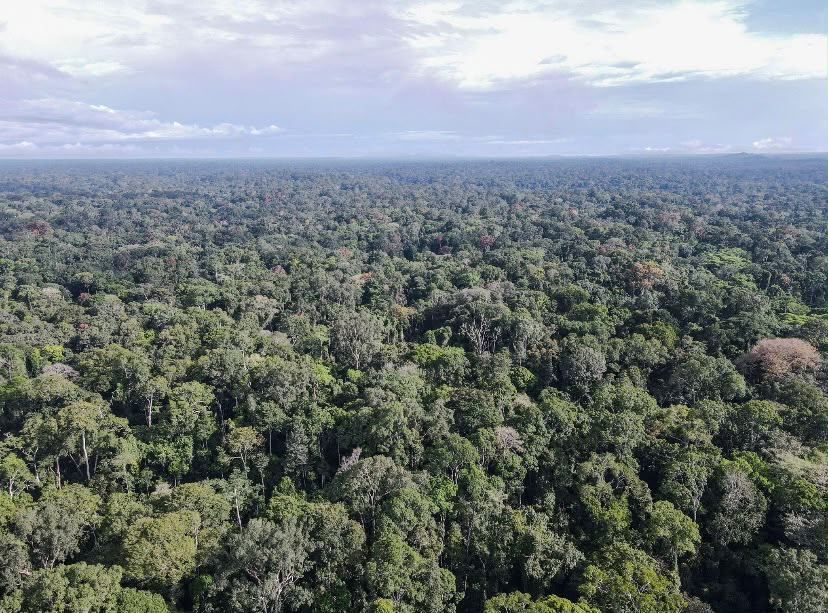
Cameroon is stepping up its engagement with global carbon markets as part of a broader strategy to mobilise climate finance, reduce greenhouse gas emissions, and unlock new pathways for sustainable economic growth.
The move reflects a growing shift across Africa, where governments are increasingly turning to carbon trading mechanisms and nature-based solutions to bridge persistent climate funding gaps while leveraging their natural resources for development.
For Cameroon, the strategy is anchored in its vast forest ecosystems, renewable energy potential, and emerging climate policies aimed at aligning economic development with environmental sustainability.
The country’s approach signals a broader recognition that climate action is no longer solely an environmental obligation but also a financial and economic opportunity.
See: UNDP Cameroon Climate and Sustainable Development Initiatives
Africa’s Growing Carbon Economy Shift
Across the continent, carbon markets are gaining momentum as governments and private sector actors explore ways to monetise emissions reductions and ecosystem services.
From forest conservation to renewable energy expansion, African countries are positioning themselves as key suppliers of carbon credits in the global market.
This shift comes at a time when climate finance needs continue to rise sharply, particularly for developing economies facing the dual challenge of climate vulnerability and infrastructure deficits.
Cameroon’s entry into this space places it among a growing group of African nations seeking to transform environmental assets into tradable financial instruments that can support national development priorities.
Cameroon’s Climate Positioning
Cameroon occupies a strategic position within the Congo Basin, home to the world’s second-largest tropical rainforest.
These forests serve as a critical global carbon sink, absorbing millions of tonnes of carbon dioxide annually while supporting biodiversity, regulating rainfall patterns, and sustaining millions of livelihoods.
In recent years, policymakers have increasingly recognised the economic value embedded in these ecosystems, particularly as global demand for carbon credits accelerates.
By strengthening participation in carbon markets, Cameroon aims to convert its natural capital into financial capital, supporting climate mitigation efforts while generating revenue for development projects.
The country’s updated climate ambition includes leveraging international cooperation frameworks under Article 6 of the Paris Agreement, which allows for the transfer of verified emission reductions between countries.
This mechanism is expected to play a central role in Cameroon’s efforts to attract investment into climate-aligned sectors such as forestry, agriculture, and renewable energy.
Understanding the Carbon Market Opportunity
Carbon markets operate by assigning a financial value to greenhouse gas emissions reductions.
Projects that reduce, avoid, or remove emissions generate carbon credits, which can then be sold to governments, corporations, or institutions seeking to offset their own emissions.
These projects often include forest conservation initiatives, clean energy investments, regenerative agriculture, waste management systems, and ecosystem restoration programmes.
For developing countries like Cameroon, carbon markets offer a dual advantage.
They provide access to international finance while incentivising sustainable land use practices and low-carbon development pathways.
However, success depends heavily on regulatory integrity, transparent governance, and strong monitoring systems to ensure that emissions reductions are real, measurable, and verifiable.
See: Is Biochar the New Deal in Corporate Carbon Strategy?
Unlocking Climate Finance for Development
One of the most pressing challenges facing African countries is the persistent gap between climate finance needs and available funding.
Adaptation and mitigation projects require substantial long-term investment, yet public financing alone remains insufficient.
Carbon markets are increasingly seen as a complementary financing mechanism capable of attracting private capital into climate-related projects.
In Cameroon, potential investment areas include sustainable forestry management, renewable energy expansion, climate-smart agriculture, and ecosystem restoration initiatives.
These sectors not only contribute to emissions reduction but also support job creation, rural development, and improved resilience to climate shocks.
The integration of carbon finance into national development planning could therefore reshape how infrastructure and environmental projects are funded and implemented.
Forests as Economic and Climate Assets
A central pillar of Cameroon’s carbon strategy lies in its forests, which form part of the broader Congo Basin ecosystem.
These forests are among the most important in the world for carbon sequestration, making them highly valuable in global climate regulation efforts.
However, they are also under increasing pressure from deforestation, agricultural expansion, and resource extraction.
Carbon markets present an incentive structure for forest conservation by assigning financial value to standing forests rather than cleared land.
This creates opportunities for governments, communities, and private actors to benefit economically from conservation efforts.
If effectively implemented, such mechanisms could help reduce deforestation rates while providing sustainable income streams for local populations.
Community participation will be critical in this process, as many rural livelihoods are directly linked to forest resources.
Inclusive carbon projects that involve local communities in forest management and benefit-sharing arrangements are more likely to succeed in the long term.
Renewable Energy and the Low-Carbon Transition
Beyond forestry, Cameroon is also exploring opportunities within the renewable energy sector as part of its broader climate strategy.
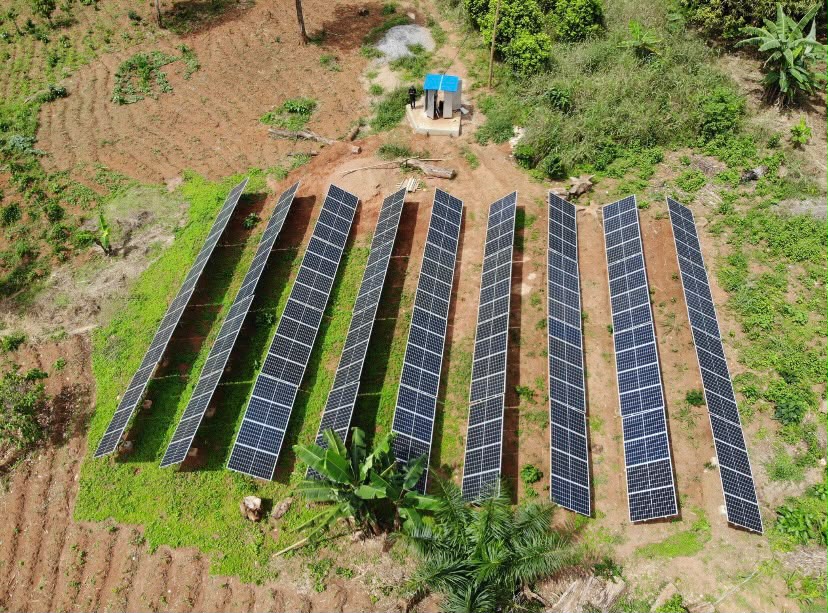
The country has significant hydropower potential, along with growing opportunities in solar energy deployment, particularly in off-grid and rural areas.
Expanding renewable energy access is central to both emissions reduction goals and national development priorities, particularly in improving electricity access and reducing energy poverty.
Carbon finance could play a catalytic role in accelerating investment into clean energy infrastructure by improving project viability and attracting private sector participation.
This transition is expected to support industrial development, enhance productivity, and reduce dependence on fossil fuels over time.
Governance, Integrity, and Market Risks
Despite its promise, the carbon market system is not without challenges.
Globally, concerns have been raised around the credibility of carbon credits, transparency in reporting, and the risk of greenwashing.
For Cameroon, establishing a strong governance framework will be essential to ensuring the integrity of its carbon market participation.
This includes robust measurement, reporting, and verification systems, clear regulatory guidelines, and institutional capacity to oversee project implementation.
Without these safeguards, there is a risk that carbon markets could fail to deliver real climate benefits or equitable outcomes for communities.
International experience shows that trust and transparency are key determinants of success in carbon trading systems.
ESG and Investment Implications
From an ESG perspective, Cameroon’s engagement with carbon markets presents significant implications for investors, development agencies, and corporate actors.
It signals an opening for increased sustainable finance flows into sectors aligned with environmental and social impact objectives.
Companies seeking to meet net-zero commitments may also find opportunities to invest in verified carbon projects within Cameroon’s forestry and renewable energy sectors.
At the same time, institutional investors will be closely watching regulatory developments to assess risk, credibility, and long-term viability.
If well-structured, Cameroon’s carbon market framework could become a model for aligning environmental assets with investment-grade climate finance opportunities.
Looking Ahead
Cameroon’s move into carbon markets reflects a broader transformation underway across Africa, where countries are increasingly positioning themselves as active participants in the global climate economy.
The convergence of climate policy, natural resource management, and financial innovation is reshaping how development is financed and delivered.
For Cameroon, the challenge lies in translating policy ambition into operational systems that are transparent, inclusive, and effective.
If successful, the strategy could demonstrate how developing economies can leverage natural capital not only to address climate change but also to accelerate economic transformation.
As global demand for carbon credits continues to grow, Cameroon’s forests, energy systems, and communities may play an increasingly important role in shaping the future of climate finance.
The coming years will determine whether this ambition becomes a transformative model for sustainable development or remains an unrealised opportunity.
[give_form id="20698"]