Can Better Network Coverage Unlock Economic Opportunities for Underserved Nigerians?
 ONYINYECHI NWAIGBA
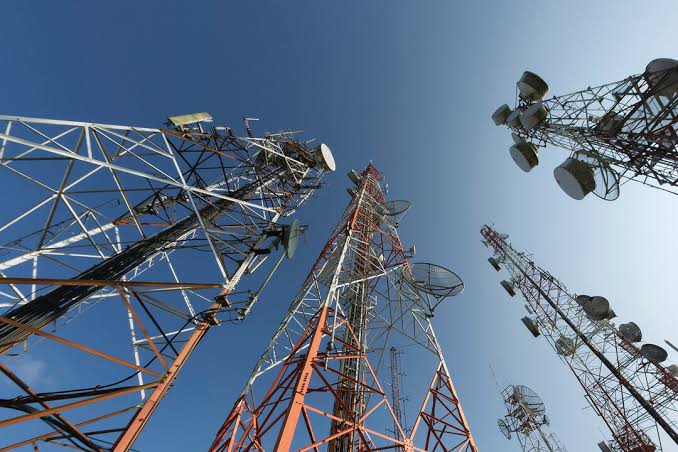
The Federal Government’s plan to deploy 3,700 telecommunications towers to connect nearly 20 million Nigerians presents an opportunity to expand digital inclusion. But the initiative’s long-term impact will depend on reliable service, affordability, infrastructure maintenance and access to the skills needed to participate in the digital economy.
For millions of Nigerians, access to the internet has become part of everyday life. People use mobile networks to run businesses, receive payments, attend classes, access public information and communicate with family members. Yet, for some communities, reliable connectivity remains out of reach.
A farmer who cannot contact a potential buyer, a student unable to access online learning resources or a trader whose electronic payment repeatedly fails faces more than a technical inconvenience. These limitations can restrict economic opportunities, access to information and participation in an increasingly digital society.
The Federal Government’s decision to deploy 3,700 telecommunications towers across Nigeria under the Nigeria Universal Communication Access Project (NUCAP) is intended to address part of this challenge. The initiative targets nearly 20 million Nigerians who lack adequate access to telecommunications services, particularly in unserved and underserved communities.
The rollout began with the commissioning of a telecommunications site in Bende Local Government Area of Abia State on October 16, 2026. The government has described the project as part of its broader effort to expand connectivity and enable more Nigerians to participate in the digital economy.
The initiative represents a significant infrastructure ambition. However, the more important question is what reliable connectivity will mean for the people expected to benefit from it.
The Digital Divide Is More Than a Network Problem
Digital inequality is often discussed in terms of who has access to the internet and who does not. In practice, the divide is more complex.
It includes communities without adequate network coverage, households that cannot afford internet-enabled devices, people who struggle with data costs and individuals who lack the digital skills needed to use online services effectively.
For residents of communities with weak or nonexistent network coverage, the first challenge is access to the infrastructure itself. Without a reliable signal, even people who own smartphones cannot fully participate in online activities that require mobile connectivity.
The consequences can be particularly significant in rural areas, where physical distance from banks, educational institutions, markets and healthcare facilities may already limit access to services.
Expanding telecommunications infrastructure can help address this geographical disadvantage. However, a network tower alone does not eliminate every barrier to digital participation.
A household may gain access to a signal but still struggle to afford a smartphone or regular data subscriptions. A student may be able to connect to the internet but lack electricity to charge a device. A small business owner may have network access without knowing how to use digital tools to reach new customers.
For the benefits of NUCAP to extend beyond infrastructure, implementation must recognise these connected challenges.
What Better Connectivity Could Mean for Rural Businesses
One of the most immediate potential benefits of improved telecommunications access is the opportunity to strengthen local economic activity.
Small businesses and informal traders depend heavily on communication. Customers need to contact sellers, suppliers need to coordinate deliveries, and business owners need to confirm orders and receive payments.
In communities with unreliable network coverage, these activities can become unnecessarily difficult. Electronic transactions may fail, communication with customers may be interrupted, and business owners may have limited access to information about prices and market conditions.
More reliable connectivity could help traders communicate with customers beyond their immediate locations, promote products through social media and manage transactions more efficiently.
For farmers, access to mobile networks could improve communication with produce buyers, transport operators and agricultural service providers. Depending on the availability of relevant digital services, farmers could also access market information, weather updates and agricultural guidance.
These possibilities matter because small businesses and agricultural activities support livelihoods across many Nigerian communities.
However, connectivity does not automatically guarantee business growth. Entrepreneurs still need affordable devices and data, relevant digital skills, dependable payment systems and access to markets where their products can be sold.
The value of the investment will therefore depend partly on whether the people connected can use the infrastructure to improve their livelihoods.
Education and Healthcare Could Also Benefit
The implications of digital connectivity extend beyond commerce.
For students in underserved communities, reliable internet access can widen the range of educational resources available to them. Online lessons, digital libraries, scholarship announcements and skills-development programmes can provide additional learning opportunities where local resources are limited.
Teachers may also benefit from access to professional development materials and digital teaching tools.
Yet these opportunities depend on more than network coverage. Schools need appropriate devices, electricity and educators who can integrate digital resources into learning. Internet access should complement, rather than replace, efforts to improve the quality of education.
Healthcare is another important area.
Connectivity can help health workers communicate with specialists, coordinate referrals and access relevant medical information. Where appropriate systems are available, it can also support remote consultations and communication between healthcare facilities.
For families living far from major hospitals, improved communication could make it easier to seek guidance or coordinate access to services.
However, digital healthcare cannot replace physical medical facilities, trained personnel, essential medicines or emergency treatment. Its effectiveness depends on the availability of healthcare professionals and systems capable of responding to patients’ needs.
The telecommunications rollout could strengthen the infrastructure supporting these services, but its contribution will depend on whether schools, healthcare facilities and communities have the resources to use it effectively.
Why Affordability Must Remain Part of the Conversation
Expanding network coverage is an important step towards digital inclusion, but access must also be affordable.
For low-income households, the cost of purchasing a smartphone, charging the device and paying for data can remain a substantial barrier. Even where coverage improves, these costs may prevent people from making regular use of digital services.
This creates a risk that the benefits of new infrastructure will be unevenly distributed. Households with the resources to purchase devices and maintain data subscriptions may benefit more quickly, while the most economically vulnerable residents remain excluded.
Public access solutions could help reduce this gap. The NUCAP initiative has also been associated with public Wi-Fi and Smart Village solutions in selected locations, offering potential ways to extend the benefits of connectivity beyond individual mobile subscriptions.
For such services to make a lasting difference, their operating arrangements must be clear. Public access points need dependable power, maintenance, appropriate security and arrangements that allow communities to use them safely and consistently.
Digital literacy is equally important. People need to understand how to use online services, protect their personal information, identify fraudulent messages and navigate digital platforms confidently.
A successful inclusion strategy must therefore consider the full cost of participation, not simply the cost of building telecommunications infrastructure.
Infrastructure Maintenance Will Determine Long-Term Impact
Telecommunications towers require more than installation. Their long-term usefulness depends on reliable power, equipment maintenance, network capacity and timely repairs when faults occur.
These considerations are particularly important in remote locations, where difficult terrain, limited electricity infrastructure and the cost of servicing equipment can complicate operations.
The government and implementing organisations will need to ensure that the facilities remain operational after commissioning. Communities that have waited years for reliable connectivity should not be left with infrastructure that provides inconsistent service or becomes unusable because of maintenance problems.
The quality of connectivity also matters. A signal that allows basic calls but cannot reliably support internet-based services may not deliver the full benefits expected from the project.
Performance should therefore be assessed through practical outcomes, including network availability, service reliability and the ability of residents to access the digital services relevant to their lives.
Community participation can support these efforts. Residents are often best placed to identify coverage gaps, report persistent faults and explain how connectivity problems affect local activities.
Involving communities in monitoring and feedback can help authorities identify problems early and improve service delivery.
Accountability Must Extend Beyond the Number of Towers Built
The target of 3,700 telecommunications towers provides a measurable starting point for assessing the initiative. But infrastructure delivery should not be the only measure of success.
A tower that has been installed does not necessarily mean that a community has gained reliable, affordable internet access. Nor does the number of structures completed reveal how many residents are actively using the services or benefiting from them.
The government and relevant implementing bodies should provide clear information about deployment timelines, locations, operational status and the communities expected to benefit.
Progress reporting should also distinguish between towers planned, towers installed and sites that are fully operational. This would allow citizens to understand how implementation is progressing against the announced target.
Beyond construction, monitoring should consider improvements in network availability, service quality and the practical use of digital services.
For example, are local businesses finding it easier to receive electronic payments? Are students gaining more consistent access to online learning? Can healthcare workers communicate more reliably with facilities in other locations?
These questions would help establish whether the investment is producing meaningful social and economic outcomes.
Transparent reporting would also allow policymakers to identify underserved communities that remain outside the rollout and determine whether additional interventions are needed.
Connectivity and Nigeria’s Sustainable Development
Reliable telecommunications infrastructure has implications for several areas of sustainable development, including education, economic opportunity, healthcare access and reduced inequality.
Digital access can help communities overcome geographical barriers and participate more fully in economic and social activities. It can also support the delivery of services in locations where physical infrastructure is limited.
However, connectivity should be treated as an enabling resource rather than a complete solution to development challenges.
An internet connection cannot independently resolve unemployment, inadequate healthcare, poor educational outcomes or poverty. Its contribution depends on whether people can access the services, skills and opportunities that make connectivity useful.
The long-term success of NUCAP will therefore require coordination between telecommunications infrastructure providers, government institutions, educational organisations, healthcare facilities and communities.
It will also require sustained attention to the needs of people who face multiple barriers to digital participation, including low-income households, people with disabilities and residents of geographically isolated communities.
A more inclusive digital economy is one in which connectivity helps people access opportunities, rather than becoming another advantage available mainly to those who are already better positioned.
From Infrastructure to Opportunity
The Federal Government’s plan to connect nearly 20 million Nigerians through 3,700 telecommunications towers creates an opportunity to address a persistent barrier to economic and social participation.
For communities that have struggled with inadequate network coverage, reliable connectivity could improve communication, support business activity and widen access to education and essential services.
But the real test will come after the announcements and commissioning ceremonies.
The infrastructure must remain operational. Services must be reliable and affordable. Residents must have the devices, skills and resources needed to use them. And the institutions responsible for implementation must be able to demonstrate that the intended communities are benefiting.
Nigeria’s digital divide will not disappear simply because more towers are built. It will narrow when people can use reliable connectivity to learn, earn a living, access services and participate in the opportunities of a digital society.
The measure of success should therefore extend beyond how much infrastructure is deployed to what that infrastructure makes possible for the people it is intended to serve.
For the millions of Nigerians currently beyond reliable network coverage, the promise of digital inclusion will become meaningful only when connectivity translates into lasting, measurable improvements in everyday life.
DON’T JUST ANNOUNCE YOUR IMPACT. PROVE IT.
CSR REPORTERS helps organisations verify, assess, document and communicate the real impact of their CSR and sustainability initiatives.
Project Verification | Beneficiary Feedback | Impact Assessment | Impact Storytelling | Stakeholder Engagement
Have an initiative worth documenting? Let us verify it. Document it. Tell the story.
Talk to CSR REPORTERS
enquiries@csrreporters.com
📞 Call/WhatsApp: 0803 401 2198 | 0903 329 6374 | 0905 024 4468 | 0803 209 8499
www.csrreporters.com