csrreporters
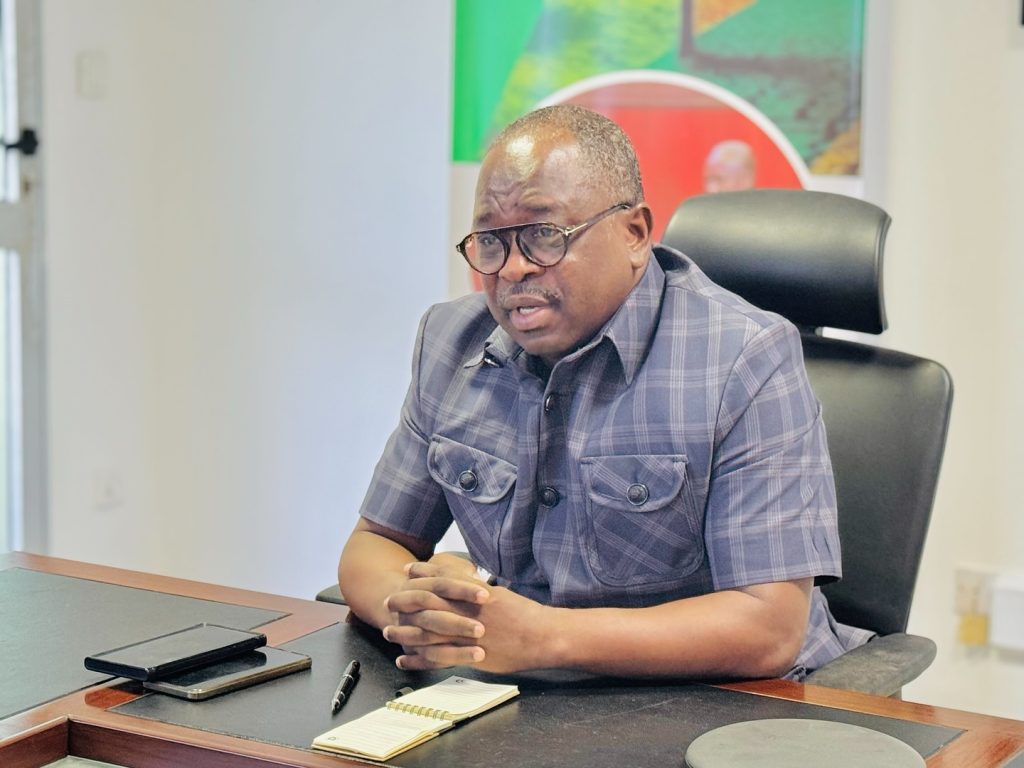
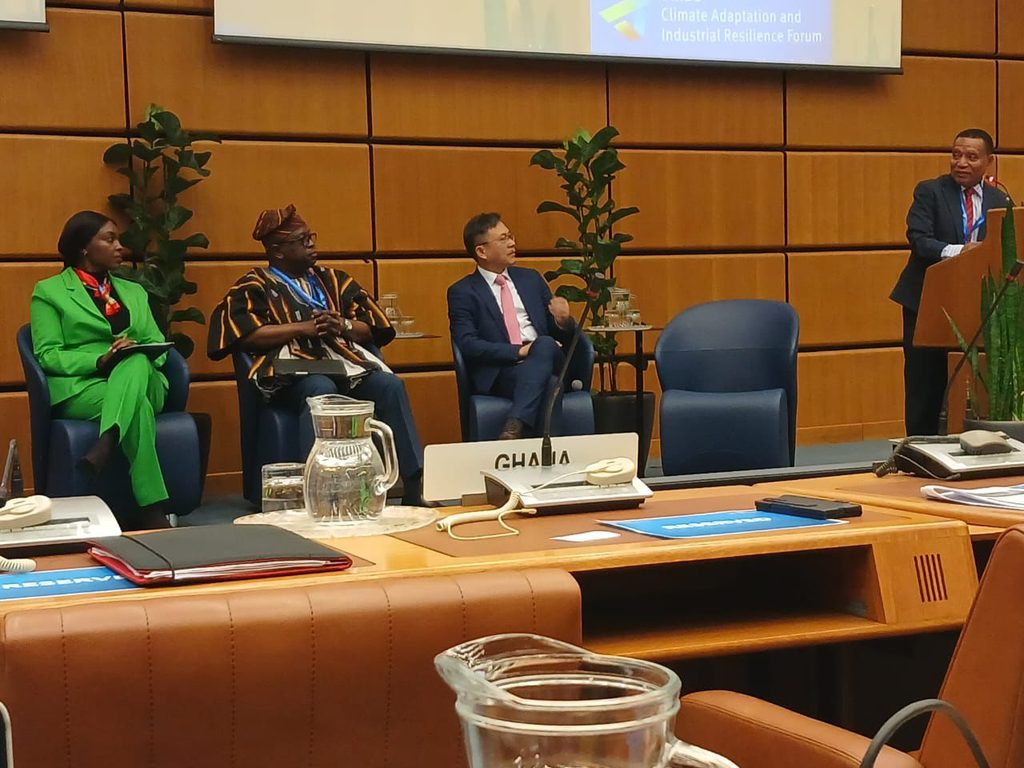
On 12 October 2026, Ghana delivered a blunt message in Bangkok. Seidu Issifu, the Minister of State for Climate Change and Sustainability, told the 17th V20 Ministerial Dialogue that reforming countries should keep access to concessional climate finance. The meeting ran on the sidelines of the IMF and World Bank Annual Meetings. As a result, his audience included the people who set the terms of that money.
His case reaches well beyond Accra. Climate shocks now land on national budgets, so the rules of climate finance decide how fast African economies can adapt.
A Fairness Test For Climate Finance
Issifu’s Bangkok intervention was specific. He argued that countries going through difficult reforms, including debt restructuring, should not lose access to concessional financing. He also asked for fairer and more transparent sovereign credit ratings that reflect stronger fundamentals once restructuring is done.
Then he moved to design. He called for debt-for-resilience arrangements and climate-resilient clauses in new lending agreements. In addition, he wants debt assessments to count resilience spending as a contributor to growth, not a drag on it.
He also backed the proposed V20 Lifeline Fund. It is a South-South mechanism meant to give quick financial support to countries hit by climate disasters. Issifu urged V20 members to build consensus as founding members and asked the G7 and G20 to support the fund. Meanwhile, he pressed for direct access to climate finance, including a doubling of V20 direct-access entities accredited to the Green Climate Fund by 2027.
The thread running through these asks is simple. Ghana wants investment partners with a shared stake in success. Charity, in his framing, is the wrong model.
See Also: Why Ghana Is Pushing for Better Waste Investment
Building The Machinery At Home
Credibility abroad depends on delivery at home. Ghana created the Office of the Minister of State for Climate Change and Sustainability under the Office of the President in 2025. Its job is to provide high-level strategic coordination, unify climate and ESG initiatives across various government agencies. Issifu, the first-ever Minister of State in charge of Climate Change and Sustainability, describes climate change as a national development challenge, not only an environmental concern.
At the Government Accountability Series on 6 May 2026, he reported that the office spent its first year on architecture. That meant governance systems, partnerships and investment pipelines. He also pointed to the Climate Change and Sustainability Hub, which works as a centre of excellence for research, policy coordination, capacity building and monitoring. His message on purpose was short: “Climate action is not charity.” He added that it should power development instead of slowing it down.
The policy asks keep coming. In December 2025, he urged ministries and agencies to climate-proof all major government programmes. His priority list covered implementation of Ghana’s Nationally Determined Contributions, the Green Taxonomy Framework, climate finance mobilisation, adaptation and capacity building. Ghana was also revising its climate commitments at that point.
On 9 July, he told Parliament’s Assurance Committee that climate considerations should become mandatory in public infrastructure and development projects. Therefore, resilience would enter planning, design and delivery from the start. He linked that approach to better access to climate finance and carbon credit generation. He also stressed restoring degraded ecosystems and locally led adaptation, especially in communities hurt by illegal mining.
Climate Risk As A Health and Economic Issue
Issifu keeps widening the frame. On 16 July, he spoke at the launch of the Climate and Health Science and Policy Consortiums in Africa, hosted by KNUST with the Wellcome Trust in Accra. There he tied recent floods in Accra to failures across health, water and education. In his account, floods disrupted healthcare delivery, contaminated water sources, displaced families and interrupted livelihoods.
He rejected the idea of climate change as a future problem. “Climate change is no longer a projection,” he said. He cited WHO estimates that climate change could add 250,000 deaths a year between 2030 and 2050, with Africa carrying the heaviest burden.
For business readers, that framing matters. It moves climate risk from the sustainability report to the operating model. Hospitals, schools, supply chains and workforces all sit inside the exposure he describes.
A Seat At The Global Table
Issifu also holds a global role. At the inaugural CVF-V20 Board Meeting in Washington, DC, he joined the board for 2025 to 2028. He represented President John Dramani Mahama there. That position gives Ghana a voice in how climate-vulnerable economies shape their joint asks.
Why The Framing Works
Three choices make his approach distinctive. First, he speaks the language of lenders. Ratings, debt assessments and loan clauses decide real costs, so he targets them directly.
Second, he ties climate to growth. He argues that climate action must support Ghana’s Reset Agenda, industrial transformation and long-term energy security. Therefore, finance ministries have a reason to listen.
Third, he builds coalitions. The V20 role and the Lifeline Fund push show a preference for collective bargaining over solo appeals. Each choice reduces dependence on goodwill and increases reliance on rules.
What The Private Sector Should Take From It
Ghana’s corporate environment is moving in step. The Ghana Stock Exchange launched an updated Sustainability Disclosure Guidance Manual in August, citing the country’s phased adoption of IFRS S1 and S2. This month, the Bank of Ghana called for coordinated handling of climate-related financial risks through a roadmap built on ESG integration, climate risk management and sustainable financing.
As a result, the sovereign argument and the corporate rulebook point the same way. Better disclosure supports better pricing of risk. In turn, better pricing can open cheaper capital for companies that prove resilience. That chain is analysis, not a finding from Issifu’s speeches. Still, it explains why corporate sustainability teams should follow his agenda.
The Test Ahead
The next phase will show whether the strategy delivers. The Lifeline Fund still needs G7 and G20 backing. Mandatory climate proofing needs enforcement across ministries. Direct-access accreditations take time. Also, public reporting so far shows commitments and calls rather than measured results.
Still, the direction is clear. Issifu treats climate policy as economic policy, and finance as a question of fairness. For Nigerian and wider African readers, that framing offers a useful benchmark. How a country argues for its cost of capital may shape how its companies fund resilience.
[give_form id="20698"]