Can the Niger Delta’s Cultural Economy Create Sustainable Livelihoods for 500,000 Entrepreneurs?
 ONYINYECHI NWAIGBA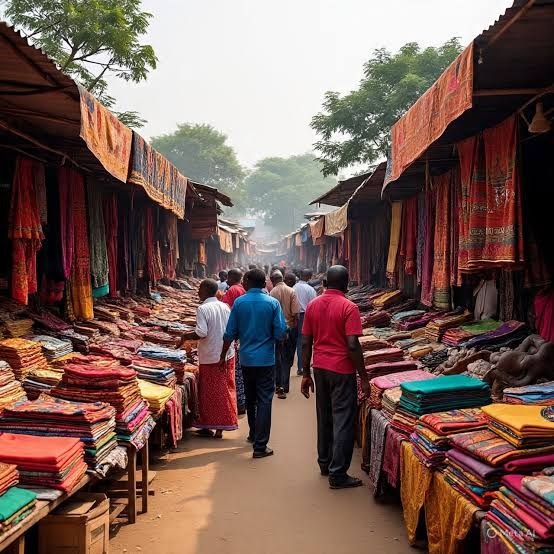
The Niger Delta’s cultural heritage could become a stronger source of income for local entrepreneurs if a new marketplace initiative achieves its ambitions of connecting 500,000 cultural entrepreneurs to wider markets and building a $5 billion cultural economy.
The initiative, known as SekiZheemKulture Marketplace, seeks to connect cultural practitioners across 50 tribes and 500 festivals, creating commercial opportunities around traditional crafts, fashion, food, theater, tourism and other forms of cultural expression.
According to the initiative’s organizers, the marketplace is intended to help people who preserve and promote the region’s cultural heritage benefit economically from their work. The proposed programme also includes a 50-day cultural activation between November and January, linking festivals, exhibitions, theater productions and heritage experiences with business opportunities across the Niger Delta’s nine states.
However, the $5 billion figure represents a long-term ambition, not revenue already generated or investment secured. The initiative’s broader significance will depend on whether its plans translate into sustainable livelihoods for the people and communities whose cultural assets underpin the marketplace.
Turning Cultural Heritage into Economic Opportunity
Cultural activities often involve extensive networks of people whose contributions extend beyond the performers and organizers visible at public events.
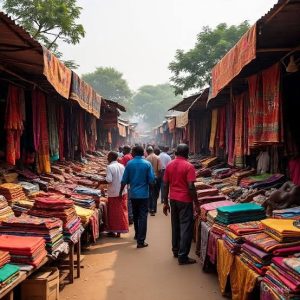
Artisans, textile makers, bead workers, food producers, costume designers, musicians, dancers, writers, tour operators, caterers and transport providers all contribute to the cultural economy. Yet many operate small businesses that may struggle to reach customers beyond their immediate communities.
SekiZheemKulture Marketplace plans to create wider market opportunities for these groups by showcasing products such as textiles, fashion, carvings, bead work, food products and collectibles. Its proposed approach includes connecting producers with customers within Nigeria, across the diaspora and in international markets.
For local entrepreneurs, this could offer a pathway to reach new buyers, improve sales and develop businesses around skills and traditions passed down through generations.
The initiative also plans to support participants with product presentation, branding, pricing and digital marketing. These capabilities could help small businesses compete more effectively, particularly where entrepreneurs have strong products but limited access to commercial networks.
For cultural enterprise to deliver meaningful development outcomes, however, visibility alone will not be enough. Entrepreneurs need reliable routes to market, affordable production inputs, dependable payments and the ability to build customer relationships beyond individual festivals.
Why Inclusive Growth Matters
One of the most important questions surrounding the initiative is who will benefit economically.
A cultural marketplace can generate activity and attract customers without necessarily ensuring that income reaches the artisans, performers and community members responsible for creating its value.
For the Niger Delta initiative to contribute to inclusive development, local producers must have meaningful opportunities to participate in decisions, negotiate fair prices and retain a reasonable share of the income generated from their work.
Women and young people could particularly benefit from opportunities in fashion, food processing, crafts, digital content, event management, hospitality and tourism. These activities can create entry points for people who may not have access to substantial start-up capital or formal employment.
The proposed Talent Factory is also expected to support emerging creatives through mentorship, workshops and practical experience in areas including performance, writing, directing, costume design, stage production and technical services.
If implemented effectively, such support could strengthen creative skills while helping participants develop the experience and networks needed to earn a living.
Still, the number of people connected to a marketplace should not automatically be treated as the number of jobs created. Measuring actual benefits will require evidence of income earned, businesses sustained, new employment generated and opportunities that continue after festival activities end.
Can Cultural Enterprise Support Environmental Sustainability?
The initiative’s relevance extends beyond entrepreneurship and income generation. Its stated sustainability priorities include responsible sourcing of materials, reducing waste from marketplace and festival activities, preserving wetlands and waterways, and passing traditional skills between generations.
These commitments are particularly relevant in a region where wetlands, waterways and other natural environments form part of the landscape in which many communities live and work.
Cultural tourism and heritage-based businesses can create incentives to preserve local traditions and landscapes when communities receive tangible economic benefits from their protection. However, this relationship is not automatic.
Festivals and tourism activities can also generate waste, increase pressure on local infrastructure and contribute to the overuse of natural resources if they are not managed responsibly.
For this reason, environmental considerations should be built into how the marketplace operates. Practical measures could include reducing single-use plastics at events, managing waste responsibly, sourcing materials sustainably and establishing clear standards for tourism activities in environmentally sensitive areas.
Any claims about environmental benefits should also be supported by evidence. Organizers would need to demonstrate how sustainability commitments are implemented and whether they produce measurable improvements for local communities and ecosystems.
Protecting Cultural Heritage as Commercial Interest Grows
Commercializing cultural heritage also raises questions about ownership, representation and consent.
Traditional designs, performances, stories, crafts and cultural practices carry meaning beyond their potential market value. As these assets reach wider audiences, communities need a say in how their heritage is presented, used and commercialized.
The organizers have indicated that cultural custodians and communities are expected to guide how traditions are represented and which aspects of heritage can appropriately be commercialized.
Putting this commitment into practice will be essential. Clear agreements on consent, attribution, intellectual property and benefit-sharing can help protect cultural knowledge while allowing practitioners to earn income from their work.
Without such safeguards, the communities whose heritage attracts commercial interest risk being excluded from the benefits or losing control over how their traditions are represented.
A responsible cultural economy should therefore do more than sell cultural products. It should also protect the knowledge, people and traditions that make those products valuable.
From Ambitious Targets to Measurable Impact
The proposed marketplace presents an opportunity to connect cultural preservation with entrepreneurship and regional development. But the scale of its targets makes implementation and accountability particularly important.
The $5 billion revenue ambition and the goal of connecting 500,000 cultural entrepreneurs will require more than events and publicity. They will depend on sustained customer demand, effective distribution networks, access to finance, reliable infrastructure and strong relationships between producers and buyers.
Transparent reporting would help stakeholders understand how much economic activity the initiative generates, how many entrepreneurs benefit directly and whether participation leads to lasting improvements in income.
Useful indicators could include the number of active businesses supported, sales generated for local producers, jobs created and sustained, the participation of women and young people, and the proportion of revenue reaching community-based enterprises.
Environmental and cultural indicators would also matter, including waste reduction, responsible sourcing, community consent and the protection of traditional knowledge.
These measures would help distinguish the initiative’s stated ambitions from demonstrated outcomes and provide a clearer picture of its contribution to sustainable development.
A Wider Role for Culture in Sustainable Development
The Niger Delta’s cultural economy offers a potential route to diversify livelihoods, support creative enterprise and strengthen the value of local heritage.
If SekiZheemKulture Marketplace delivers on its plans, it could create new connections between cultural practitioners, customers, tourism operators and investors while expanding opportunities for small businesses across the region.
Its long-term success, however, should not be judged by revenue targets or the number of festivals connected alone. It should also be assessed by whether local entrepreneurs earn sustainable incomes, communities retain control over their cultural heritage and environmental responsibilities are reflected in everyday operations.
Ultimately, the strongest cultural economy is one in which commercial growth and community wellbeing reinforce each other. For the Niger Delta, that means ensuring that the people who preserve its heritage are not merely part of the attraction, but also among the principal beneficiaries of the economic opportunities it creates.
DON’T JUST ANNOUNCE YOUR IMPACT. PROVE IT.
CSR REPORTERS helps organisations verify, assess, document and communicate the real impact of their CSR and sustainability initiatives.
Project Verification | Beneficiary Feedback | Impact Assessment | Impact Storytelling | Stakeholder Engagement
Have an initiative worth documenting? Let us verify it. Document it. Tell the story.
Talk to CSR REPORTERS
enquiries@csrreporters.com
📞 Call/WhatsApp: 0803 401 2198 | 0903 329 6374 | 0905 024 4468 | 0803 209 8499
www.csrreporters.com