Tony Elumelu Backs $15 Billion Infrastructure Push: Can West Africa Turn Plans into Impact?
 ONYINYECHI NWAIGBA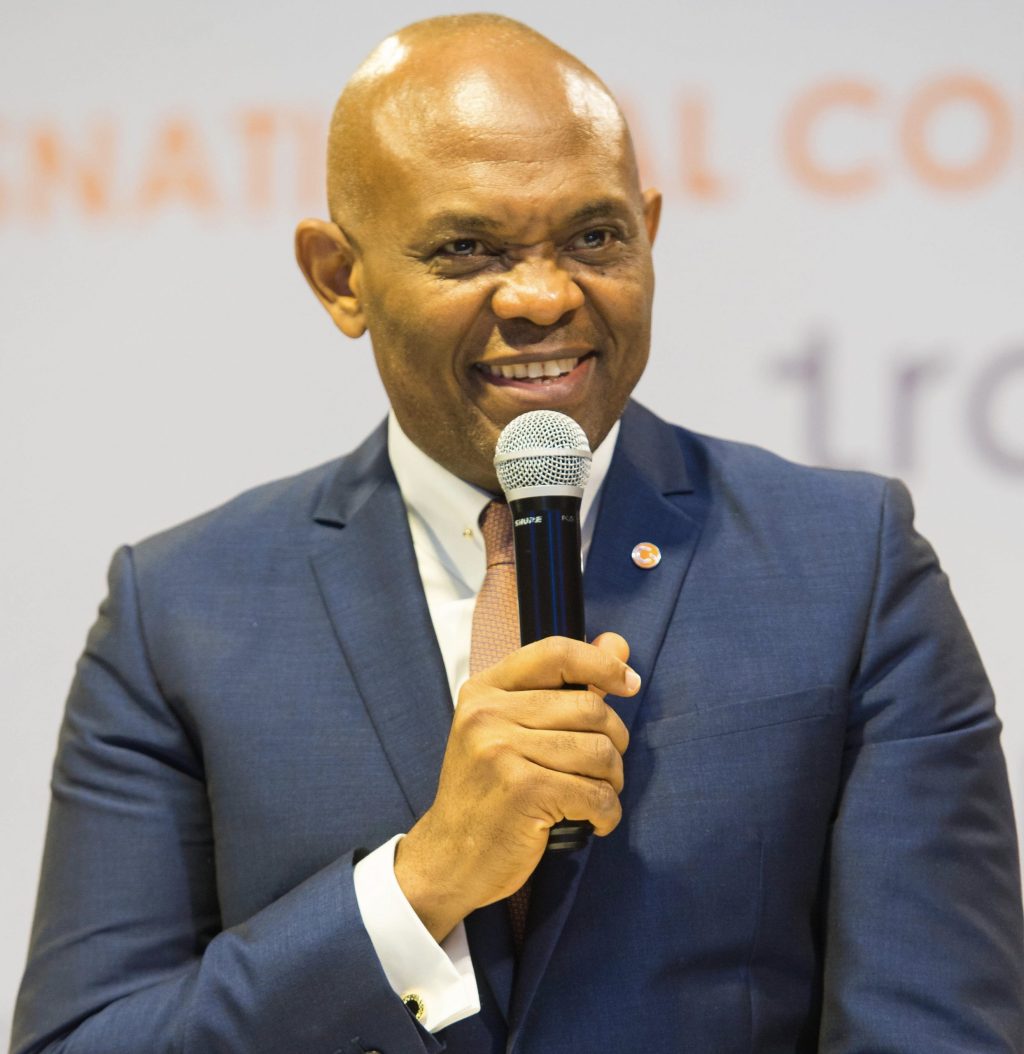
Tony Elumelu: A Life of Purpose, A Legacy of Giving
The regional investment initiative aims to connect infrastructure projects with potential financiers, but its success will depend on securing funding, creating jobs and delivering measurable benefits for businesses and communities.
West Africa’s efforts to close its infrastructure gap are receiving renewed attention as a regional investment initiative targets a pipeline of at least $15 billion ahead of a major summit scheduled for November 2026 in Sierra Leone.
Tony Elumelu, chairman of Heirs Holdings and co-chair of the West Africa Integration and Investment Summit, is backing the initiative, which seeks to connect infrastructure projects across the region with potential investors and financial institutions.
According to information released by the summit’s organisers, the initiative received 170 project submissions, from which 26 projects valued at more than $10 billion were selected across over 10 countries. Organisers are targeting a pipeline of at least $15 billion ahead of the summit.
The proposed portfolio spans energy, trade and industrialization, strategic minerals, agribusiness and digital transformation.
The initiative comes as businesses across West Africa continue to contend with infrastructure constraints that affect electricity access, transportation, production costs and regional trade.
However, the proposed $15 billion represents a targeted investment pipeline, not funding already secured or projects already completed. The central question is whether the initiative can convert its ambitious targets into infrastructure that improves livelihoods, supports businesses and advances sustainable development.
Why West Africa Needs Infrastructure Investment
Infrastructure plays a significant role in determining how effectively businesses operate and how easily people access essential services and economic opportunities.
Unreliable electricity can increase operating costs for manufacturers and small businesses. Poor transport networks can make it more expensive to move agricultural produce, while inadequate digital connectivity can limit access to customers, information and financial services.
These challenges can particularly affect small and medium-sized enterprises, which often have fewer resources to absorb rising operating costs.
Investment in energy systems, transport infrastructure, industrial facilities and digital networks could help address some of these constraints. Improved infrastructure can reduce business costs, strengthen productivity and support the movement of goods and services across borders.
For farmers, better storage and processing facilities could help reduce post-harvest losses and improve access to markets. For manufacturers, more reliable electricity and efficient logistics could support production and competitiveness.
The benefits, however, depend on whether infrastructure is developed in the right locations, responds to genuine needs and remains affordable and accessible to the people and businesses it is intended to serve.
From Investment Pipeline to Actual Funding
One of the initiative’s central objectives is to connect project developers with potential financiers.
The selection of 26 projects from 170 submissions provides a pipeline for further consideration by investors. Financial institutions identified as expected reviewers include United Bank for Africa, the African Export-Import Bank, Africa Finance Corporation and Africa50.
Their involvement could help project developers explore financing options and address the requirements needed to advance their proposals.
Nevertheless, being included in a pipeline does not guarantee that a project will receive funding. Projects must demonstrate financial viability, sound planning, manageable risks and credible implementation arrangements before financing can be secured.
Infrastructure projects can also face delays arising from regulatory approvals, land acquisition, procurement challenges and changes in financing conditions.
The next stage will therefore be critical. Stakeholders will need to establish which projects attract financing, how much capital is committed, when implementation begins and what safeguards are in place.
For the region, the value of the initiative will depend on the projects that progress beyond the investment stage and the results they eventually deliver.
What Could the Investment Mean for Jobs and SMEs?
Infrastructure investment can create employment during construction and generate further opportunities when completed projects become operational.
Construction companies, engineers, technicians, logistics providers and other service businesses may benefit directly. Improved infrastructure can also create opportunities for local suppliers and smaller enterprises operating in connected sectors.
For example, agricultural businesses could benefit from improved storage, processing and transportation facilities. Manufacturers may gain from more reliable power, while digital businesses could reach more customers through improved connectivity.
Young people could also benefit from employment and skills-development opportunities in engineering, renewable energy, construction, technology and infrastructure management.
However, these benefits are not automatic.
Large projects may rely on established contractors, imported equipment and specialized suppliers, leaving smaller local businesses with limited opportunities to participate.
To broaden the economic impact, project developers could establish transparent procurement processes, communicate supplier requirements early and provide opportunities for qualified local businesses to compete for contracts.
Training programmes could also help workers acquire the technical skills required during construction and throughout the operational life of the infrastructure.
Importantly, reporting should distinguish between temporary construction jobs and sustained employment. The number of jobs created, their quality and the extent to which local people benefit will provide a clearer measure of the initiative’s contribution to inclusive economic growth.
Can the Infrastructure Push Support Environmental Sustainability?
The scale of infrastructure investment also raises questions about environmental responsibility.
Energy projects, industrial developments, transport networks and mining-related infrastructure can affect land, water resources, biodiversity and nearby communities. The nature of these risks will depend on the specific projects selected and how they are implemented.
Environmental and social assessments should therefore be integrated into project planning, alongside consultation with affected communities and appropriate measures to prevent or reduce harm.
Energy investment presents an important consideration. Expanding reliable electricity access could support economic activity and improve access to essential services, while investment in renewable energy and energy efficiency could contribute to lower-emission development where technically and economically appropriate.
Agricultural and industrial infrastructure also requires careful planning to ensure that increased production does not come at the expense of natural resources or community livelihoods.
For projects involving land or natural resources, transparent decision-making and effective safeguards are particularly important.
Sustainable infrastructure should not be measured solely by the assets constructed or the capital invested. Its environmental footprint, resilience and long-term contribution to communities must also be considered.
Why Regional Cooperation Matters
West Africa’s infrastructure needs extend beyond individual national borders.
Efficient transport connections, cross-border energy systems and reliable digital networks can help countries strengthen trade and expand access to regional markets.
For businesses, better regional connectivity could reduce transportation costs, improve the movement of goods and make it easier to serve customers across multiple countries.
Yet physical infrastructure alone cannot guarantee successful regional integration. Differences in customs procedures, regulations and administrative requirements can continue to create barriers for businesses even where transport networks improve.
Governments will therefore need to complement infrastructure investment with stronger regulatory cooperation and practical measures that facilitate cross-border trade.
This is especially important for smaller businesses seeking to expand beyond their domestic markets. The benefits of regional infrastructure will be greater when businesses can access the networks and operate within a predictable commercial environment.
The proposed investment initiative could provide a platform for advancing these connections, but its contribution will depend on how effectively participating countries coordinate implementation.
Measuring Impact Beyond the $15 Billion Target
The proposed investment pipeline offers a potential route for mobilizing capital towards infrastructure development. However, the size of the pipeline alone cannot establish whether the initiative will achieve its intended development outcomes.
A credible assessment will require tracking progress from project selection through financing, construction and operation.
Key indicators should include the amount of capital formally committed and disbursed, the number of projects completed, jobs created and sustained, and the participation of local businesses in procurement.
Other measures should reflect the purpose of individual projects, including improvements in electricity access, reductions in transportation costs, better digital connectivity and increased agricultural processing capacity.
Environmental performance and community benefits should also be assessed. Depending on the project, this could include energy efficiency, emissions, waste management, local employment and the effectiveness of community consultation.
Public reporting would help governments, investors, businesses and communities understand which targets have been achieved and where challenges remain.
For Tony Elumelu and other stakeholders backing the initiative, the ultimate test will not simply be whether the pipeline reaches $15 billion, but whether the projects attract financing and deliver results that can be independently assessed.
Turning Ambition into Lasting Development
Tony Elumelu’s backing of the regional infrastructure initiative places attention on the role of private-sector capital and collaboration in addressing West Africa’s development challenges.
If the proposed projects secure financing and are implemented effectively, they could improve infrastructure access, strengthen businesses and create employment opportunities across the region.
But investment announcements are only an initial step. Delivering sustainable development requires viable projects, transparent financing arrangements, environmental and social safeguards, and clear evidence of the benefits reaching local communities.
The initiative’s progress should therefore be assessed not only by the value of its proposed investments, but also by the quality of the infrastructure delivered and the economic opportunities it creates.
For West Africa, the $15 billion ambition presents an opportunity to address longstanding infrastructure constraints. Whether it becomes a meaningful development milestone will depend on the region’s ability to turn proposed projects into functioning assets that support businesses, protect communities and contribute to long-term economic resilience.
DON’T JUST ANNOUNCE YOUR IMPACT. PROVE IT.
CSR REPORTERS helps organisations verify, assess, document and communicate the real impact of their CSR and sustainability initiatives.
Project Verification | Beneficiary Feedback | Impact Assessment | Impact Storytelling | Stakeholder Engagement
Have an initiative worth documenting? Let us verify it. Document it. Tell the story.
Talk to CSR REPORTERS
enquiries@csrreporters.com
📞 Call/WhatsApp: 0803 401 2198 | 0903 329 6374 | 0905 024 4468 | 0803 209 8499
www.csrreporters.com