CSR Personality of the Week: Lolade Awogbade Builds the Systems Behind Nigeria’s Climate Ambition
 csrreporters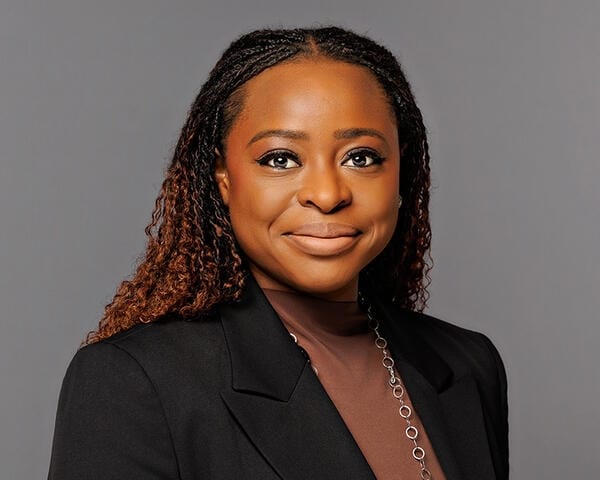
Climate talks reward the loudest voices. However, climate finance rewards something quieter. It rewards institutions that donors can trust. Lolade Awogbade has spent her career building exactly those institutions.
Her work also sits at the centre of two Nigerian stories this week. First, public companies must submit their IFRS sustainability reporting plans to the SEC by October 15. Meanwhile, Nigerian negotiators are preparing for COP31 in Antalya. Awogbade’s work touches both.
A New Role at a Defining Moment
In June 2026, Awogbade became Green Growth Adviser at the UK’s Foreign, Commonwealth and Development Office (FCDO). The move ended nearly seven years at the Development Bank of Nigeria (DBN). There, she led sustainability, ESG and climate finance. She also holds a 2026 Yale Emerging Climate Leaders Fellowship.
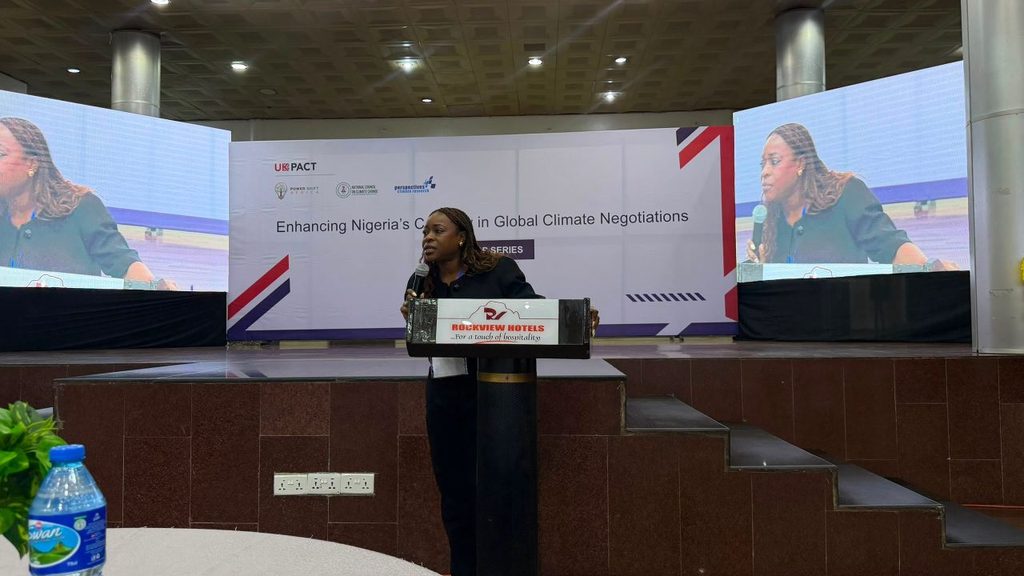
Her new role is already visible. Recently, she opened a four-day workshop in Abuja for Nigerian climate negotiators. UK PACT and the FCDO backed the programme, which trains negotiators and pairs them with mentors. She says the goal is to pass that knowledge on sustainably.
Her reading of the moment is hopeful. For a few years, she says, Nigeria’s voice at the table was not loud enough. As a result, delegations often left with little to show. This year feels different to her. Negotiators are revisiting NDC 3.0 and sharpening their goals for COP31 Antalya. She writes that she sees “the embers” and wants to keep fanning them.
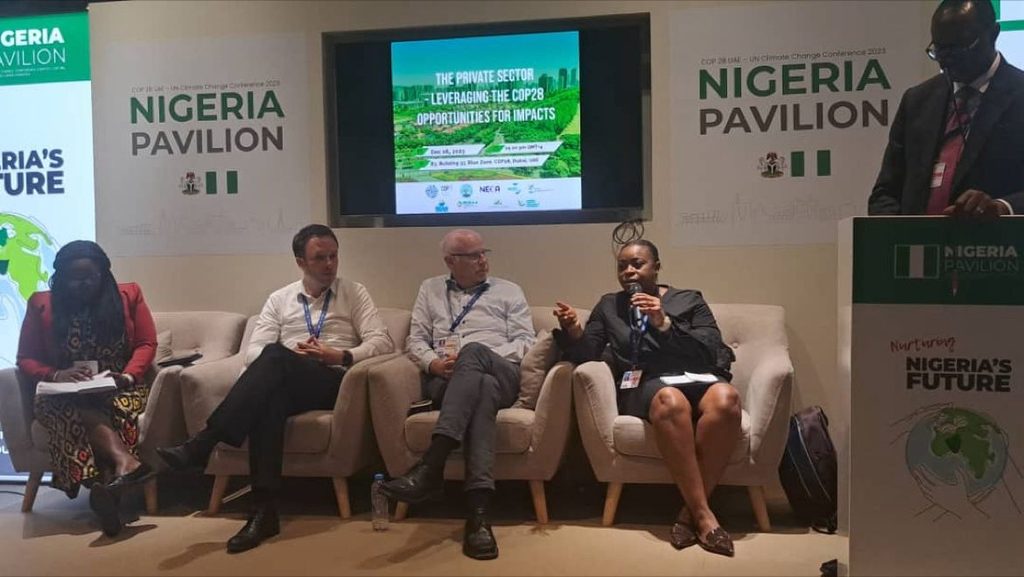
The Work That Opened Doors at DBN
At DBN, Awogbade led the bank’s wider sustainability, ESG and climate finance agenda. The bank finances small businesses, and it reports reaching over 400,000 of them. She also had a central role in securing Nigeria’s access to the Green Climate Fund (GCF).
That access matters because climate pledges and delivery rarely match. A Yale write-up captured her candour on that gap between global pledges and what reaches Africa. She explained that DBN had to justify why the GCF could trust its government structures. To do so, the bank worked through key frameworks. As a result, DBN can now channel concessional and blended finance into Nigeria’s financial system.
The panel’s takeaway was blunt. Climate ambition is not the constraint. Instead, weak systems and low institutional trust hold finance back. She also pointed to Ethiopia’s Grand Renaissance Dam as proof that African-built financing mechanisms can work.
Read Also: Can New Green Climate Fund Improve Sustainability in Africa?
Beyond a Single Fund
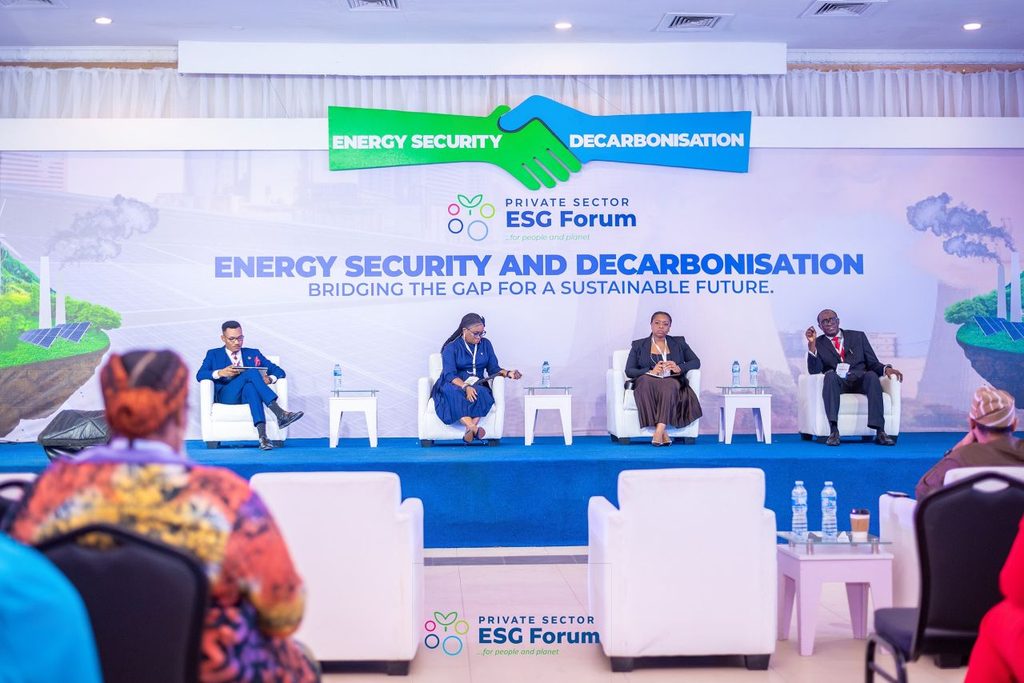
However, her record at DBN goes well beyond one fund. She helped design and operationalise the Nigeria Climate Change Fund. She also supported mobilising more than €25m in international climate finance, including KfW funding. That money flowed through local financial institutions to scale green and transition finance.
In addition, she convened a Sustainability Community of Practice for Nigerian banks. The platform builds ESG capacity and encourages peer learning. It gives banks a place to compare notes and align with global practice.
Moreover, she leads ESG, impact and integrated reporting that follows international standards and improves transparency. She also coordinates CSR and social investment programmes across Nigeria. Those programmes tie interventions to development outcomes and inclusion goals. Few sustainability leaders join boardroom finance and community work this directly.
From Consultant to Systems Builder
Her path began in consulting, from 2007 to 2013, she worked at Accenture. Her projects spanned West Africa, from new product launches to bank integrations. Notably, one project aligned the SEC’s procurement processes with the Federal Government’s Procurement Act.
Later, she joined Chams Plc and became Head of Strategy and Corporate Planning. There she was part of the core team behind the Bank Verification Number (BVN). She writes that since then, every bank branch visit brings her an inward smile. In fact, she calls it a major career milestone.
Then, in 2015, she joined Union Bank. She rose from sustainability champion to Head of Citizenship and Sustainability. Her sustainability career therefore predates Nigeria’s current ESG rush. Overall, a pattern emerges, each role involved building a system that others rely on.
What Comes Next
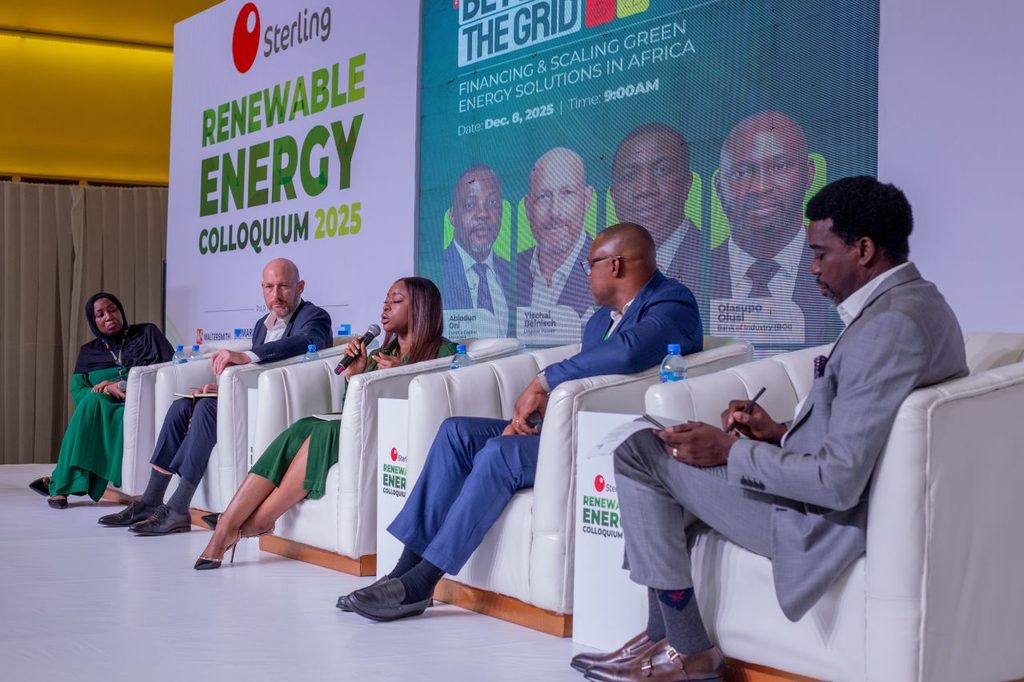
Awogbade will lead a discussion at MoonShot by TechCabal on October 28 and 29. Her topic is climate data as a competitive advantage and she says the conversation has shifted once climate-related data becomes a source of advantage. Meanwhile, IFRS S2 will push companies to produce reliable climate data. Her topic therefore fits the moment.
Her work rarely draws headlines. Still, the access, trust and capacity she builds decide whether Nigeria’s climate goals become reality. For that reason, Lolade Awogbade is our CSR Personality of the Week.
[give_form id="20698"]