


Dangote Refinery IPO Could Redefine Nigeria’s Capital Market
 EKWEMUKA IFEANYI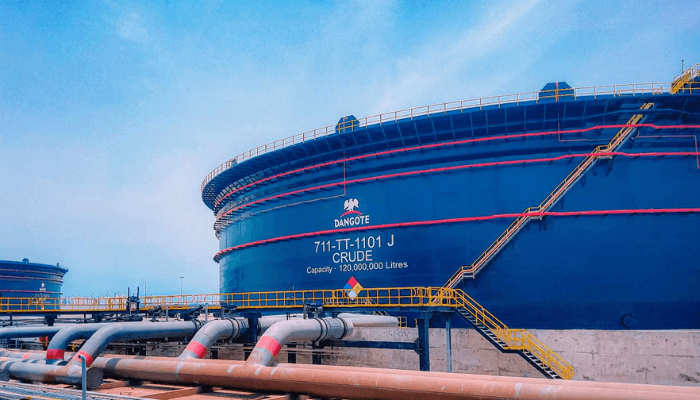
Nigeria’s capital market could be heading toward one of its most significant listings. Dangote Petroleum Refinery is preparing for a planned listing on the Nigerian Exchange. The proposed transaction is expected to attract substantial attention from domestic and international investors.
The refinery has been valued at approximately $39.1 billion in recent fundraising plans. The valuation was also cited in connection with a planned $1 billion private placement. The company is reportedly targeting a public listing around September 14, 2026.
The proposed transaction has the potential to reshape the structure of Nigeria’s listed equity market. However, the final size, pricing and proceeds of any public offering will depend on the completed transaction.
Why the Listing Matters
Nigeria’s stock market has historically had a relatively small number of extremely large companies. The addition of a company valued at tens of billions of dollars would significantly alter that structure.
It could make the refinery one of the largest securities on the Nigerian Exchange and increase the exchange’s overall market capitalisation. It could also attract greater attention from institutional investors.
Pension funds, asset managers and foreign investors could become major participants. The listing could also improve liquidity if significant shares become available for public trading.
A successful transaction would demonstrate that Nigeria can support large-scale capital-market transactions. That could strengthen the country’s reputation among international investors.
From Private Enterprise to Public Ownership
Public listings allow companies to raise capital from a broader pool of investors. They also provide opportunities for citizens and institutions to participate in corporate ownership.
For Dangote Refinery, a listing could support future expansion plans. The refinery is already one of Africa’s largest industrial projects. Its scale means that its financial performance could have broader implications for Nigeria’s energy sector.
The refinery has been positioned as a major contributor to domestic petroleum supply. Its operations could also influence Nigeria’s dependence on imported refined petroleum products. Greater domestic refining capacity can potentially reduce pressure on foreign exchange associated with fuel imports. However, the refinery’s long-term performance will depend on operational efficiency and market conditions.
Capital Markets and Industrial Development
The proposed IPO also highlights the relationship between industrial development and capital markets. Large infrastructure and industrial projects require substantial amounts of capital. Banks alone may not always be able to provide the financing required.
Capital markets can mobilise savings from pension funds, institutional investors and individuals. A successful listing can therefore help connect large businesses with long-term domestic capital.
Nigeria has a large pool of pension assets that can potentially support productive investments. However, investment decisions must remain based on risk, governance and expected returns. Large companies should not receive capital simply because they are nationally important. They must continue demonstrating strong corporate governance and financial discipline.

The ESG Question
A refinery listing also creates an important sustainability conversation. Oil refining is an energy-intensive industrial activity. Refineries can have significant environmental impacts if emissions, waste and water use are poorly managed.
As the refinery enters public markets, investors may increasingly scrutinise its environmental performance. That means sustainability disclosure could become an important part of investor relations. The company will need to demonstrate how it manages emissions and other environmental risks. Worker safety will also remain important given the complexity of refinery operations.
Community relations around industrial facilities are another significant consideration. Strong governance will be essential as ownership expands. Public shareholders will expect reliable financial and non-financial disclosures.
Why Nigeria Should Pay Attention
The potential listing offers Nigeria an opportunity to deepen its capital market. It could increase the number of globally visible Nigerian companies. It could also encourage other large private businesses to consider public ownership.
A successful transaction would demonstrate that Nigeria can attract significant investment through its domestic exchange. However, the country must ensure that market infrastructure keeps pace with larger transactions.
Regulation, transparency and investor protection will be essential. Nigeria also needs to encourage broader participation from retail investors.
Large IPOs can become powerful tools for wealth creation when ordinary investors can participate responsibly. Investor education will therefore be important. Potential shareholders need to understand both the opportunities and risks associated with major listings.
A Wider African Opportunity
The proposed refinery listing has implications beyond Nigeria. Africa needs deeper capital markets to finance infrastructure and industrialisation. Large African companies often depend heavily on foreign financing. Developing stronger domestic exchanges could help retain more capital within the continent.
Nigeria’s experience could provide a useful model for other African economies. If the listing succeeds, it could demonstrate the capacity of an African exchange to absorb major industrial assets. That could encourage more companies to explore local listings.
However, the market must also demonstrate that strong governance accompanies size. A large company can only become a sustainable investment if it manages financial, environmental and social risks effectively.
The Dangote Refinery IPO is therefore bigger than a single corporate transaction. It could become a test of Nigeria’s capital-market depth. It could also demonstrate how domestic markets can support major African industrial enterprises.
For investors, the focus will ultimately be on value and risk. For Nigeria, the bigger opportunity is building a stronger market capable of financing the country’s next generation of industrial growth.
Follow CSR Reporters. Stay informed on the companies, investments and economic developments shaping Nigeria and Africa’s business landscape.
[give_form id="20698"]


2 thoughts on “Dangote Refinery IPO Could Redefine Nigeria’s Capital Market”