ROSEMARY IMOBHIO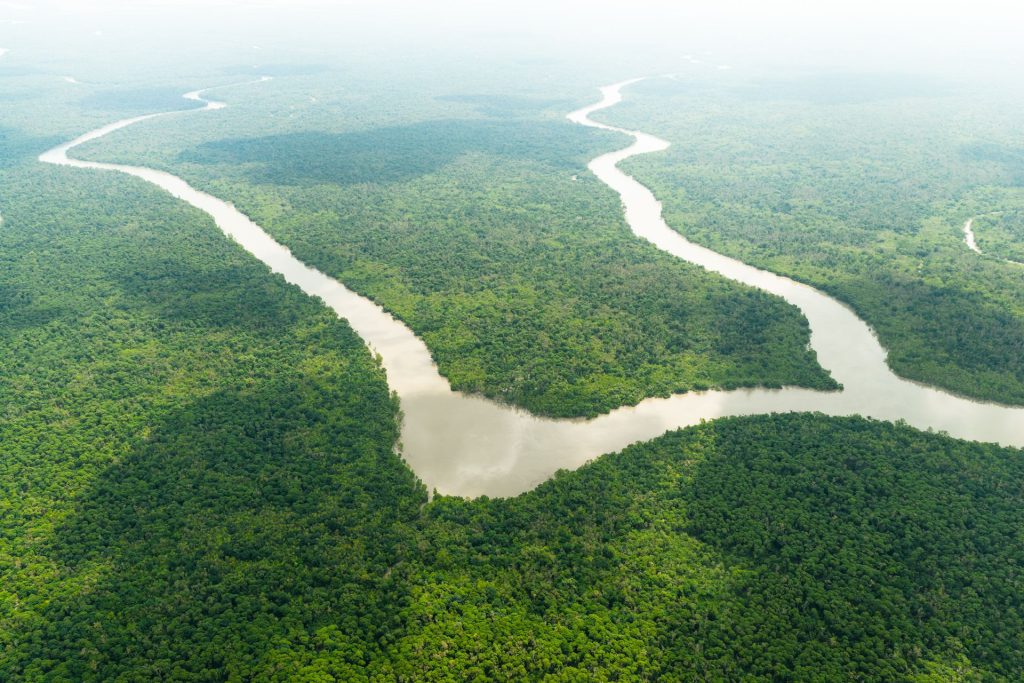
Global deforestation fell by 15% in 2025, yet tropical Africa moved in the opposite direction. The Forest Declaration Assessment 2026, published on October 14, estimates that just over 7 million hectares of forest were lost to deforestation worldwide last year. Tropical Africa accounted for about 2.43 million hectares of that loss, an increase of 1.4% on the previous year. The contrast matters because a falling global number can hide systems that have not changed.
What The Forest Assessment Actually Measures
The assessment tracks progress towards the 2030 goal of halting and reversing deforestation and forest degradation. On its estimate, the world remains about 70% off track from the pathway needed to reach that goal. Since 2021, cumulative forest losses have exceeded the projected pathway by 10.7 million hectares. In other words, a good year has not erased a poor starting position.
The distinction between deforestation and degradation also deserves attention. Deforestation means tree cover is cleared and the land is converted to another use. Degradation is quieter, because the canopy remains while the forest loses density, biodiversity or carbon value.
The assessment estimates that a net 65.4 million hectares of forest shifted to a lower ecological integrity category worldwide in 2024. Tropical moist forest degradation declined globally but rose in tropical Africa, so the damage extends well beyond cleared land (1).
Why The Congo Basin Sits At The Centre
The Congo Basin lost approximately 2.4 million hectares in 2025. That brings its annual loss close to the level recorded in tropical Latin America. This is a region long associated with the world’s largest forest losses. Africa’s share of the problem is therefore growing as other regions improve.
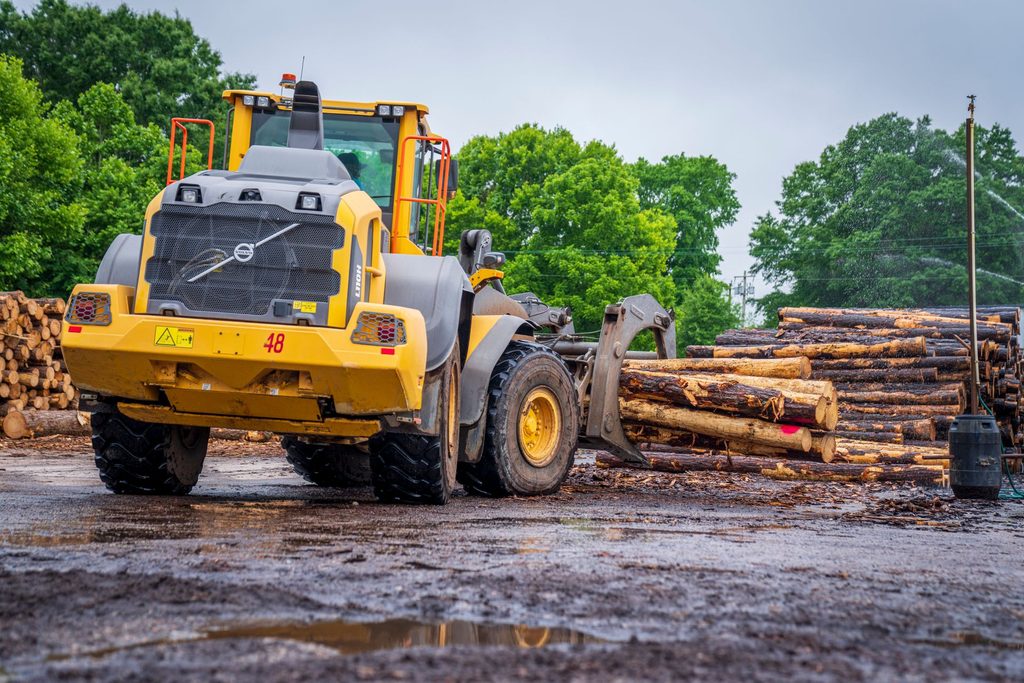
The pressures are familiar. Agricultural expansion, logging, mining and infrastructure all compete for land, and weak enforcement allows the least accountable activity to prevail. Insecure community land rights and thin public resources compound the problem, since the people closest to forests often lack legal protection and funding to defend them.
This is not a choice between development and conservation. Forests support livelihoods, regulate water, buffer farms against climate shocks and store carbon. Poorly governed extraction and short-term land conversion can erode those assets, which means the cost of weak governance eventually falls on African economies and communities.
The Corporate Responsibility Gap
The assessment suggests that regulation and traceability are beginning to influence corporate behaviour. However, delays and weakening voluntary commitments show the limits of that influence. A sustainability statement describes intent, while forest outcomes depend on purchasing, lending and operational decisions.
Exposure also differs across the value chain. Commodity producers control land use directly. Buyers shape demand and can require deforestation-free sourcing. Lenders and insurers decide which activities receive capital and cover, while infrastructure developers open access to previously remote forest. Each group therefore carries a different obligation, and treating them alike would blur accountability.
Credible action looks practical rather than rhetorical. Depending on exposure, companies need supplier traceability, environmental due diligence, disclosure of material nature-related risks and monitoring of land-use impacts. Most importantly, they must show that operations match public pledges.
Following the Forest Money
The financial findings sharpen the contradiction. Annual international public finance for forests more than tripled to USD 6.1 billion during 2022 to 2025. Even so, that sum equals only about 1% of annual spending on potentially harmful agricultural subsidies. Conservation money is growing, but it is dwarfed by incentives that may point the other way.
Private finance shows a similar gap. Of the 150 financial institutions most exposed to forest-risk commodities, 89 still had no deforestation policy. These figures describe exposure and policy gaps, not proven harm. Not every subsidy or exposed lender drives deforestation. Still, an institution without a policy cannot show it is managing the risk.
For banks, insurers, investors, development finance institutions and governments, the implication is direct. Deforestation risk belongs in capital allocation, climate finance and nature-related risk management. Otherwise, responsible investment claims lose credibility.
Why Pledges Are Not Enough
Changing political priorities and uneven enforcement have exposed how fragile voluntary initiatives can be. Durable rules, transparent land-use decisions and effective institutions give forests protection that outlasts a single election or corporate strategy. Enforceable land rights for Indigenous Peoples and local communities, reliable funding and a fair share of forest benefits belong in that mix.
The European Union Deforestation Regulation shows how market rules can reshape supply chains. For African producers, traceability could open doors to buyers who need verified sourcing. Yet compliance costs may fall hardest on smallholders, who often lack the data systems and capital to document their supply. Without support, a rule meant to protect forests could push the smallest producers out of the market.
Read: Cameroon Warns EU Rules Could Hurt Cocoa Farmers
What Meaningful Progress Would Look Like
The findings point to a handful of priorities for African governments, companies and financial institutions. Transparent environmental licensing and stronger action against illegal logging would address weak enforcement directly. Responsible agricultural, mining and infrastructure investment, backed by better commodity traceability, would reduce pressure at the source. Meanwhile, financial policies should discourage forest destruction and reward credible conservation.
Communities need secure land rights and accessible funding. Sustainable agriculture, agroforestry, restoration and alternative livelihoods give them reasons to keep forests standing. Progress should be judged by measurable changes in forest loss, degradation, financing decisions, supply-chain practices and community outcomes, not by the number of commitments announced.
Judging Promises By Forest Outcomes
Global deforestation declined, yet the drivers behind forest loss remain insufficiently addressed, and tropical Africa shows the consequences. The credibility of the 2030 commitment will depend on whether governments, companies and financial institutions turn promises into enforceable policy, responsible investment and measurable results.
Forest protection is no longer only a conservation concern. It is tied to economic resilience, climate risk, livelihoods and the credibility of sustainability governance itself.
References
- Forest Declaration Assessment Partners. (2026). Forest Declaration Assessment 2026. Climate Focus (coordinator and editor). Accessible at www.forestdeclaration.org.
| DON’T JUST ANNOUNCE YOUR IMPACT. PROVE IT. CSR REPORTERS helps organisations verify, assess, document and communicate the real impact of their CSR and sustainability initiatives. Project Verification | Beneficiary Feedback | Impact Assessment | Impact Storytelling | Stakeholder Engagement Have an initiative worth documenting? Let us verify it. Document it. Tell the story. Talk to CSR REPORTERS enquiries@csrreporters.com 📞 Call/WhatsApp: 0803 401 2198 | 0903 329 6374 | 0905 024 4468 | 0803 209 8499 www.csrreporters.com |