FG Deepens Military Family Support as Defence Minister Signals Fresh Salary Increase
 ONYINYECHI NWAIGBA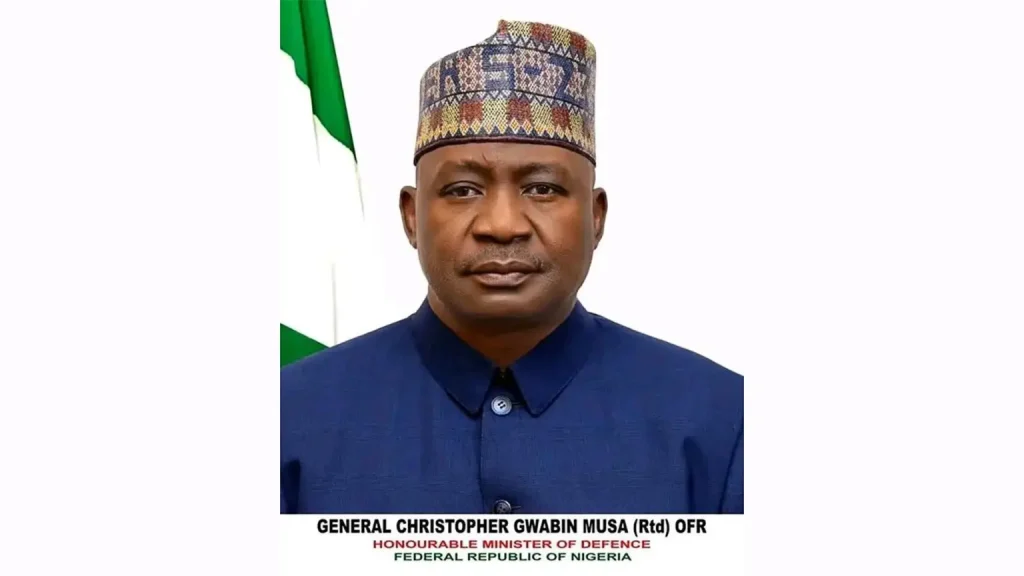
The Federal Government has reaffirmed its commitment to strengthening the welfare of members of the Armed Forces and their families, with the Minister of Defence, Gen. Christopher Musa (Rtd.), revealing that President Bola Ahmed Tinubu is expected to announce another salary increase for military personnel.
The announcement came during a one-day entrepreneurship and financial empowerment workshop for widows and wives of service personnel at Lungi Barracks, Abuja, where the government also unveiled initiatives aimed at improving the economic resilience of military families.
Organised by the Ministry of Defence in partnership with the Small and Medium Enterprises Development Agency of Nigeria (SMEDAN), the workshop underscores a broader approach to military welfare—one that extends beyond salaries to include financial security, entrepreneurship, and family support.
Fresh Pay Review for Military Personnel
Speaking at the event, Musa disclosed that the Federal Government is pursuing another upward review of soldiers’ salaries, following an earlier increase that raised the monthly earnings of personnel from ₦49,000 to ₦100,000.
He explained that the previous review was part of efforts to improve troop welfare and acknowledged that discussions are ongoing to secure another increase.
According to the minister, President Tinubu understands the sacrifices made by members of the Armed Forces and remains committed to ensuring they receive better remuneration.
While no timeline or figures were announced, Musa expressed confidence that the President would soon make the official announcement.
The proposed salary review comes as Nigeria’s military continues to confront security challenges across different parts of the country, with thousands of personnel deployed in demanding operational environments for extended periods.
Supporting the Families Behind the Uniform
Beyond the anticipated salary increase, the Defence Minister emphasised that the well-being of military personnel cannot be separated from the welfare of their families.
He noted that soldiers often spend long periods away from home while undertaking difficult assignments, leaving spouses and dependants to manage households under challenging circumstances.
According to Musa, recognising and supporting these families is essential to maintaining the morale and effectiveness of the Armed Forces.
He paid tribute to spouses for their resilience and steadfast support, describing them as silent partners in Nigeria’s security efforts.
The minister also acknowledged the sacrifices of widows whose husbands died while serving the country, describing their courage and perseverance as an enduring source of inspiration.
He stressed that a strong military is built not only on capable personnel and modern equipment but also on families that are financially stable and emotionally supported.
“When military families are economically secure, they are better positioned to withstand the unique demands of military life. This gives service personnel the confidence that their loved ones are well supported, allowing them to concentrate fully on their operational responsibilities,” he said.
Entrepreneurship as a Welfare Strategy
The entrepreneurship workshop formed the centrepiece of the government’s latest welfare initiative.
According to Musa, the programme was designed to equip widows and spouses of service personnel with practical business and enterprise management skills that would enable them to establish sustainable businesses and generate additional sources of income.
Rather than focusing solely on financial assistance, the initiative aims to provide participants with skills that can create lasting economic opportunities.
The minister said strengthening the economic resilience of military families is an investment in national security because financially secure households enable service personnel to remain focused on their duties.
The programme also reflects a growing recognition that military welfare extends beyond operational allowances and salary packages to include long-term social and economic support for families.
SMEDAN Provides ₦25 Million Grant
As part of the programme, SMEDAN disbursed ₦25 million to 500 widows and wives of soldiers serving on the frontlines.
The agency’s Director-General and Chief Executive Officer, Charles Odii, said the intervention aligns with the Federal Government’s efforts to promote entrepreneurship, expand economic opportunities and improve household livelihoods.
He explained that the support forms part of the administration’s broader enterprise development agenda, which includes a ₦200 billion intervention fund approved by President Tinubu to support businesses across Nigeria.
According to Odii, the package comprises a ₦75 billion single-digit interest loan for manufacturers, another ₦75 billion single-digit interest loan for small businesses, and ₦50 billion in grants targeted at nano-businesses, under which the beneficiaries of the military family empowerment programme fall.
He encouraged participants to invest the grants productively, noting that businesses demonstrating measurable growth could qualify for additional financial support in the future.
SMEDAN will also monitor beneficiaries’ businesses to ensure the funds are effectively utilised and to identify entrepreneurs eligible for expanded assistance.
Investing in Economic Resilience
The programme highlights an evolving understanding of military welfare in Nigeria.
While improved salaries remain important, policymakers are increasingly recognising that the financial stability of military households directly affects the well-being and performance of service personnel.
For spouses managing families during lengthy deployments and widows rebuilding their lives after losing loved ones in service, entrepreneurship offers an opportunity to achieve greater financial independence and long-term stability.
By combining skills development with access to seed funding, the initiative seeks to reduce economic vulnerability while encouraging self-reliance among beneficiaries.
Such interventions also complement broader national efforts to promote financial inclusion, support micro-enterprises and create sustainable livelihoods for vulnerable groups.
Why It Matters
Military families often experience unique social and economic pressures arising from deployments, frequent relocations and the risks associated with military service.
Supporting these families through targeted empowerment programmes not only improves household welfare but also contributes to the operational effectiveness of the Armed Forces by giving personnel greater confidence that their loved ones are secure.
The initiative also reflects a broader shift in public sector welfare programmes—from providing short-term relief to building long-term economic resilience through entrepreneurship and enterprise development.
For widows, in particular, access to business training and financial support can create pathways to self-sufficiency, helping them rebuild their lives while contributing to local economic development.
Beyond Welfare, Building Stronger Communities
The Federal Government’s latest intervention demonstrates that military welfare is increasingly being viewed through a broader social development lens.
The planned salary review addresses the immediate financial needs of serving personnel, while the entrepreneurship programme seeks to strengthen the households that support them every day.
Together, the initiatives recognise that national security depends not only on the dedication of those in uniform but also on the stability of the families who stand behind them.
As Nigeria continues to navigate complex security challenges, investments in military families represent more than welfare interventions, they are investments in resilience, community development and the long term effectiveness of the nation’s Armed Forces.
[give_form id="20698"]