csrreporters
When the chairman of Independent National Electoral Commission, Joash Amupitan, became the subject of a viral allegation suggesting partisanship, the response was swift and detailed. However, beyond the claims and counterclaims, two deeper questions emerge that deserve closer attention. Can any adult Nigerian truly be non-partisan, and should the credibility of an electoral system depend on individual neutrality or on the strength of its processes?
There is a quiet irony in this situation. The Independent National Electoral Commission now faces questions about independence. The concern is whether its internal verification process appears truly independent to the public.
Ultimately, this matter goes beyond this moment and sits at the intersection of governance, accountability, and fairness. It also shapes how people judge institutions in times of pressure. More importantly, it can determine whether trust can be sustained beyond a single controversy.
On Neutrality: A Question of Reality
In a politically charged environment like Nigeria, expecting complete non-partisanship from any adult is difficult. People form opinions, hold preferences, and engage with political realities in different ways. That reality, however, does not automatically translate into institutional bias.
What it does highlight is the limitation of relying on personal neutrality as a safeguard. Systems that depend heavily on individual character are often vulnerable under scrutiny. Strong institutions, on the other hand, should ideally function regardless of personal inclinations.
Strong Systems Make Bias Irrelevant
The real goal of electoral governance is not to find perfectly neutral individuals. Instead, it is to build processes that are transparent, verifiable, and resistant to manipulation. This is where institutional strength becomes critical.
A credible system typically includes clear and traceable processes, internal checks that limit concentration of power, and external oversight mechanisms. It also provides independent avenues for verification outside the institution. When these elements are in place, trust shifts from individuals to systems, and that shift sustains credibility over time.
Strong systems do not assume neutrality, they make bias irrelevant.
Where the Optics Begin to Struggle
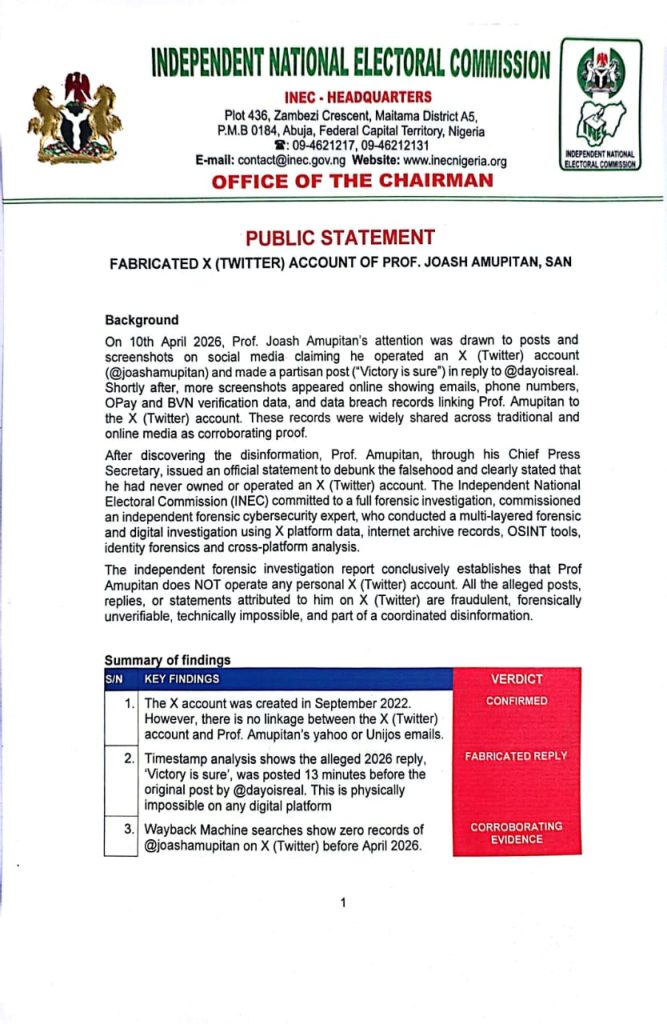
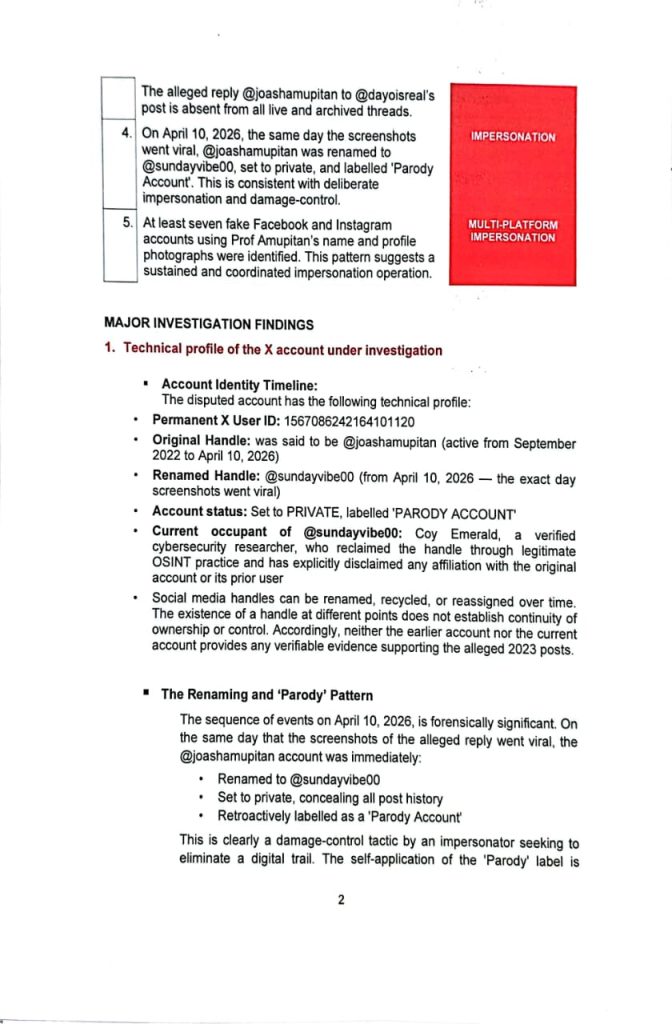
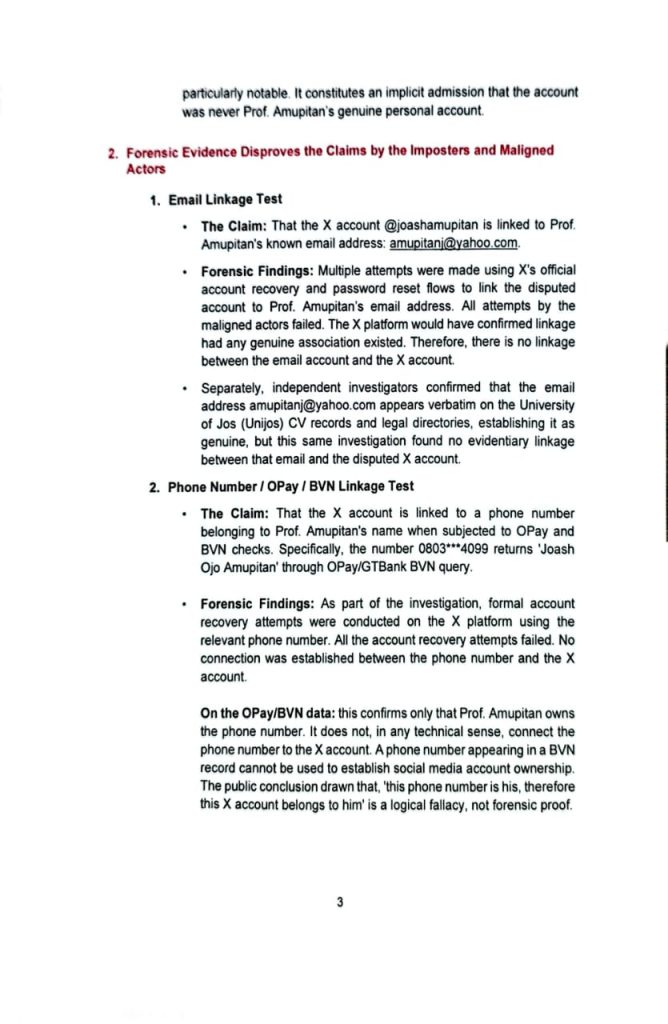
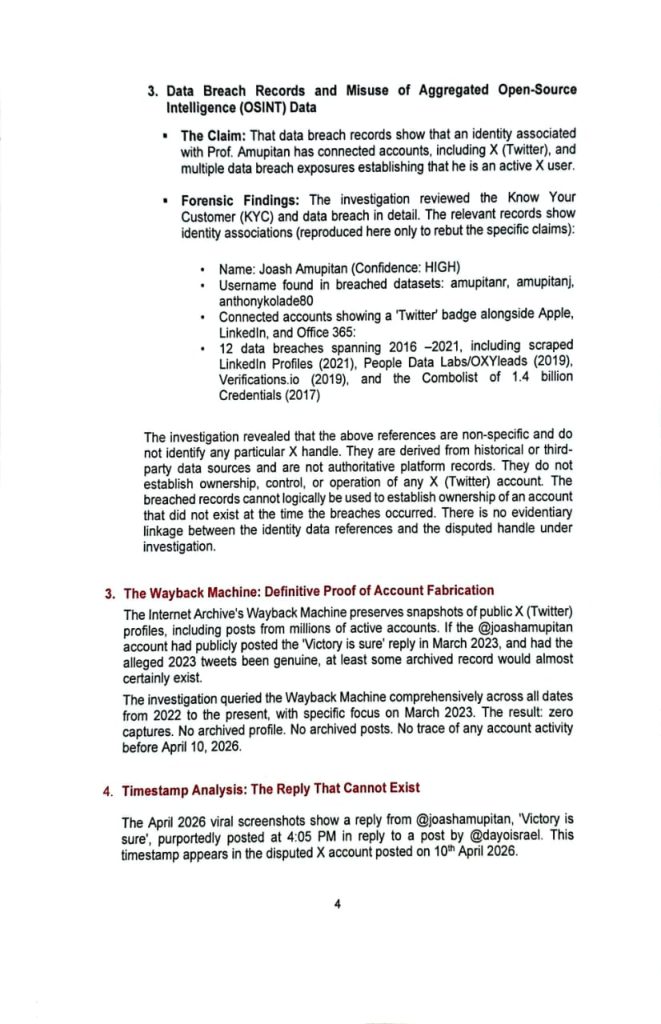
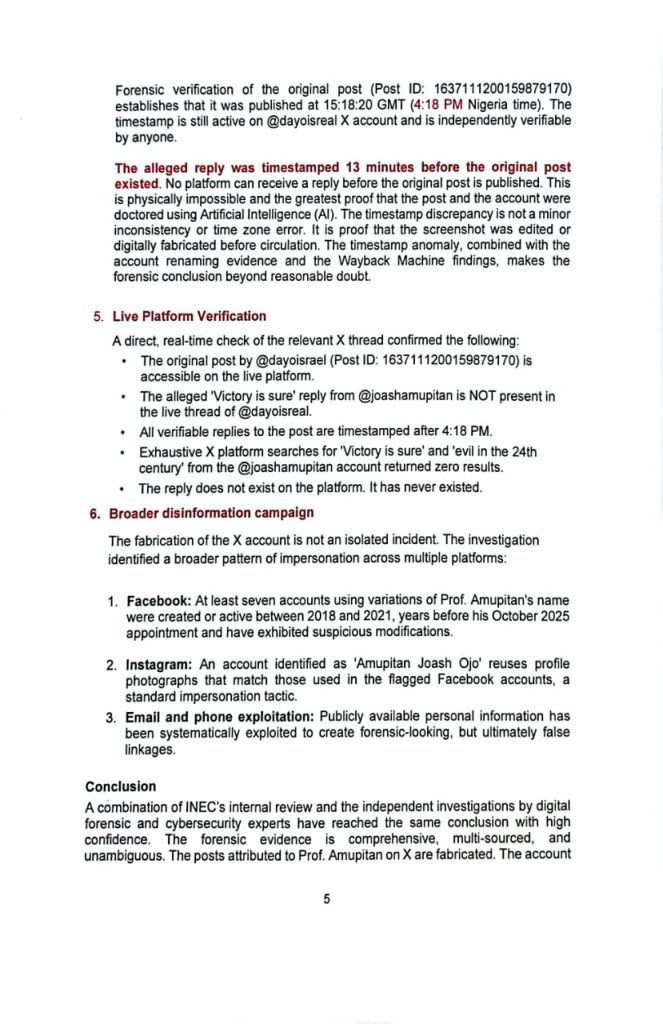
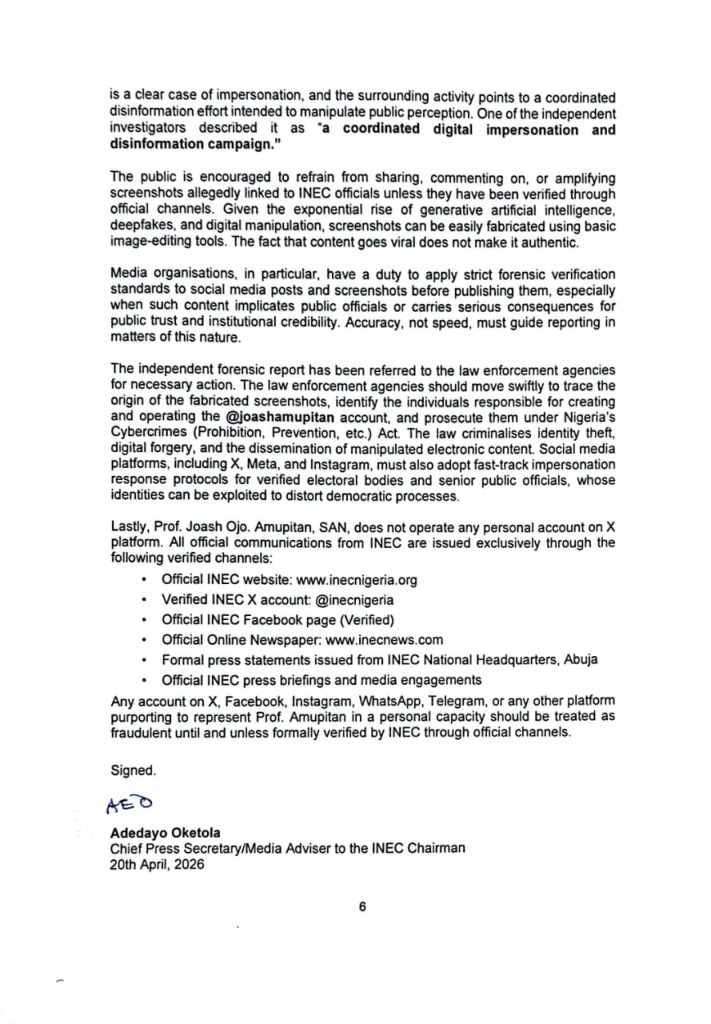
INEC’s statement presents a detailed account of its findings and references a forensic investigation into the allegations. It outlines technical inconsistencies and concludes that the claims are fabricated. However, one issue remains difficult to ignore.
INEC communicates the results of this investigation through the Office of the Chairman while addressing allegations concerning the Chairman. Even if every claim in the report is accurate, the structure of that process raises questions about perception. This is not a judgment on the findings, but rather an observation about how credibility is formed in the public space.
The Limits of Self-Verification
The statement mentions independent forensic experts, which would ordinarily strengthen confidence in the process. However, the public does not have direct visibility into those experts, their methods, or their level of independence beyond what INEC itself presents. As a result, the assurance remains internally framed.
This creates a circular dynamic where independence is asserted and validated within the same institutional voice. Even a well-conducted investigation may struggle to achieve credibility under these conditions. This limitation is not unique to INEC, as it appears across many sectors that rely on self-verification.
Why Process Matters More Than Position
In governance, credibility-building is a process, not a position. An institution cannot rely solely on its authority to validate its own conclusions. It must create pathways for stakeholders to independently examine and confirm those conclusions.
This is where transparency and accountability meet in practical terms. Transparency allows stakeholders to understand what was done, while accountability allows the external testing of those actions. Without both elements, trust remains fragile and easily contested.
The ESG Lesson Hidden in Plain Sight
This situation offers a clear parallel for businesses operating within ESG frameworks. Organizations often publish reports on sustainability, governance, and social impact, supported by internally generated data. However, without independent verification, those claims can face credibility challenges.
In such cases, stakeholders are asked to trust information produced by the same entity being assessed. That expectation is increasingly difficult to sustain in a climate of growing scrutiny. As a result, the gap between claims and confidence becomes more visible.
Why Independent Verification Changes Everything
Independent verification introduces a necessary distance between the subject and the assessment. That distance helps ensure that the entities the verification is evaluating do not control the findings. It also allows the external review of methodologies and conclusions.
Beyond process, it strengthens perception in a meaningful way. People are more likely to trust outcomes when they know the process was not entirely self-contained. This shift from internal assurance to external validation is what builds lasting credibility.
Independence is not just about being fair, it is about being seen to be fair.
Optics Are Not Secondary
There is often a tendency to treat optics as less important than facts. In reality, optics shape how your audience receives and interprets those facts. A technically sound investigation may still fail to convince if it appears internally controlled.
On the other hand, complex findings become easier to accept when there is independent validation. For institutions like INEC, and for businesses alike, this distinction carries real consequences. Credibility is not only about being right, it is also about being believed.
From Electoral Integrity to Corporate Responsibility
The connection between this situation and corporate ESG practice is direct and relevant. Both involve public trust, high-stakes decisions, and the need for transparent processes. Both also face the risk of perceived bias when internal assessments dominate.
In each case, independent verification serves a similar purpose. It reduces doubt, strengthens legitimacy, and protects reputation over time. That consistency across sectors makes the lesson difficult to ignore.
A Clear Takeaway for Institutions and Businesses
The lesson here is not about assigning blame or defending any position. It is about recognizing a structural gap that affects credibility. When institutions investigate themselves, even with the best intentions, trust becomes harder to establish.
The solution is not to discard internal processes. Instead, it is to strengthen them with visible and credible independent validation. That combination is what creates confidence that can withstand scrutiny.
Building Trust That Lasts
Trust is not built in moments of crisis alone. It is built through consistent and verifiable practices over time. For electoral bodies, this means designing systems that can stand up to external scrutiny.
For businesses, it means ensuring that ESG claims are not only accurate but independently confirmed. In both cases, the principle remains the same. Trust must be earned, and it must be proven.
A Final Thought
Moments like this remind us that credibility is shaped as much by process as by outcome. Institutions may present findings, but public confidence often depends on how independently those findings can be examined. That distinction continues to matter in governance and corporate responsibility alike.
For organizations navigating ESG responsibilities, third-party verification is increasingly becoming a quiet standard for doing things well. Platforms like CSR Reporters sit within that space by helping bridge internal claims and external confidence. Because at the end of the day, it is not just about what is done, it is about what can be trusted. Contact us for your independent verifications today!
[give_form id="20698"]