ONYINYECHI NWAIGBA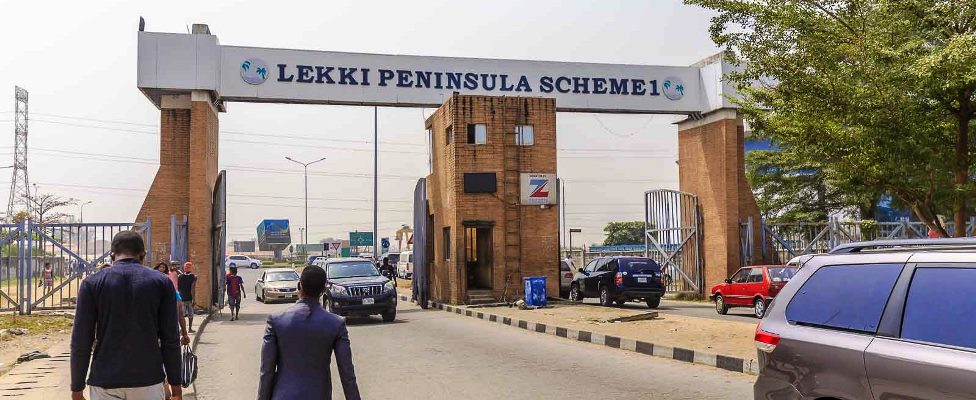
The average annual rent for a two bedroom apartment in Lekki Phase 1 has climbed to ₦10 million, marking the highest level recorded in the area over the past five years. While the figures reflect the continued appeal of one of Lagos’ most sought after residential locations, they also shine a spotlight on a much deeper issue: the growing affordability crisis confronting millions of Nigerians.
For many residents, the news is not surprising. Rental prices across Lagos have been rising steadily over the last few years, driven by inflation, increasing construction costs, rapid urbanisation, foreign exchange pressures, and persistent demand for housing in prime locations. However, crossing the ₦10 million mark represents more than another increase in property values. It raises important questions about who can still afford to live in Nigeria’s commercial capital and what this means for building inclusive, sustainable cities.
Housing is more than a financial asset. It is a basic human need, a driver of economic opportunity, and an essential component of social wellbeing. As rental prices continue to outpace income growth, access to decent housing is becoming increasingly difficult for many middle income earners, young professionals, and families.
A Growing Gap Between Income and Housing Costs
Lekki Phase 1 has long been regarded as one of Lagos’ premium residential districts. Its modern infrastructure, proximity to business hubs, quality schools, healthcare facilities, entertainment centres, and improved road networks have made it one of the city’s most desirable neighbourhoods.
Demand has remained consistently strong despite rising costs, helping to push rental prices to record levels. Yet the increase also reflects a widening disconnect between earnings and the cost of urban living.
For many Nigerian workers, salary growth has failed to keep pace with inflation and the rising cost of essential services. When rent alone consumes a substantial portion of annual income, households are left with fewer resources for healthcare, education, transportation, savings, and investments.
The result is that many professionals who contribute to the economic growth of Lagos increasingly find themselves priced out of the communities where they work.
This trend is not unique to Lekki. Similar patterns are emerging across other parts of Lagos as demand continues to exceed available housing supply, particularly in well planned neighbourhoods.
Housing Affordability Is a Sustainability Issue
Discussions about sustainability often focus on renewable energy, climate action, or environmental conservation. However, housing affordability is equally important within the broader sustainability agenda.
The United Nations Sustainable Development Goal 11 calls for cities and human settlements that are inclusive, safe, resilient, and sustainable. Affordable housing is one of the core targets under this goal because access to decent shelter influences health outcomes, education, economic participation, and overall quality of life.
When housing becomes unaffordable, cities become less inclusive.
Workers are pushed farther away from employment centres, resulting in longer commuting hours, increased transportation costs, greater traffic congestion, and higher carbon emissions. Families may relocate to areas with fewer public services or weaker infrastructure simply because they can no longer afford accommodation closer to their workplaces.
The social and environmental costs extend beyond individual households and affect the wider economy.
The Pressure on Lagos’ Urban Infrastructure
Lagos continues to experience rapid population growth as people migrate from different parts of Nigeria in search of employment and business opportunities. This growing population places enormous pressure on housing, transportation, healthcare, water supply, electricity, and other urban infrastructure.
Unfortunately, housing development has struggled to keep pace with demand.
Developers often face rising costs for land acquisition, construction materials, financing, and regulatory compliance. Inflation has significantly increased the prices of cement, steel, electrical fittings, finishing materials, and imported equipment.
These higher development costs are eventually transferred to buyers and tenants.
While luxury developments continue to attract investment, the supply of affordable and mid income housing remains inadequate. This imbalance creates an increasingly competitive rental market where prices continue to rise.
Beyond Real Estate: The Human Impact
Behind every rent increase are individuals and families making difficult financial decisions.
Young graduates entering the workforce now face greater barriers to independent living. Many postpone moving out of family homes because rental costs have become overwhelming.
Middle income families may be forced to relocate to more distant suburbs, increasing daily commuting expenses and reducing the time available for family life.
Small business owners operating in expensive neighbourhoods also experience indirect effects as employees demand higher wages to cope with rising living costs.
The affordability challenge therefore affects productivity, workforce stability, and employee wellbeing.
Employers may increasingly find themselves competing not only on salaries but also on housing support and flexible work arrangements that reduce commuting burdens.
What This Means for Corporate Responsibility
Housing has traditionally been viewed as the responsibility of governments and private developers. However, businesses also have a role to play in addressing affordability challenges.
Many organisations have expanded their environmental, social, and governance commitments beyond philanthropy to include employee wellbeing, financial resilience, and community development.
Providing housing allowances that reflect market realities, supporting flexible work policies, investing in staff transportation, or partnering with developers on workforce housing initiatives can strengthen employee welfare while improving productivity and retention.
Companies involved in real estate development also have an opportunity to balance commercial returns with social impact by incorporating affordable housing into broader development plans where feasible.
Responsible urban development does not mean eliminating profit. It means recognising that thriving cities require diverse communities, not just high income residents.
The Role of Government
Government intervention remains critical in addressing Nigeria’s housing deficit.
Expanding access to affordable housing requires coordinated action across multiple areas, including land administration, planning approvals, infrastructure development, mortgage accessibility, and financing for developers.
Policies that encourage mixed income housing, improve access to long term housing finance, reduce bureaucratic delays, and support infrastructure expansion can help increase housing supply over time.
Investment in reliable public transportation is equally important. Efficient transport systems allow people to live farther from city centres without sacrificing hours of productivity each day.
As Lagos continues to expand, urban planning decisions made today will shape the city’s social and economic future for decades.
ESG and the Future of Real Estate
Environmental, social, and governance principles are becoming increasingly important within the real estate sector.
Developers are under growing pressure to consider not only financial performance but also environmental sustainability, community impact, accessibility, and long term resilience.
Affordable housing should be viewed as part of this broader ESG conversation.
Projects that integrate green building practices, energy efficiency, accessible public spaces, and diverse housing options contribute more meaningfully to sustainable urban development than developments focused solely on luxury markets.
Investors are also paying closer attention to how property developments contribute to social value alongside financial returns.
The future of real estate will increasingly depend on balancing profitability with inclusiveness.
A Warning Sign for Urban Development
The rise in Lekki’s average annual rent is undoubtedly a reflection of strong market demand and investor confidence. Yet it also serves as a warning that the gap between housing costs and household incomes is widening.
Cities thrive when they remain accessible to teachers, healthcare workers, entrepreneurs, technology professionals, civil servants, artisans, and countless others who keep urban economies functioning every day.
When only a small segment of society can afford to live close to economic opportunities, inequality deepens and cities become less resilient.
Housing affordability is therefore not simply a real estate issue. It is an economic issue, a social issue, and a sustainability issue.
Looking Ahead
The conversation sparked by Lekki’s record rental prices should go beyond market performance. It should encourage policymakers, developers, investors, employers, and urban planners to rethink what sustainable growth looks like in one of Africa’s fastest growing cities.
Lagos will continue to attract investment, talent, and new residents. But sustaining that growth requires ensuring that housing remains within reach for the people who power the city’s economy.
Achieving that balance will require collaboration between government, the private sector, financial institutions, and communities. Expanding affordable housing, improving transport infrastructure, encouraging responsible urban planning, and embedding social impact into real estate development are no longer optional conversations. They are essential to building cities that are not only prosperous but also inclusive.
As average rents continue to climb, the challenge is no longer whether property values will keep rising. The more important question is whether Lagos can grow in a way that allows opportunity, dignity, and decent housing to remain accessible to a broader segment of its population.
The answer to that question will define not only the future of Lekki but also the future of sustainable urban development across Nigeria.
[give_form id="20698"]