ROSEMARY IMOBHIO
Dangote Cement Plc has unveiled an ambitious sustainability roadmap. It combines industrial expansion with climate action, setting a target to reduce its net carbon dioxide emissions intensity by 20 percent. It also aims to increase installed production capacity to 80 million tonnes per annum by 2030.
The announcement was made during the company’s 17th Annual General Meeting in Lagos. There Chairman Emmanuel Ikazoboh presented the 2025 Sustainability Scorecard. He described sustainability as a business strategy that now drives growth, competitiveness, resilience and long-term value creation across Dangote Cement’s African operations.
The strategy aligns with Dangote Industries Limited’s Vision 2030, which seeks to build a globally competitive industrial group through innovation, responsible business practices and sustainable development. At the same time, the company aims to strengthen its leadership in Africa’s cement industry while responding to increasing investor expectations around environmental, social and governance performance.
The latest plans also come as cement manufacturers around the world face growing pressure to reduce emissions. According to the International Energy Agency, cement production contributes about 7 percent of global carbon dioxide emissions, making decarbonisation one of the industry’s biggest challenges.
Sustainability Takes Centre Stage
Ikazoboh said Dangote Cement has moved beyond treating sustainability as a compliance exercise. Instead, the company now integrates ESG priorities into operational and strategic decisions across its business.
“Our sustainability strategy is not separate from our business strategy. It is the foundation upon which we will achieve Vision 2030,” he told shareholders.
Consequently, the company has approved a new decarbonisation roadmap that focuses on cleaner transportation, energy efficiency, resource conservation and stronger governance systems.
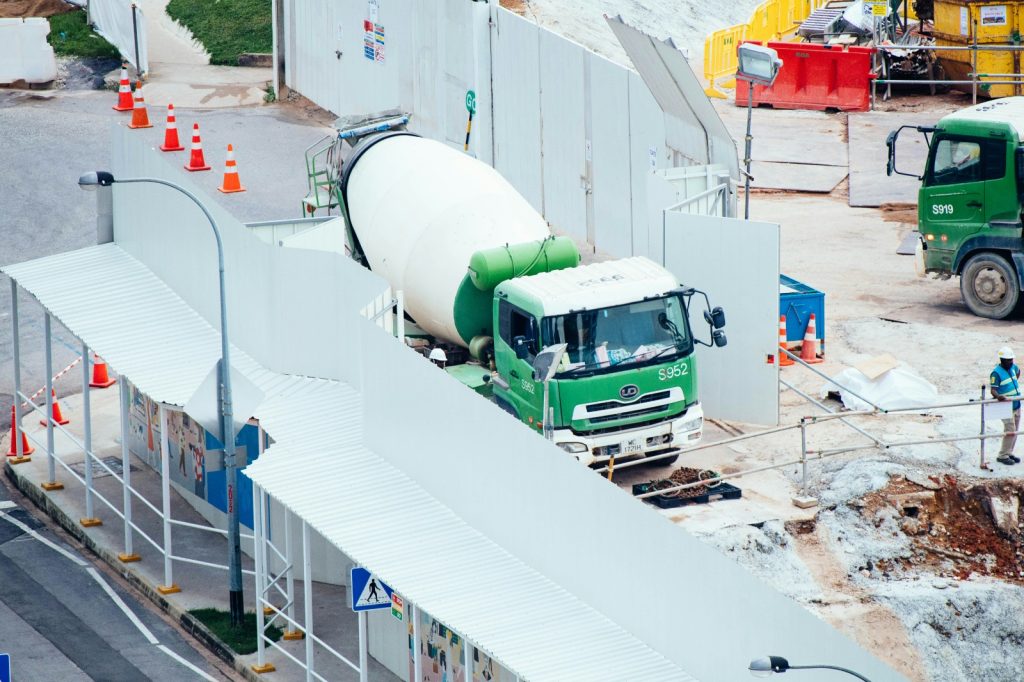
One of the most notable initiatives involves transitioning nearly the entire Nigerian truck fleet to Compressed Natural Gas by 2027. The only exception will be trucks serving the Gboko plant. There, Dangote Cement plans to introduce electric trucks from 2026 as part of its gradual shift toward lower emission logistics.
This transport strategy reflects a broader trend across Nigeria’s industrial sector. In recent months, several large manufacturers have increased investments in CNG following federal government policies encouraging alternative fuels after the removal of petrol subsidies.
Capacity Expansion Continues
While reducing emissions remains a priority, Dangote Cement is also pursuing significant business expansion. The company intends to increase installed production capacity from current levels to 80 million tonnes annually by 2030. To support that objective, new operations are planned in Botswana and Zimbabwe.
Additionally, Dangote Cement is expanding export infrastructure at the Apapa, Onne and Lekki ports. These investments are expected to strengthen export operations across West and Southern Africa while improving supply chain efficiency.
The expansion supports Dangote Group’s ambition of becoming a globally competitive industrial powerhouse with Africa serving as its manufacturing base. Moreover, stronger export capacity could help Nigeria increase foreign exchange earnings from manufactured goods as regional demand for cement continues to grow.
Environmental Performance Shows Progress
Dangote Cement also reported measurable environmental improvements from its ongoing sustainability programmes. Since using 2021 as its baseline, the company has reduced carbon dioxide emissions intensity by 6.5 percent. Energy intensity has also fallen by 1.7 percent, while total energy consumption dropped by 4 percent. In addition, water use declined by 8 percent across operations.
According to the company, these improvements resulted from greater deployment of alternative fuels. They also came from investments in energy efficient technologies and efforts to lower clinker production.
Clinker manufacturing represents one of the largest sources of emissions in cement production. Therefore, reducing clinker content while maintaining product quality has become a key strategy for cement manufacturers seeking lower carbon footprints.
Dangote Cement also revealed that it co-processed more than 437,000 tonnes of waste as alternative fuel during the reporting period. As a result, dependence on conventional fossil fuels declined while resource efficiency improved across production facilities.
Circular Economy and Biodiversity Gain Attention
Beyond emissions reduction, Dangote Cement is expanding its circular economy initiatives. The company said its DangCircular programme continues to promote waste reduction, recycling and responsible resource management throughout its operations. Meanwhile, it has launched the Dangote Tree-to-Forest Programme across all countries where it operates.
Under the initiative, Dangote Cement plans to restore 200 hectares of land in every country of operation over five years. The programme includes planting approximately 700 trees per hectare to improve biodiversity, strengthen ecosystem restoration and enhance carbon sequestration.
These efforts reflect growing recognition that industrial sustainability extends beyond factory emissions. Increasingly, companies are incorporating biodiversity conservation into long-term business planning as investors pay closer attention to nature-related risks.
Investment in People and Communities
The sustainability scorecard also highlighted progress in workforce development and community investment. During the reporting period, Dangote Cement created 625 direct green jobs across its operations. Likewise, graduate trainee recruitment increased by 74 percent as the company expanded efforts to develop young African professionals.
Employee development remained another priority. Consequently, Dangote Cement invested ₦2.1 billion in staff training to strengthen technical capabilities and leadership development.
Community investment also rose significantly. According to the company, social investment spending increased by 56 percent, supporting programmes designed to improve education, healthcare, livelihoods and local development in host communities.
These initiatives reinforce the social component of the company’s ESG agenda while supporting broader economic inclusion across its operating countries.
Governance Framework Continues to Evolve
Governance featured prominently in Dangote Cement’s latest sustainability update. The company introduced new policies covering Artificial Intelligence Risk Management, Biodiversity and Disability Inclusion. Furthermore, it integrated 297 local vendors into its ESG focused supply chain programme, helping suppliers strengthen responsible business practices.
Ikazoboh said sustainability governance has matured considerably during the past decade. Executive accountability for ESG performance is now embedded within decision making processes. Climate risks also receive greater oversight, while sustainability metrics increasingly influence operational planning.
These developments come as more African companies prepare for enhanced sustainability reporting requirements.
Notably, Dangote Cement confirmed its commitment to voluntarily adopt the International Financial Reporting Standards Sustainability Disclosure Standards before they become mandatory. The company also maintained a Climate and Water Security rating of B from the Carbon Disclosure Project, reflecting continued progress in environmental disclosure.
Building on Years of ESG Progress
Dangote Cement traced its sustainability journey back to 2017. It introduced the Dangote Seven Sustainability Pillars then. It also began reporting in accordance with Global Reporting Initiative standards.
Since then, the company has introduced sustainability champions across its operations and strengthened executive accountability for ESG outcomes. It has also expanded climate disclosure practices. Additionally, the brand invested in alternative fuel programmes, biodiversity restoration, enterprise wide sustainability policies and climate risk management systems.
As a result, sustainability considerations have become integrated into business planning rather than remaining standalone corporate responsibility initiatives. Industry analysts increasingly view this approach as essential because lenders, investors and regulators now expect measurable ESG performance alongside financial results.
Positioning for Africa’s Low Carbon Future
Dangote Cement believes its sustainability roadmap will strengthen long-term competitiveness while supporting Africa’s industrial development. The company argues that industrial growth, workforce development, climate action and governance must progress together to create lasting value.
According to management, sustainability creates strategic value by guiding investment decisions, improving operational resilience, protecting natural resources and supporting business continuity. “Growth with embedded sustainability creates enduring industrial leadership,” the company stated.
Ikazoboh also encouraged investors to support the company’s long-term vision. “As we build Africa’s largest and most sustainable cement business, we are creating a platform for long-term growth, resilience and shareholder value,” he said. He added that the company remains committed to expanding its footprint, strengthening export leadership and advancing sustainable industrialisation across Africa.
Governments are tightening climate policies, investors are demanding stronger ESG performance and customers are paying greater attention to sustainable supply chains. Dangote Cement’s latest commitments represent one of the most comprehensive sustainability strategies announced by an African industrial company this year to meet this. If successfully implemented, the roadmap could position the manufacturer as a leading example of how heavy industry can pursue economic growth while steadily reducing its environmental footprint.
[give_form id="20698"]