ROSEMARY IMOBHIO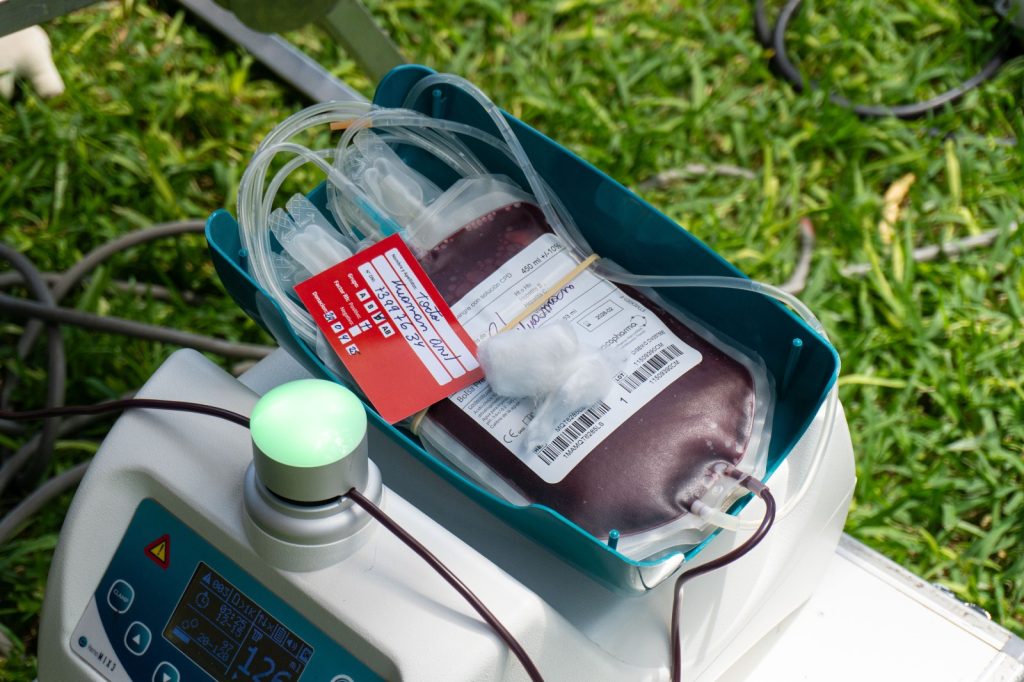
A corporate-backed health campaign led by Sterling Oil Exploration and Energy Production Company Limited (SEEPCO) is helping to promote voluntary blood donation across Delta State. This is important as stakeholders push for stronger blood reserves and improved healthcare outcomes.
The initiative, implemented in partnership with the Vcare for Development Foundation, the Delta State Ministry of Health and the Nigerian Red Cross Society, took place across the state’s three senatorial districts of Asaba, Ughelli and Warri. The programme formed part of activities marking the 2026 World Blood Donor Day and sought to raise awareness about the urgent need for regular blood donations.
The campaign comes at a time when health experts continue to warn about blood shortages in many low and middle-income countries, including Nigeria. According to the World Health Organization, timely access to safe blood remains essential for emergency care, maternal health services and the treatment of several life-threatening conditions.
Growing Concern Over Blood Shortages
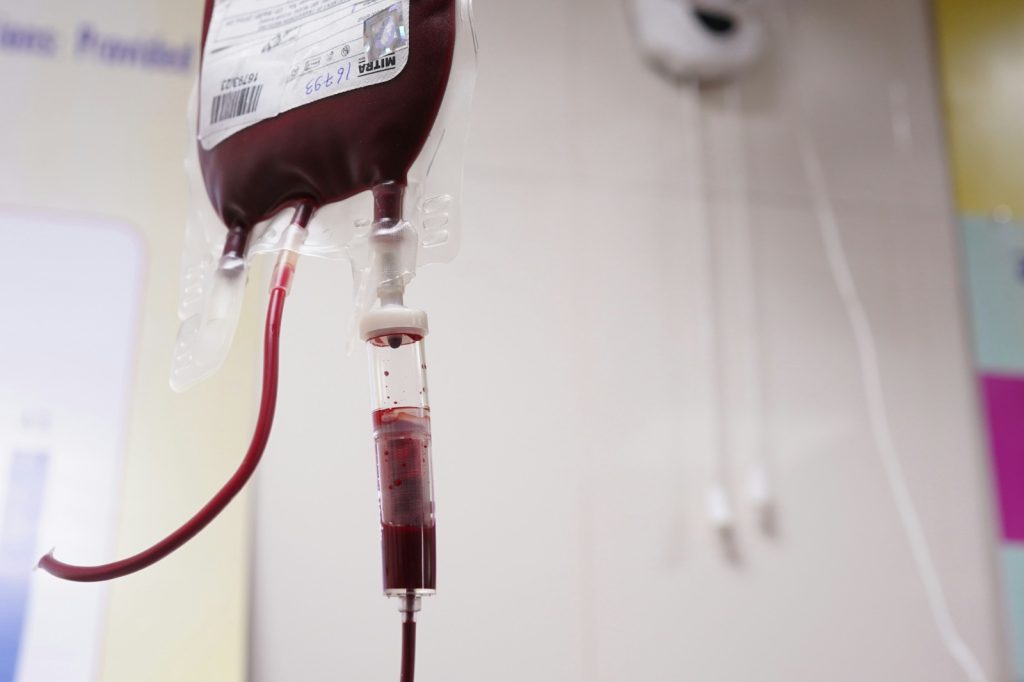
Blood remains one of the most critical resources in healthcare because it cannot be manufactured. Hospitals rely entirely on donations to meet the needs of patients suffering from severe injuries, childbirth complications, cancer, sickle cell disease and major surgeries.
The World Health Organization has repeatedly stressed that safe and sufficient blood supplies are a key component of an effective healthcare system. Yet many developing countries continue to struggle with inadequate supplies and low rates of voluntary blood donation.
Against this backdrop, organisers of the Delta initiative said voluntary, regular and unpaid blood donation remains the most sustainable way to maintain adequate blood reserves and save lives.
The awareness campaign therefore focused not only on collecting blood donations but also on encouraging residents to become regular donors. Participants received information about the safety of blood donation and the difference each donation can make in emergency situations.
Campaign Reaches Communities Across Delta
Activities were conducted at the State Secretariat Clinic and the Federal Medical Centre in Asaba, as well as Central Hospital Warri and Central Hospital Ughelli. The exercise also served as the beginning of a month-long blood donation drive across the state.
Throughout the campaign, stakeholders highlighted the importance of collaboration among government institutions, civil society organisations and the private sector in addressing public health challenges.
At Central Hospital Ughelli, the hospital’s Blood Transfusion Committee and management commended the efforts of the Delta State Ministry of Health and supporting partners for promoting blood safety initiatives and improving access to healthcare services.
Delta State Commissioner for Health, Dr. Joseph Onojaeme, described voluntary blood donation as essential to the state’s healthcare system.
“Voluntary blood donation is important for public health emergencies and to save lives during accidents and childbirth. We are deeply grateful to our partners for the commitment to promote voluntary blood donation and support life-saving healthcare initiatives,” he said.
The commissioner noted that blood availability often determines whether patients survive emergency situations. He therefore urged residents to embrace voluntary donation as a civic responsibility.
Rising Awareness and Donor Participation
Organisers said the campaign recorded strong community participation across Asaba, Ughelli and Warri.
Several participants reported increased awareness among community members, while many first-time donors expressed willingness to become regular donors after learning about the benefits and impact of blood donation.
The initiative also builds on previous efforts in other parts of the country. In Lagos, similar campaigns reportedly mobilised about 550 pints of blood within two days, significantly improving blood bank reserves and increasing public awareness about voluntary donation.
Figures released by the Vcare for Development Foundation show that donor participation has steadily increased over the last four years. The organisation recorded 98 donors in 2022, 147 in 2023, 268 in 2024 and 341 in 2025.
Before the commencement of the Delta exercise, the organisation had mobilised a cumulative total of 1,404 blood donors in Lagos. The achievement earned it recognition as a Blood Donation Champion from the Lagos State Blood Transfusion Service (LSBTS).
The steady rise in donor numbers suggests that awareness campaigns are beginning to change public attitudes toward blood donation in Nigeria.
Why the Initiative Matters
Nigeria continues to face significant healthcare challenges, including high maternal mortality rates and a large population of people living with sickle cell disorder. Both conditions frequently require blood transfusions. Health experts say inadequate blood supplies often place additional pressure on healthcare workers and can delay lifesaving treatment for patients.
The World Health Organization’s latest Global Status Report on Blood Safety and Availability also highlights the need for stronger investment in blood systems and greater public participation in voluntary donation programmes.
Stakeholders involved in the Delta campaign said sustained public engagement and partnerships will be necessary to build a reliable blood donation culture across the country. They further noted that every blood donation has the potential to save multiple lives and strengthen healthcare systems. The strong turnout recorded across the three senatorial districts has therefore raised hopes that more Nigerians will embrace regular blood donation in the years ahead.
As healthcare demands continue to grow, initiatives such as this one demonstrate how collaboration between governments, civil society groups and companies can contribute to addressing critical public health challenges.
The success of the Delta campaign also reinforces SEEPCO’s stated commitment to supporting community health initiatives beyond its core oil and gas operations while helping to build more resilient healthcare systems in the communities where it operates.
[give_form id="20698"]