


 ROSEMARY IMOBHIO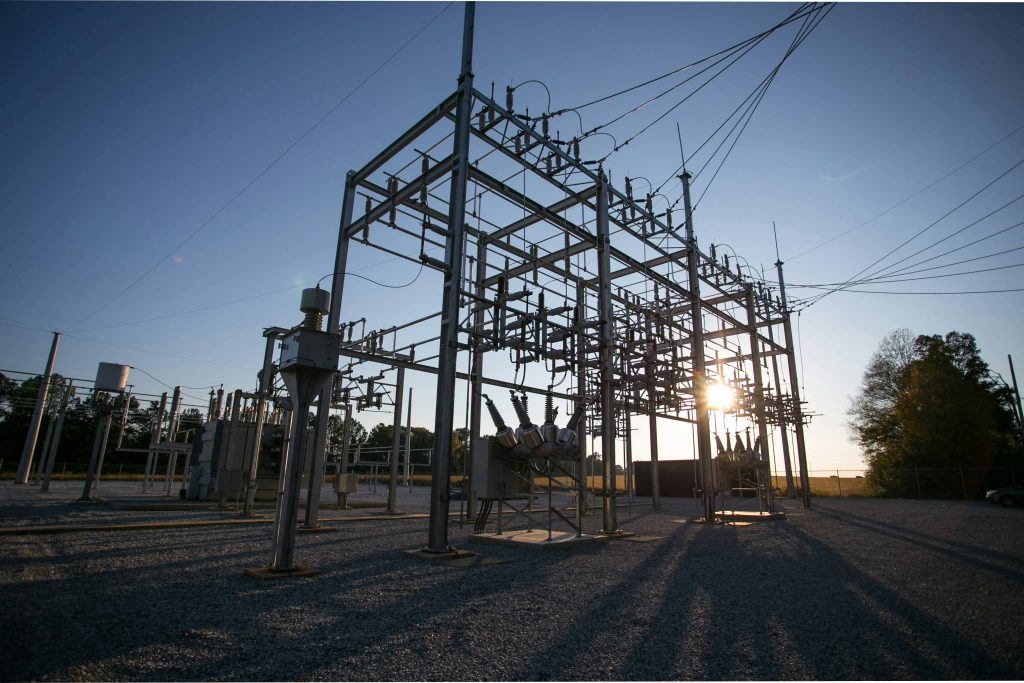
Nigeria has taken another important step toward expanding electricity access and advancing its clean energy transition with the launch of new guidelines for connecting solar mini-grids to electricity distribution networks.
The Federal Government unveiled the framework in Abuja through the Nigerian Electricity Management Services Agency (NEMSA). The document, titled Guidelines for Interconnecting Solar Mini-Grids to Distribution Networks, provides technical, operational and safety standards for integrating solar mini-grids into existing power infrastructure. As a result, stakeholders expect the framework to strengthen investor confidence, improve grid reliability and accelerate renewable energy deployment across the country.
Speaking at the launch, NEMSA Managing Director and Chief Electrical Inspector of the Federation, Engr. Olusegun Adesayo, described the guidelines as a major milestone in Nigeria’s pursuit of a safe, reliable, sustainable and inclusive electricity supply industry.
According to him, solar mini-grids have emerged as a critical solution for electrifying unserved and underserved communities. However, their rapid expansion has increased the need for clear technical standards and coordinated operational procedures.
“The Guidelines provide comprehensive procedures, technical requirements, interconnection models and operational standards for integrating solar mini-grids into distribution networks without compromising grid stability, power quality, system reliability and public safety,” Adesayo said.
He added that the framework seeks to reduce uncertainty for investors and developers while strengthening collaboration among Distribution Companies, mini-grid developers, regulators and other stakeholders.
Importantly, the guidelines align with the Electricity Act 2023, the Mini-Grid Regulations 2026 and relevant national and international standards, including IEC standards.
Strengthening Nigeria’s Energy Transition
The launch comes at a time when Nigeria is intensifying efforts to close its electricity access gap. Despite ongoing reforms, millions of households and businesses still struggle with unreliable power supply.
Consequently, policymakers increasingly view renewable energy solutions as essential to achieving universal electricity access and supporting economic growth.
The Permanent Secretary of the Federal Ministry of Power, Alhaji Mahmuda Mamman, represented by Director of Distribution Mustapha Abba, said renewable energy remains central to the government’s strategy for improving energy security and promoting sustainable development.
He noted that both isolated and interconnected mini-grids already provide reliable electricity to communities, businesses and productive users that previously lacked dependable access to power.
“As this segment of the electricity market continues to grow, it becomes imperative to establish clear technical and operational frameworks that will ensure safety, reliability and efficient coordination between solar mini-grid systems and existing distribution infrastructure,” Mamman said.
Furthermore, he stressed that the new guidelines provide an important framework for ensuring the safe, reliable and efficient interconnection of solar mini-grids to distribution networks across Nigeria.
The Federal Government believes the framework will strengthen investor confidence, reduce technical and regulatory uncertainties, improve system reliability and support the sustainable integration of renewable energy solutions into the national electricity network.
A Signal to Investors
One of the strongest themes emerging from the launch is the potential impact on renewable energy investment.
For years, developers have identified regulatory uncertainty as a major challenge to scaling clean energy projects. Therefore, the introduction of clear technical and operational standards could significantly improve the investment climate.
Adesayo expressed confidence that the guidelines would accelerate the deployment of interconnected renewable energy systems nationwide. Likewise, development partners welcomed the framework as an important step toward creating a more predictable market for investors.
Representing the Delegation of the European Union to Nigeria and ECOWAS, Programme Manager for Energy and Circular Economy, Godfrey Ogbemudia, described the launch as particularly significant.
“We are confident that the Guidelines will provide consistency and increase investor confidence in interconnected mini-grid projects,” he said.
The guidelines were developed by NEMSA with technical support from the Nigerian Energy Support Programme (NESP), which is co-funded by the European Union and the Government of Germany and implemented by GIZ in collaboration with the Federal Ministry of Power.
Meanwhile, Head of Development Cooperation at the German Embassy in Nigeria, Dr. Karin Jansen, reaffirmed Germany’s commitment to supporting Nigeria’s efforts to expand energy access, strengthen institutions and mobilise private investment in renewable energy.
Her remarks reflect growing international confidence in Nigeria’s clean energy market and its long-term electrification ambitions.
Beyond Power Supply
While the guidelines focus on technical standards, their potential impact extends far beyond electricity infrastructure.
Reliable power remains essential for healthcare facilities, schools, small businesses and local industries. Therefore, expanding access to affordable and sustainable electricity can contribute directly to economic inclusion and improved quality of life.
Many companies operating in Nigeria have also increased their focus on sustainability and responsible business practices. As investors continue to pay closer attention to environmental, social and governance performance, access to cleaner energy sources is becoming increasingly important.
For businesses, interconnected solar mini-grids offer an opportunity to reduce dependence on diesel generators, lower carbon emissions and improve operational resilience. At the same time, expanded electricity access can create measurable social benefits in underserved communities.
These developments align with broader sustainability goals that many organisations now integrate into their corporate strategies. Consequently, the successful implementation of the new guidelines could support both national development priorities and private sector sustainability commitments.
In addition, the framework highlights the growing role of renewable energy in addressing some of Nigeria’s most persistent development challenges. By creating clearer pathways for mini-grid deployment and integration, the government aims to unlock greater participation from investors, developers and distribution companies.
Looking Ahead
As Nigeria seeks to diversify its energy mix and improve electricity access, solar mini-grids are increasingly viewed as a practical and scalable solution.
The newly launched guidelines provide a clearer roadmap for integrating these systems into existing distribution networks while maintaining safety, reliability and operational efficiency.
If effectively implemented, the framework could help unlock fresh investment, accelerate rural electrification and strengthen Nigeria’s position as one of Africa’s most promising renewable energy markets.
For communities seeking reliable power, businesses pursuing sustainable growth and investors looking for opportunities in clean energy, the guidelines represent another significant step toward a more resilient and inclusive energy future.
[give_form id="20698"]


1 thought on “Nigeria Releases New Framework for Mini Grid Interconnection”