ROSEMARY IMOBHIO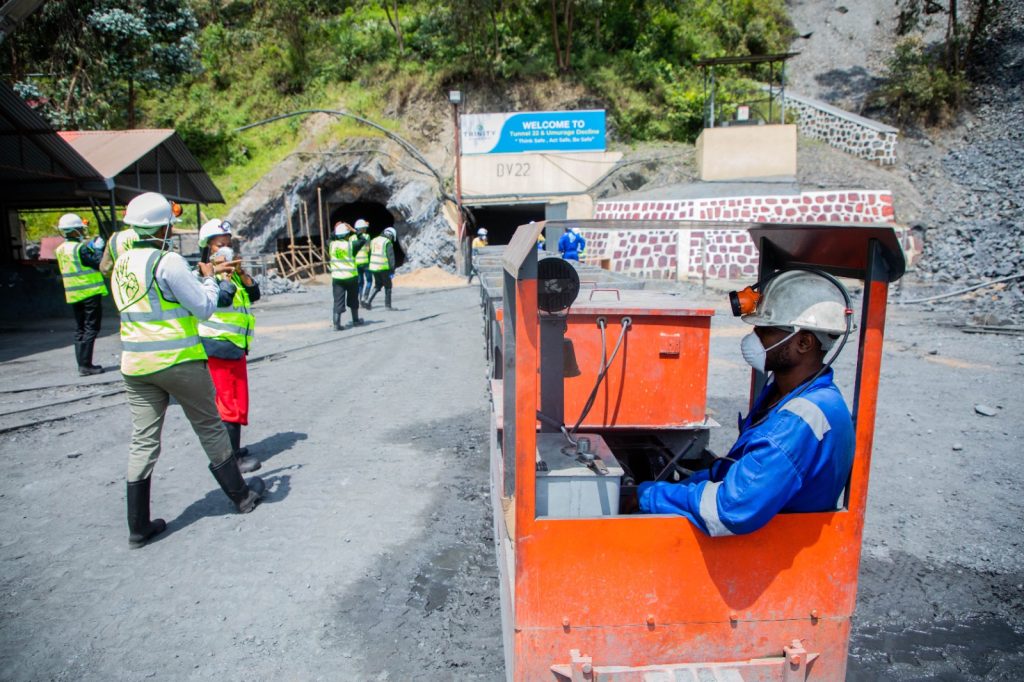
The Ebonyi State Government has stepped up efforts to improve safety, environmental protection and corporate accountability in the mining sector. It did this by warning operators against illegal practices. Practices warned against include night mining and the employment of underage persons and pregnant women in hazardous mining activities.
The renewed enforcement drive also places fresh emphasis on Corporate Social Responsibility (CSR) and environmental compliance. It also promotes stronger relationships between mining companies and their host communities. Officials say companies that fail to meet these obligations will face sanctions under existing mining laws.
The announcement comes as Nigeria continues to push for responsible mineral development. This, amid growing concerns over illegal mining, environmental degradation and workplace safety across several mineral-producing states.
Government Signals End to Weak Oversight
During inspection visits to mining and quarry sites across Ivo, Ishielu and Ohaukwu Local Government Areas, the Commissioner for Solid Minerals Development, Chinedum Magnus Nkah, said the state would no longer tolerate practices that endanger workers, communities or the environment.
The inspections assessed whether mining operators possess valid licences, meet tax obligations, and comply with Environmental Impact Assessment (EIA) requirements. It also checked if they fulfil Community Development Agreements (CDAs).
Nkah explained that the ministry also examined annual mining plans, mine closure strategies and environmental reports. These were to determine whether operators were working in line with the Nigerian Mining Act 2007 and the Nigerian Minerals and Mining Regulations 2011.
Furthermore, he said mining companies must provide adequate Personal Protective Equipment (PPE) for workers. They must improve safety standards across operational sites. Nkah also warned that companies engaging underage workers or assigning pregnant women to hazardous mining duties would face stiff penalties.
In addition, the commissioner stressed that transporting mineral resources or conducting mining activities at night remains prohibited. They will attract stiff sanctions when detected.
Special Task Force to Boost Compliance
As part of the government’s tougher approach, Ebonyi plans to establish a special task force dedicated to monitoring mining operations across the state. The proposed team will oversee compliance with environmental regulations, Community Development Agreements and other statutory obligations. It will also monitor night operations and help eliminate revenue leakages within the sector.
According to the commissioner, the era of weak regulation has ended. Instead, operators will be expected to maintain transparent records and honour agreements signed with host communities. They will also be expected to comply fully with national mining regulations.
The ministry also directed mining companies to submit operational licences, Community Development Agreements, environmental reports, annual mining plans and mine closure plans for verification. Officials say compliance templates and timelines will also be issued to guide operators and improve regulatory monitoring.
Community Development Under Fresh Scrutiny
Beyond environmental compliance, Ebonyi is increasing pressure on mining companies to deliver meaningful benefits to communities hosting extraction activities. Nkah criticised what he described as inadequate Community Development Agreements. Especially ones where scholarship programmes and development projects fell below expectations.
He argued that companies should not simply satisfy minimum legal requirements. Instead, they should invest in projects that genuinely improve education, infrastructure, healthcare and economic opportunities within their host communities.
Moreover, he warned that delays in implementing agreed projects weaken public trust and undermine the purpose of Community Development Agreements. The commissioner therefore encouraged mining firms to introduce additional community projects beyond existing commitments wherever possible.
That approach reflects a broader shift in Nigeria’s extractive sector. Communities increasingly expect mining investments to generate lasting social and economic value rather than short-term financial returns alone.
Abandoned Mining Pits Remain Major Concern
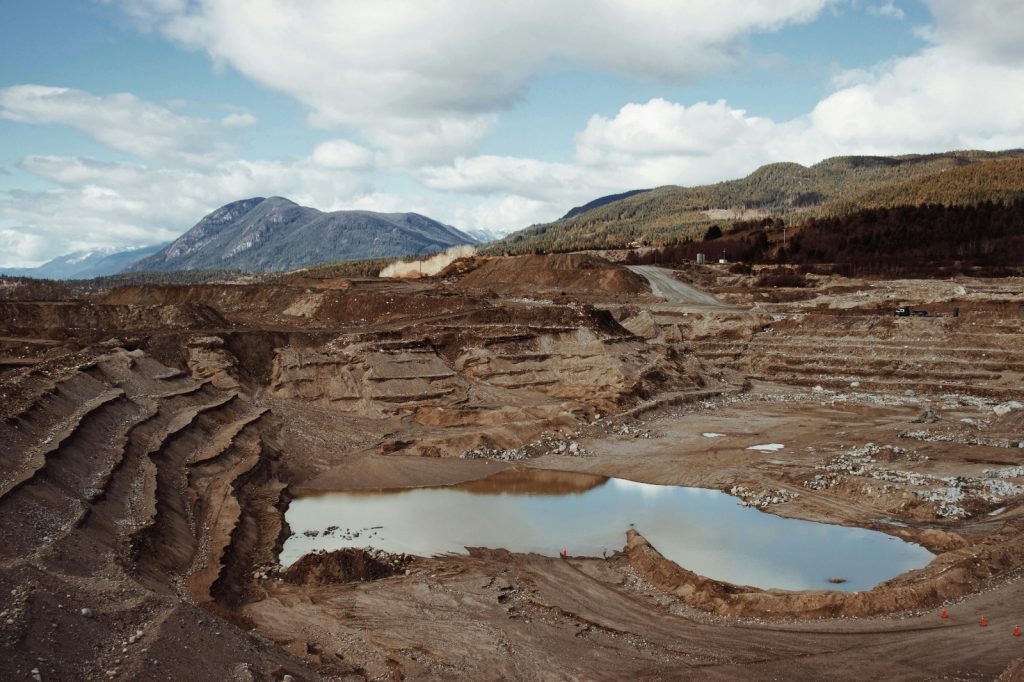
Environmental protection formed another major focus of the inspection exercise. The commissioner criticised the continued abandonment of mined-out pits. He describes them as serious hazards that have contributed to avoidable accidents and loss of lives. Consequently, Ebonyi intends to make pit reclamation a mandatory component of Community Development Agreements.
Under the proposed framework, mining companies will be required to restore operational sites before ending extraction activities. Officials believe this measure will reduce environmental degradation. It will also protect residents from dangerous open pits left behind after mining operations.
The state called on companies to strengthen workplace safety measures and improve the structural integrity of operational facilities to reduce occupational risks, too.
Nigeria’s Mining Sector Faces Broader Reform
Ebonyi’s latest actions align with wider reforms taking place within Nigeria’s mining industry.
In recent months, the Federal Government has intensified efforts to formalise mining activities, improve investor confidence and curb illegal mineral extraction through stronger enforcement and digital licensing initiatives. Authorities have also increased collaboration between federal and state agencies to improve regulatory oversight across the sector.
These reforms seek to attract responsible investment while ensuring communities benefit more directly from mineral resources. They also support Nigeria’s ambition to diversify government revenue beyond oil through sustainable solid minerals development. Recent federal initiatives have equally focused on improving mine security, encouraging local mineral processing and strengthening environmental governance across mining operations.
These priorities continue to shape discussions around responsible resource management nationwide. However, experts have repeatedly argued that stronger enforcement at the state level remains essential. This is because environmental damage and community disputes often occur where mining activities take place.
Against that backdrop, Ebonyi’s decision to strengthen inspections, improve compliance monitoring and establish a dedicated task force reflects growing recognition that effective regulation depends on continuous oversight rather than periodic enforcement exercises.
Mining Companies Pledge Cooperation
Representatives of several mining companies visited during the inspections welcomed the government’s engagement and pledged to strengthen compliance. Speakers on behalf of two mining companies reaffirmed their commitment to regulatory compliance. They also pledged prompt payment of revenues and fulfilment of CSR obligations. However, one official requested additional time to submit the operational documents required by the ministry.
Companies inspected during the exercise included Arab Contractors, Zotmann Company, Gemrock Quarry Investment Limited, and Sheny Long Mining Company. The commissioner also inspected Woda Quarry Site, Top-Trust Quarry Site, Ideke Engineering Limited and Master-Rock Quarry. Their representatives described the inspection as constructive and pledged to address operational gaps identified during the visits.
Meanwhile, some host community representatives acknowledged development projects already delivered by mining firms. These include road rehabilitation, borehole construction and planned electricity projects. Even so, they urged the government to continue engaging operators to ensure communities receive the full benefits promised under existing agreements.
CSR Becomes Central to Mining Accountability
The Ebonyi government’s latest enforcement campaign demonstrates that mining regulation now extends beyond licences and tax payments. Instead, worker welfare, environmental stewardship, community development and transparent corporate governance are becoming central measures of responsible mining performance.
For companies operating in the state, compliance will increasingly be judged not only by production output but also by how effectively they protect employees, restore the environment and deliver lasting value to host communities.
As Ebonyi prepares to launch its monitoring task force, mining operators are likely to face closer scrutiny than ever before, signalling a new phase of accountability for one of Nigeria’s growing extractive sectors.
Stay ahead of the latest CSR, ESG and sustainability developments across Africa. Visit CSR Reporters for trusted news, expert analysis and in-depth reports that help you understand the stories shaping responsible business.
[give_form id="20698"]