ROSEMARY IMOBHIO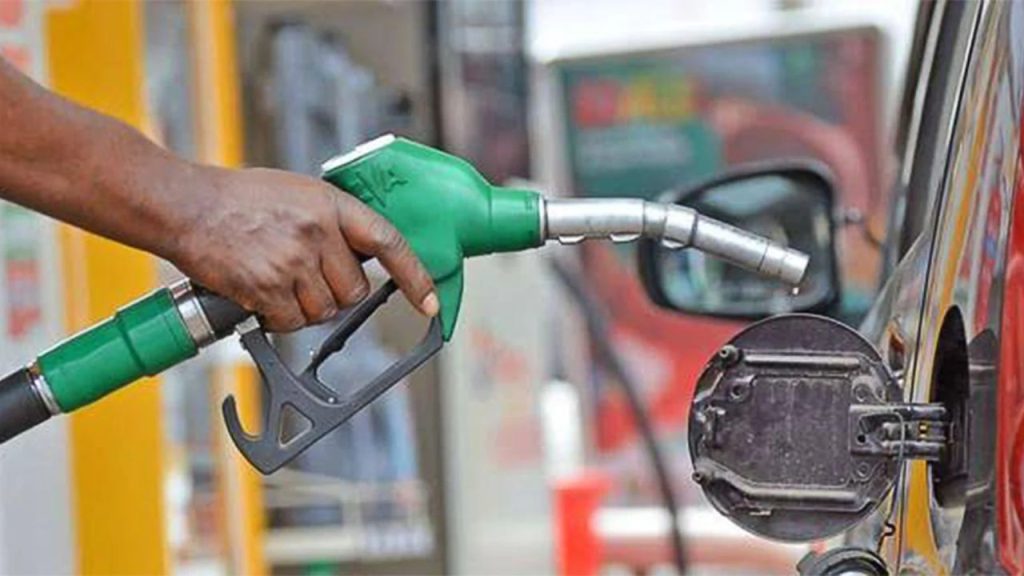
Something is deeply wrong with an oil-producing country where a rise in global crude oil prices can quickly increase the cost of almost everything.
Nigeria is experiencing another fuel-price shock. On September 12, the Dangote Petroleum Refinery raised its petrol gantry price from ₦1,265 to ₦1,350 per litre. It was the refinery’s fourth increase since August 21, taking the price up by ₦185, or 15.9 per cent, in just 22 days. Retail prices have since moved above ₦1,400 per litre in several locations.
The immediate trigger is clear. International crude prices have climbed above $100 per barrel again as renewed conflict in the Middle East disrupts supply and concerns persist over shipping through the Strait of Hormuz.
However, blaming the latest increase entirely on global events misses the bigger problem. Nigeria’s vulnerability to oil shocks is the result of decades of economic choices.
Nigeria Has Known the Risk for Years
For decades, successive governments have promised to reduce Nigeria’s dependence on crude oil. Agriculture, manufacturing, technology and solid minerals have all been identified as potential drivers of growth. Yet oil still has an enormous influence on government revenue, foreign exchange and the wider economy.
When crude prices rise sharply, Nigerians feel the impact through higher fuel and operating costs. When prices fall, government revenue and foreign exchange earnings come under pressure. That is not the resilience expected from a diversified economy.
Nigeria cannot control international crude prices, wars in the Middle East, or disruptions to global shipping. It can, however, determine how exposed its citizens are when those shocks occur.
That is where government responsibility becomes difficult to avoid. Economic resilience must be built before the next crisis, not after households and businesses have already begun paying for it.
Every Fuel Hike Becomes Everybody’s Problem
For Nigerians, petrol is not simply what goes into a vehicle. It is tied to the cost of moving people, transporting food, delivering goods and running businesses.
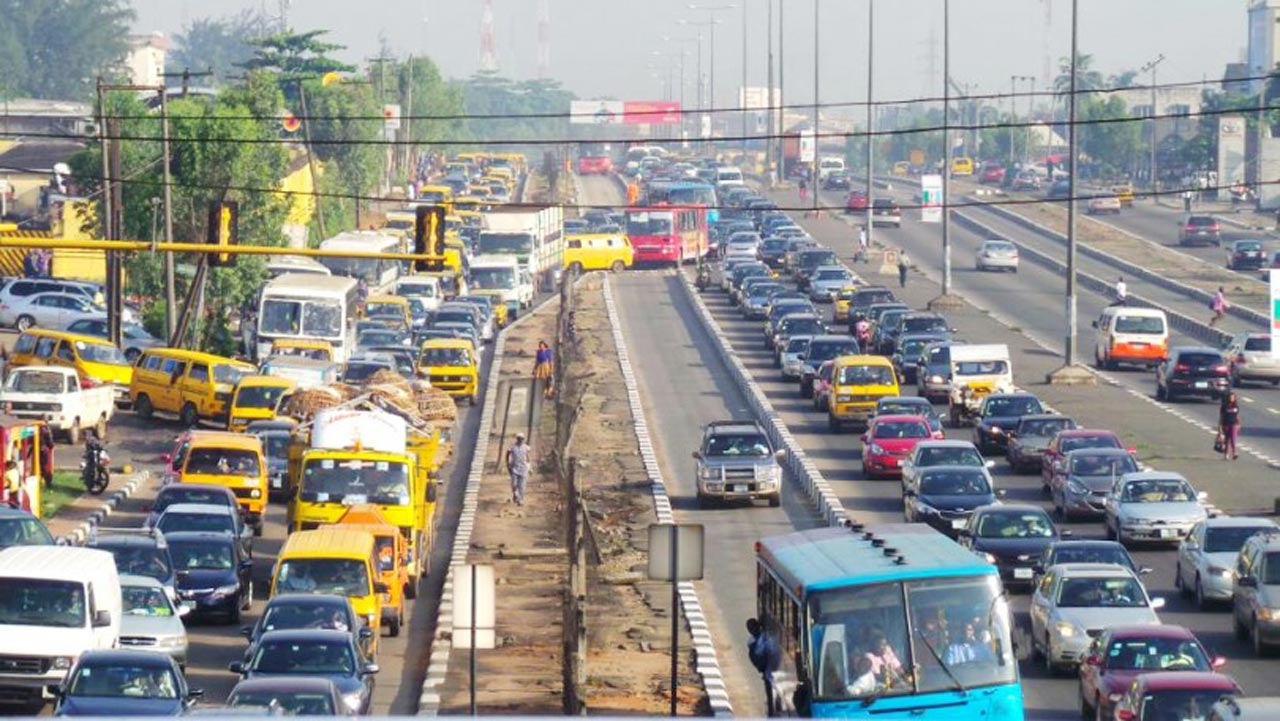
When transport operators pay more for fuel, fares usually rise. Farmers, manufacturers, distributors and retailers also face higher logistics and operating costs. Many eventually pass those costs on to consumers. As a result, a petrol-price increase can quickly become a food-price problem, a transport problem and a household-income problem.
Small businesses are especially exposed. Many already contend with expensive electricity, transportation and raw materials. They have little room to absorb another round of higher costs without reducing margins, cutting operations or increasing prices. For households already dealing with weaker purchasing power, another increase creates even more pressure.
Where Is the Diversification?
This is perhaps the biggest question facing Nigeria’s political leadership. The country has known for decades that dependence on a commodity whose price is determined largely outside its borders is risky. It has also had years of oil revenue to invest in infrastructure, productive industries and alternative sources of foreign exchange.
Yet progress has been uneven. Poor planning, corruption, waste and weak accountability have repeatedly undermined development. At the same time, inadequate infrastructure continues to increase the cost of doing business.
This creates a frustrating cycle. Nigeria earns from oil, but remains heavily dependent on oil. It talks about diversification, but struggles to build sectors strong enough to provide the revenue, jobs, and foreign exchange needed to reduce that dependence.
Ending fuel subsidies was also not the end of the job. There was a legitimate case for reforming a costly subsidy system that placed pressure on public finances and created opportunities for abuse. However, removing subsidies does not automatically create a sustainable economy.
A market-based fuel system must be supported by better public transport, reliable electricity, efficient infrastructure, productive industries, and stronger social protection. Without these, Nigerians are being asked to absorb market prices without the systems needed to cope with them.
The CSR Question Is Who Bears the Cost?
This is where the fuel crisis becomes a CSR and ESG issue. Economic sustainability cannot be separated from social sustainability. Businesses depend on employees who can afford to live, customers who can continue buying, and suppliers who can remain operational.
When transportation becomes unaffordable, food prices rise or small businesses begin closing, the effects spread across communities. Companies therefore face difficult choices during periods of rising operating costs. They must decide how much they can absorb without cutting jobs, reducing services, or transferring the full burden to customers.
Government also has a responsibility. Its role is not to control every market price, but to create the conditions that make economic shocks less damaging to citizens. That means building an economy where one commodity does not determine the wellbeing of millions of people.
Nigeria Cannot Keep Running on Oil and Hope
The latest fuel increase should be treated as another warning. Nigeria cannot determine whether crude trades at $100, $70 or $40 per barrel. It cannot prevent every geopolitical crisis from disrupting global energy markets. What it can determine is how much damage those events cause at home.
That requires more than another diversification policy. It requires sustained investment in productive sectors, stronger institutions, reliable infrastructure and long-term economic planning.
The Dangote Refinery itself shows what large-scale private investment can achieve in an industry where Nigeria previously relied heavily on imports. Its growing role in the domestic market is significant. However, one refinery cannot diversify an entire economy.
Nigeria needs a broader industrial base capable of creating jobs, generating foreign exchange and producing goods without excessive dependence on imported inputs. It needs agriculture that can move food efficiently from farms to consumers and infrastructure that allows businesses to compete without spending heavily to overcome basic deficiencies.
Until that happens, every global oil shock will eventually arrive at Nigeria’s doorstep. The cost will be felt at the filling station, then at the bus stop, in the market and inside businesses and homes.
Nigeria is not short of natural resources. The deeper problem is that decades of oil wealth have not produced enough economic resilience. That is the crisis the country must confront.
Stay with CSR Reporters for more stories on Nigeria’s economy, sustainability and the decisions shaping business and society.
[give_form id="20698"]