Niger’s FarmerMoni Scheme Targets 600 Farmers: Can ₦300,000 Improve Agricultural Productivity?
 ONYINYECHI NWAIGBA
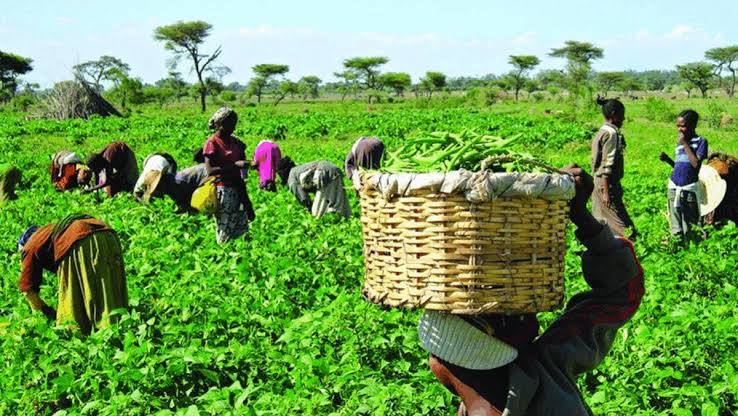
The Federal Government and Niger State are targeting 600 small-scale farmers with interest-free financing under the FarmerMoni scheme. But the intervention’s impact will depend on timely support, transparent selection and whether the funding can translate into higher production and better livelihoods.
Access to affordable finance remains one of the challenges facing small-scale farmers in Nigeria. Many operate with limited capital, making it difficult to purchase quality seeds, fertilisers, animal feed, equipment and other essential inputs needed to sustain production.
For farmers who depend on seasonal harvests and irregular income, borrowing from commercial lenders can also be difficult. High interest rates, collateral requirements and repayment conditions may discourage them from accessing the funds needed to expand their operations.
Against this backdrop, the Federal Government, in collaboration with the Niger State Government, has commenced an enumeration exercise targeting 600 farmers for support under its Government Enterprise and Empowerment Programme (GEEP).
The intervention, delivered through the FarmerMoni scheme, is expected to provide each selected farmer with ₦300,000 in interest-free support. If all 600 beneficiaries receive the full amount, the intervention represents a potential allocation of ₦180 million.
The announcement has drawn attention to an important question: can a relatively small financing intervention make a meaningful difference to farmers’ productivity and livelihoods?
What the FarmerMoni Intervention Offers
The National Programme Manager of GEEP, Hamza Baba, announced the exercise in Minna during the commencement of the FarmerMoni enumeration process and training of programme desk officers from Niger State’s 25 local government areas.
The scheme is designed to support small-scale farmers involved in crop cultivation, poultry, livestock production, fisheries and aquaculture.
Under the terms announced for the Niger State exercise, each selected beneficiary is expected to receive ₦300,000, repayable within one year. Repayment is expected to begin six months after farming activities commence.
The programme is also introducing a verification process to identify genuine farmers and reduce the possibility of ineligible beneficiaries accessing the intervention.
Desk officers will collect photographs, biometric information, National Identification Numbers and verified farm locations, alongside details of applicants’ agricultural activities. The exercise is being supported by trained officers equipped with tablets to capture farmers’ information.
The agency is also expected to work with the All Farmers Association of Nigeria, the Agricultural Development Programme and local government desk officers to monitor the utilisation and repayment of the support.
These measures are important because the success of any public financing programme depends not only on the amount allocated but also on whether the intended beneficiaries actually receive and use the support.
Why Affordable Agricultural Financing Matters
Smallholder farmers play an important role in Nigeria’s food supply, but many struggle to access the resources required to improve their output.
A farmer cultivating a small plot of land may need money for improved seeds, fertilisers, pesticides, irrigation, labour and transportation before earning anything from a harvest. Livestock and poultry farmers face similar costs, particularly when purchasing feed, vaccines and other production materials.
When these expenses cannot be covered, farmers may reduce the size of their operations, use lower-quality inputs or delay production. These decisions can affect yields, income and the availability of agricultural products in local markets.
Affordable financing can help address some of these challenges by giving farmers access to resources when they need them.
For a beneficiary, ₦300,000 could contribute towards purchasing essential inputs, improving an existing farm or increasing the number of animals or fish being raised. The extent of the benefit, however, will depend on the scale of the operation and the prevailing cost of agricultural inputs.
The intervention may also reduce farmers’ dependence on informal borrowing arrangements that come with unfavourable repayment conditions.
However, access to finance alone cannot resolve every challenge in agriculture. Farmers also need reliable markets, storage facilities, transportation, extension services and access to relevant technical knowledge.
Without these supporting conditions, additional financing may improve production without necessarily improving profitability.
The Importance of Getting the Support to Farmers on Time
Agriculture is seasonal, and the timing of financial support can determine whether it is useful.
A loan that arrives after planting has begun or after a farmer has already purchased essential inputs may not provide the same benefit as funding made available at the beginning of the production cycle.
For crop farmers, delayed support can affect planting schedules and the ability to purchase quality inputs. Poultry, livestock and fish farmers also require consistent access to feed, vaccines and other materials to keep their operations running.
The six-month repayment grace period announced for the Niger State intervention appears designed to give beneficiaries time to undertake farming activities before repayments begin.
However, the programme will need to ensure that the repayment schedule reflects the different production cycles of the farmers involved. Crop cultivation, poultry, livestock and aquaculture do not all generate income at the same pace.
A repayment structure that works for one category may place pressure on another.
The government must therefore ensure that the support is not only accessible but also structured around the realities of agricultural production.
What Exactly Will Farmers Receive?
There is another detail that deserves clarification.
While the Niger State announcement describes the intervention as ₦300,000 interest-free loans for selected farmers, the official GEEP website describes FarmerMoni as providing up to ₦300,000 worth of certified agricultural inputs and services, including seedlings, fertilisers, crop protection products and mechanisation vouchers.
The official programme information also lists a six-month moratorium.
This distinction matters. A farmer receiving cash has different purchasing choices from one receiving approved inputs or services. The delivery method will influence how beneficiaries use the support, how the programme monitors it and how its impact is assessed.
The government and programme administrators should clearly communicate the delivery arrangement and applicable repayment terms for the Niger State beneficiaries.
Clarity will help farmers understand their obligations and allow the public to assess whether the intervention is being implemented as announced.
Beyond the Number of Beneficiaries
Targeting 600 farmers is a measurable starting point, but the number of people enrolled should not be the only indicator of success.
Public empowerment programmes are often assessed by how many people register, receive funding or participate in training. These figures are useful, but they do not necessarily show whether people’s economic circumstances have improved.
For FarmerMoni, more meaningful indicators would include changes in farm output, farmers’ income, production costs and the ability of beneficiaries to sustain their operations after completing repayment.
The government should also track how many beneficiaries remain active in agriculture, whether they expand their farms and whether the intervention helps them build stronger relationships with buyers and agricultural markets.
Transparency in beneficiary selection is equally important. The use of digital registration and farm verification may help reduce fictitious entries, but the process should also be accessible to genuine farmers who may have limited digital skills or face difficulties providing formal documentation.
Women farmers, young agricultural entrepreneurs and producers in rural communities should not be left out because of barriers in the registration process.
Financing Must Be Part of a Wider Agricultural Support System
Nigeria’s agricultural development requires more than isolated financial interventions. Farmers need an environment where they can produce efficiently, access markets and earn enough to reinvest in their businesses.
For smallholder farmers, this means connecting financing programmes with agricultural extension services, improved farming techniques, storage infrastructure, processing opportunities and reliable market access.
A farmer who increases production but cannot store or sell the additional harvest at a fair price may struggle to repay even an interest-free loan.
There is also an opportunity to connect beneficiaries with cooperatives, aggregators and processors that can provide more predictable routes to market. Such arrangements could help farmers reduce post-harvest losses, improve their bargaining power and build more stable sources of income.
The programme’s collaboration with farmers’ associations and agricultural development officers could provide a foundation for this wider support, provided the relationships extend beyond registration and repayment monitoring.
Measuring the Real Impact of FarmerMoni
The Niger State intervention offers an opportunity to examine how targeted, interest-free agricultural financing can support rural livelihoods and food production.
Its potential ₦180 million allocation is significant for the 600 farmers it intends to reach, but the long-term value will depend on what happens after enumeration.
Were the selected farmers able to access the support before their production cycles? Did the intervention help them increase output? Were repayment conditions realistic? Did their incomes improve, and were they able to continue farming after the programme?
These are the questions that should guide the assessment of the initiative.
The government should make information about beneficiary selection, disbursement or input delivery, repayment performance and agricultural outcomes available for public scrutiny.
If the programme can demonstrate measurable improvements in productivity and income, it could provide useful lessons for expanding affordable agricultural finance to other farming communities.
For now, the targeting of 600 farmers is a promising step, but it is not yet evidence of improved livelihoods or increased food production.
The real test will be whether the support reaches genuine farmers, meets their production needs and gives them a stronger chance of building sustainable agricultural businesses.
[give_form id="20698"]