ROSEMARY IMOBHIO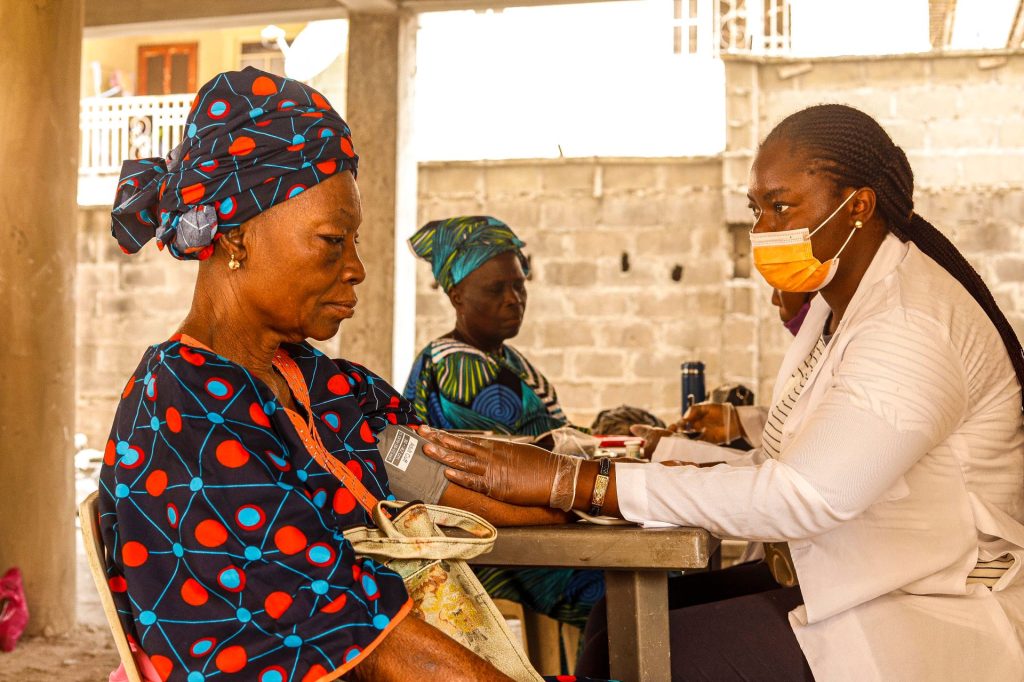
For residents of remote oil-producing communities, access to healthcare can depend on more than the availability of a hospital. Distance, transportation costs, limited medical personnel and the price of specialist treatment can all determine whether someone receives care early or waits until a condition becomes more serious.
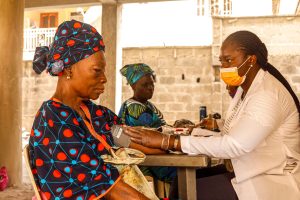
That challenge is being addressed through the fourth edition of the KEFFESO Medical Outreach. This initiative of the NNPC Limited/FIRST E&P Joint Venture (JV) that has brought free healthcare services to 11 host communities in Bayelsa State.
The latest outreach, which began on September 21, 2026, provided residents with medical consultations, laboratory tests, eye and dental screenings, health education and other essential services. Importantly, people identified with treatable eye conditions requiring surgery were also referred for further treatment, with the cost of the procedures covered under the programme.
Taking Healthcare Closer to Host Communities
The initiative covers Koluama 1, Koluama 2, Ezetu 1, Ezetu 2, Foropa, Fish Town, Ekeni, Sangana, Opu Okumbiri, Okumbiribeleu and Oginibiri.
For communities where access to healthcare can be affected by geography and transportation, bringing medical professionals closer to residents can remove one of the first barriers to treatment.
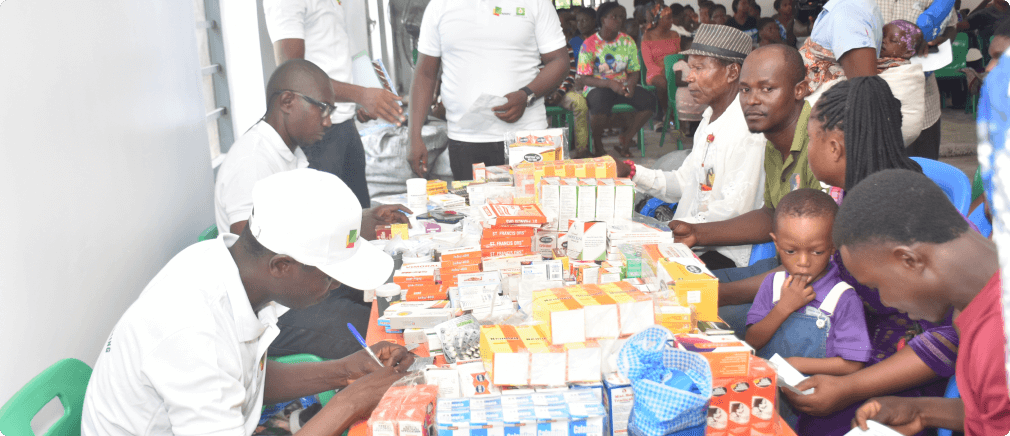
The outreach brought together doctors, nurses, pharmacists, dentists, ophthalmologists, laboratory specialists and public health practitioners. Residents could therefore access several categories of healthcare within the same programme. It ranged from routine consultations and testing to specialised eye and dental screenings.
However, the programme goes beyond providing temporary access to consultations. Individuals found to require surgery for treatable eye conditions during the outreach were enrolled in a dedicated eye surgery programme at the Federal Medical Centre, Yenagoa. The Joint Venture will fully fund the surgeries as an extension of the medical intervention.
That follow-through is significant because identifying a medical condition does not necessarily translate into treatment. For patients in communities where specialist healthcare may be difficult or expensive to reach, the cost of completing treatment can become another barrier.
Four Years Of Sustained Intervention
According to FIRST E&P, the KEFFESO Medical Outreach has reached more than 10,000 people across the 11 communities during its four years of implementation. The scale of that reach places the initiative within a broader conversation about the role of businesses operating in host communities.
For companies in the extractive sector, community investment is often discussed in terms of infrastructure, employment and economic development. Healthcare, however, is equally connected to a community’s ability to participate in those opportunities.
A resident struggling with an untreated health condition may face difficulty attending work, running a business or supporting a child’s education. Likewise, preventable or treatable conditions can place additional financial pressure on households that already face challenges accessing specialist services. Consequently, healthcare interventions can have implications beyond the immediate medical benefit.
See Also: Love in Action 3.0 to Bring Free Healthcare, Skills and Relief
From Outreach to Longer-Term Health Outcomes
The KEFFESO intervention also raises an important question for corporate community investment: what happens after the medical team leaves? Medical outreaches can provide immediate value, particularly in underserved locations. Yet their longer-term impact depends partly on whether they complement, rather than replace, access to permanent healthcare systems.
In this case, the combination of consultations, screening, health education and referrals creates several points of intervention. Early detection can help residents identify health conditions sooner, while health education can improve awareness of preventive practices. The inclusion of laboratory services, dental care and eye care also broadens the programme beyond a single category of medical need.
Still, sustained impact will ultimately depend on what happens between outreach cycles. Continued partnerships with local health institutions, effective referrals, access to medicines, follow-up care and stronger links with existing public healthcare structures can help ensure that people identified during outreach do not fall through the cracks.
This is particularly relevant in remote communities, where geographical isolation can continue to affect healthcare access even after a successful outreach programme.
A Wider Responsibility For Extractive Companies
Emmanuel Etomi, Executive Director, Corporate Services at FIRST E&P, represented by Head of Social Performance Ayebatonye Benjamin-Basuo, said the programme forms part of the company’s wider commitment to host-community well-being through investments in healthcare, education and economic empowerment. That approach reflects a broader expectation around responsible business in communities where extractive activities take place.
For host communities, corporate social investment is not only about the number of projects delivered. It is also about whether interventions respond to genuine needs, reach people who face access barriers and produce benefits that can be sustained over time.
The KEFFESO outreach demonstrates one approach by combining preventive care, diagnosis, treatment and specialist referrals. Its continuation for a fourth year also provides an opportunity to assess how such programmes can work alongside public healthcare systems rather than operating separately from them.
For Bayelsa’s remote communities, access to a doctor, laboratory test or specialist screening can represent an important intervention. Yet the larger measure of success lies in whether those interventions contribute to healthier households and stronger communities over the long term.
As companies continue to invest in host-community development, healthcare programmes such as KEFFESO offer a useful reminder that responsible business is not only about what organisations build. It is also about whether the people living around their operations can access the basic services needed to thrive.
Stay with CSR Reporters for more stories examining how corporate investment is shaping health, livelihoods and community development across Africa.
[give_form id="20698"]