Algeria’s National Oil Company in Targeted Partnership to Cut Oil and Gas Emissions
 ROSEMARY IMOBHIO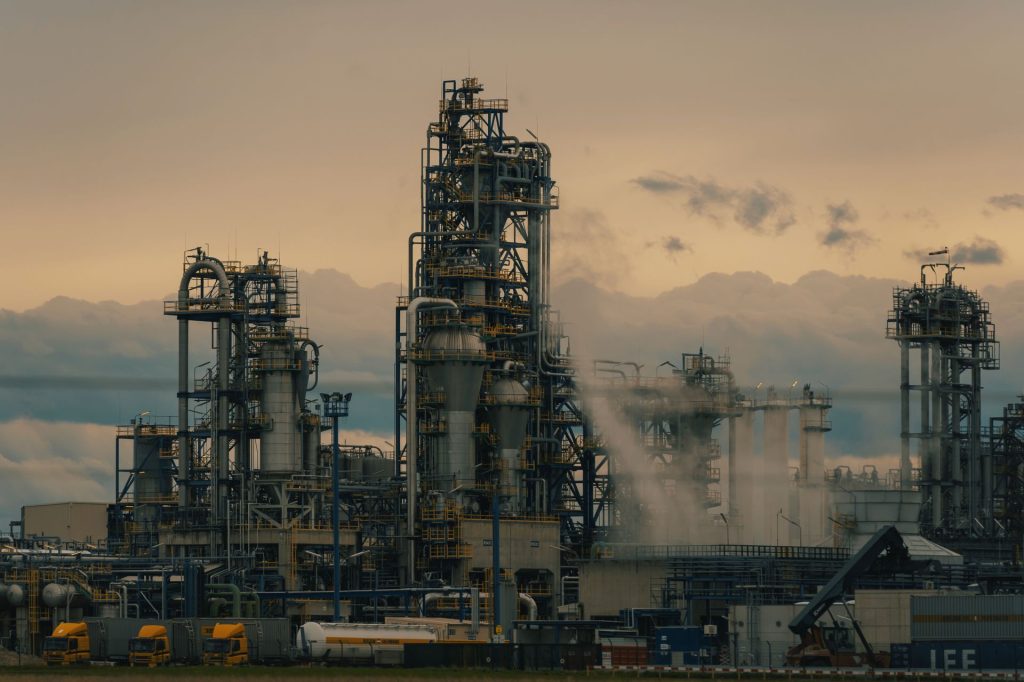
Africa still leans on oil and gas for revenue, power and industry. At the same time, methane leaking from wells, pipelines and processing plants warms the atmosphere far faster than carbon dioxide does over the short term. That tension explains why an emissions agreement in Algeria deserves attention well beyond Algiers.
On 17 August 2026, Sonatrach and Eni signed a memorandum of intent to expand their cooperation on emissions reduction in Algeria, including methane. According to both companies, it builds on a 2023 agreement focused on gas flaring and upstream emissions. The reporting around it raises a bigger question for the continent. Now that African operators can detect and measure emissions, what should stakeholders expect next?
What the Algeria Agreement Adds
The companies say the earlier phase produced technical analyses, training and field visits. They also describe a leak detection and repair campaign (LDAR), which means finding gas escaping from equipment and fixing it. Sonatrach says the campaign led to a significant reduction in fugitive emissions. Neither company’s announcement, in the versions reviewed, gives a figure.
Eni says routine LDAR campaigns now run autonomously across the joint ventures it operates with Sonatrach. Both companies also completed a baseline emissions assessment at six upstream facilities. A baseline matters because it gives future claims something to be measured against. The expanded agreement adds methane monitoring and natural carbon removal through forestry, although a memorandum of intent signals direction rather than delivery.
Context helps here. The World Bank’s flaring tracker, as cited by Middle East Economic Survey, put Algeria’s 2025 flaring at 8.35 billion cubic metres, the seventh largest in the world. So the work has room to prove itself.
Nigeria Offers a Useful Comparison
Nigeria approaches the same problem through regulation as well as partnership. The upstream regulator, NUPRC, issued guidelines for managing methane and greenhouse gases in 2022. According to the International Energy Agency’s policy database, those guidelines support Nigeria’s goals of ending routine flaring by 2030 and cutting fugitive methane by 60 percent by 2031.
In April 2026, NUPRC directed upstream operators toward measurement-based reporting. Operators must report using IPCC Tier 2 methods from the third quarter of 2026, then move fully to Tier 3 by January 2027. In plain terms, that means replacing estimates with actual measurements. The regulator itself acknowledged technical capacity limits and gaps in monitoring infrastructure.
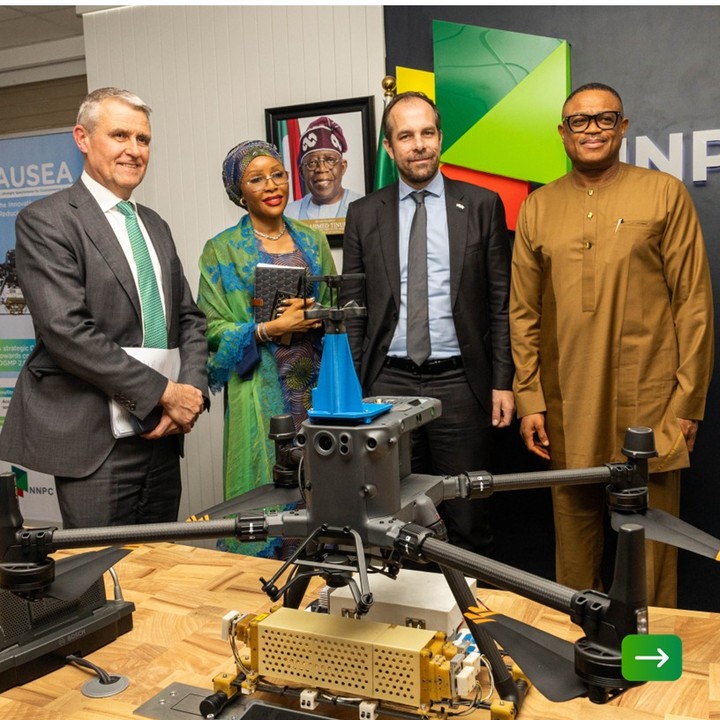
On the industry side, NNPC Limited has renewed its partnership with TotalEnergies for another 24 months to deploy AUSEA, a drone-based system that detects and measures methane. NNPC links the work to the Oil and Gas Decarbonisation Charter, the Oil and Gas Methane Partnership 2.0 and its ambition of near-zero methane emissions by 2030. Meanwhile, TotalEnergies says it was the first producer in Nigeria to eliminate routine flaring across its operated assets.
Neither country sits clearly ahead of the other. Algeria’s programme is a company partnership with early operational results. Nigeria’s combines a regulatory framework, public targets and industry collaboration, though its reporting system has faced criticism.
A report from the Natural Resource Governance Institute, accessed by CSR Reporters, noted that earlier rules relied on self-reporting and did not require independent validation. The 2026 directive responds to part of that concern, yet its results remain to be seen.
Measuring Is Not the Same as Reducing
A sensor can find a leak. Only a repair stops it. Likewise, a baseline can show how much gas a facility loses, but it cannot lower that figure alone.
For that reason, the next phase matters more than the last. Stakeholders can reasonably look for fewer leaks over successive surveys and for repairs completed after detection. They can also look for reduced venting and routine flaring, plus reporting that separates methane from other gases. Above all, they should expect data that outsiders can check.
Production growth complicates the picture. Africa’s gas and oil output may rise, and CSR Reporters expert analysis of the Algeria deal notes that total emissions can grow even when each facility becomes more efficient. Therefore, intensity figures alone will not settle the question. Absolute emissions deserve equal scrutiny.
What Accountability Requires
Different groups need different things from this work. Regulators need the capacity to verify what operators report, as well as the willingness to act when reports show problems. Investors and buyers, particularly those exporting into markets with strict methane rules, will want evidence they can trust. Companies, for their part, gain credibility when they publish results, including disappointing ones.
Host communities deserve a place in this conversation too. Many live beside flares, pipelines and processing sites, so they experience operational emissions directly. Clear information on what operators detect, repair and reduce would build more trust than any sustainability slogan.
African governments face a further choice. They can treat methane data as a compliance exercise, or they can use it to manage resources better, because escaping gas is also lost product and lost revenue. The second path serves both the climate and the budget.
From Agreements to Evidence
Algeria’s agreement shows where the sector is heading: toward routine detection, regular repair and baselines that future results can be tested against. Nigeria’s experience shows how regulation, corporate partnerships and public targets can reinforce each other, and where gaps in verification can weaken them.
Both cases share an open question. Will better measurement produce better environmental performance, or will methane accountability remain another set of targets and reports?
Follow CSR Reporters for clear, independent coverage of responsible business, sustainability and impact across Africa.
[give_form id="20698"]