csrreporters
Nigeria’s veterinarians are reclaiming their central role in national health and food systems, as the Nigerian Veterinary Medical Association (NVMA) concluded its 61st Annual National Congress and General Meeting in Jalingo, Taraba State, with bold resolutions aimed at reforming animal health governance, ensuring food safety, and enhancing professional welfare across the country.
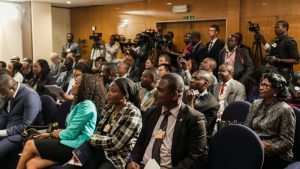
The three day congress, themed “Animal Health, Food Safety and Security: Ensuring a Healthy and Productive Nigeria,” convened hundreds of delegates including veterinary professionals, policymakers, researchers, and private sector representatives to chart a new direction for the nation’s livestock management and public health systems.
Hosted at Crest Resort, the event tagged “Nature’s Gift 2025”, underscored a renewed commitment to innovation, collaboration, and transformation within Nigeria’s food ecosystem.
Among the key resolutions was the approval of a ₦200,000 minimum monthly salary for veterinarians in private hospitals and clinics nationwide a move widely hailed as a landmark decision toward improving welfare and equity in the profession.
Presenting the policy highlights, NVMA President, Dr. Moses Arokoyo, described the decision as “a step toward restoring the dignity of veterinary practice and aligning professional welfare with national standards.”
Arokoyo lamented the underutilisation of Nigeria’s vast livestock potential estimated at over 400 million animals due to inadequate veterinary presence at the grassroots level. He emphasised that many Local Government Areas still lack resident veterinarians, resulting in economic losses and rising risks of animal-borne diseases.
“Animal health is the foundation of food security and public health,” Arokoyo stated. “If properly harnessed, veterinary services can contribute billions to Nigeria’s GDP while creating sustainable rural livelihoods.”
He further urged the Federal Government to implement the 65-year retirement age for all healthcare workers, including veterinarians, and called on state governments to domesticate the newly established Federal Ministry of Livestock Development to strengthen livestock governance nationwide.
The NVMA President also called for a state of emergency on abattoirs, insisting that all slaughter operations must be conducted under proper veterinary supervision to guarantee food safety and protect public health.
Delivering the keynote address on behalf of Governor Mohammed Umar Bago of Niger State, Dr. Jonathan Wasa, Permanent Secretary of the Ministry of Livestock and Fisheries, reaffirmed the critical connection between animal health, food safety, and national economic resilience.
He highlighted Niger State’s recent achievements, including the employment of 21 veterinarians and 27 technologists, the establishment of the Pasture and Grazing Reserve Development Programme, and the introduction of the Veterinary Inspection Permit and Animal Movement Security System for disease traceability and livestock control.
“Healthy animals mean healthy people and a healthy economy,” Governor Bago said through his representative. “Our goal is to integrate animal, human, and environmental health the true essence of the One Health approach.”
The congress also inaugurated a 33-member NVMA Think Tank to design a strategic roadmap for the profession’s future — spanning education, research, regulation, and global collaboration. In addition, the association unveiled the NVMA Lapel Pin, symbolising renewed unity and purpose under the slogan “Veterinarians: Safeguarding Animal and Public Health.”
Technical sessions tackled key issues such as Foot and Mouth Disease, Ruminant Vaccination, Antimicrobial Resistance, and Zoonotic Disease Surveillance, with resolutions focused on improving vaccine coverage, enhancing surveillance systems, raising public awareness, and enforcing stricter livestock movement controls during outbreaks.
In a communiqué signed by Dr. Grace Sabo Nok (Chairman), Dr. Abdulkadeer Umar Baba (Secretary), and Dr. James Clinton Shawulu (Member), the NVMA reaffirmed its commitment to championing policies that guarantee safe food, healthy animals, and a resilient national economy.
“We move forward united in purpose, driven by science, and committed to a healthier, safer, and more productive Nigeria,” the communiqué concluded.
From Jalingo’s vibrant deliberations, one message stood out: Nigeria’s veterinarians are stepping forward to lead the charge for health, food security, and sustainable national growth.
[give_form id="20698"]