csrreporters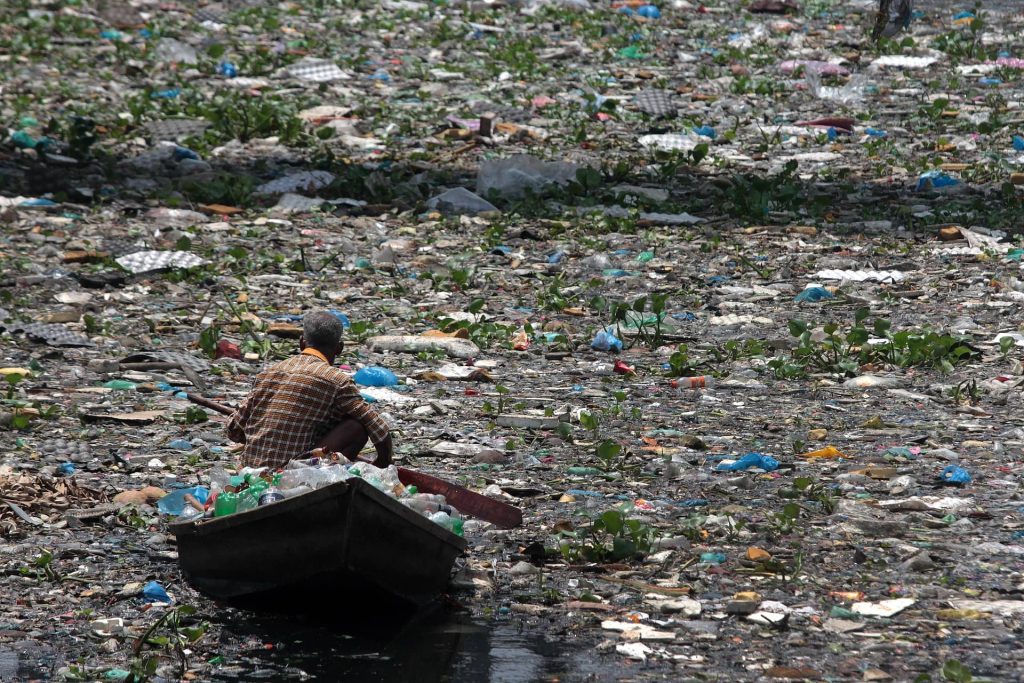
For years, plastic waste has quietly piled up in drains, waterways, and landfills
Nigeria’s relationship with single-use plastics is changing, and not a moment too soon. For years, plastic waste has quietly piled up in drains, waterways, and landfills, becoming part of daily life in cities like Lagos and Port Harcourt. However, that normalization is now being challenged. The country is gradually, and sometimes unevenly, moving toward a future where single-use plastics are no longer the default.
This shift is not happening in isolation. It is driven by policy reforms, legislative momentum, state-level enforcement, and growing pressure on businesses to rethink how they produce, package, and distribute goods. While a nationwide ban may still be years away, with 2040 emerging as a realistic long-term target, the journey has clearly begun.
For businesses, the message is becoming harder to ignore. Transitioning is no longer optional. It is a matter of timing, strategy, and survival in an evolving regulatory and environmental landscape.
The Scale of Nigeria’s Plastic Problem
Nigeria generates approximately 2.5 million tonnes of plastic waste every year. Yet, there is only recycling of less than 10 percent of that. As a result, the majority ends up in dumpsites, drains, rivers, and eventually the ocean. This is not just an environmental issue. It is a public health crisis and an economic inefficiency rolled into one.
Plastic waste blocks drainage systems, which contributes to frequent urban flooding. It contaminates soil and groundwater, affecting agriculture and food safety. In coastal regions, it threatens marine ecosystems and livelihoods tied to fishing.
More concerning is the invisible impact. Over time, plastics break down into microplastics that enter the food chain. This means that the same materials used for convenience are gradually finding their way back into human bodies.
Therefore, the urgency is not theoretical. It is immediate, visible, and increasingly costly.
Why Single-Use Plastics Are Particularly Harmful
Single-use plastics are designed for convenience, but that convenience comes at a steep cost. These materials are typically used once and discarded within minutes. However, they can persist in the environment for hundreds of years.
Polypropylene, a common material in packaging, illustrates this challenge. It does not biodegrade easily. Instead, it lingers in landfills for up to 500 years. During production, it releases harmful chemicals such as formaldehyde and benzene, which pose risks to both workers and nearby communities.
When burned, plastic waste emits toxic fumes that degrade air quality and increase respiratory illnesses. If dumped, it leaches chemicals into soil and water systems. When washed into oceans, it harms marine life that often mistake plastic for food.
In short, single-use plastics create a full lifecycle problem. They are harmful at production, dangerous in disposal, and persistent in the environment.
Policy Momentum Is Building
Nigeria has not been idle in the face of this challenge. Over the past few years, the federal government has taken several steps to address plastic pollution, although implementation has often lagged behind ambition.
The National Policy on Plastic Waste Management, introduced in 2020, laid the groundwork for a more structured approach. It emphasized resource efficiency, cleaner production, and environmental protection. However, policy alone was not enough.
In 2024, the Federal Ministry of Environment launched a comprehensive national roadmap to combat plastic pollution. Developed in collaboration with the Global Plastic Action Partnership, the roadmap outlines a coordinated strategy across the entire plastic value chain.
This includes policy reform, financing mechanisms, behavioral change, and innovation. Importantly, it also recognizes the role of the informal sector, which plays a significant part in waste collection and recycling in Nigeria.
By aligning with global efforts, including ongoing negotiations among 175 countries for a legally binding agreement on plastic pollution, Nigeria is positioning itself within a broader international movement.
Legislative Action Signals Serious Intent
Policy direction has now been reinforced by legislative action. In July 2025, the House of Representatives established an ad hoc committee to oversee Nigeria’s transition away from single-use plastics. Led by Honourable Terseer Ugbor, the committee is tasked with evaluating readiness across government agencies and the private sector.
This move marks a critical shift from discussion to execution. It introduces accountability and creates a platform for stakeholder engagement.
By October 2025, the committee had already proposed a green tax on polypropylene manufacturers. This proposal is designed to ensure that producers bear some responsibility for the environmental costs of their operations.
At the same time, the Federal Government inaugurated an inter-ministerial committee to coordinate the implementation of a nationwide ban. This committee brings together multiple agencies to ensure that efforts are not fragmented.
Together, these developments show a clear pattern. Nigeria is moving from policy formulation to policy enforcement.
A Phased Approach Toward 2040
Despite the urgency, Nigeria is not pursuing an abrupt ban. Instead, policymakers are advocating for a phased approach that balances environmental goals with economic realities.
In March 2026, the Speaker of the House of Representatives, Tajudeen Abbas, emphasized the need for careful planning. He acknowledged that the plastics industry supports millions of livelihoods, both directly and indirectly.
Stakeholders, including industry groups like the Food and Beverage Recycling Alliance, have proposed 2040 as a realistic timeline for a complete phase-out of difficult-to-recycle plastics.
This timeline allows for gradual transition. It provides space for infrastructure development, innovation, and workforce reskilling. It also reduces the risk of economic disruption.
However, a phased approach does not mean delayed action. It means structured action with clear milestones.
Lagos Is Already Setting the Pace
While national efforts continue to evolve, Lagos State has taken a more aggressive stance. It led the way by banning Styrofoam in January 2024. Abia State soon followed Lagos, and in March, Oyo State banned the use of polystyrene for food packaging, citing environmental harm and food poisoning risks. Anambra State also implemented a ban on polystyrene.
Lagos state continued leading the way with the state government announcing the full enforcement of a ban on single-use plastics starting July 1, 2025. This decision did not happen overnight. It followed months of stakeholder engagement and a transition period of approximately 18 months. During this time, businesses were expected to adapt and explore alternatives.
The Lagos State Government has framed the ban as an existential necessity. With its dense population and coastal geography, the state faces heightened risks from plastic pollution.
Early indications suggest that compliance is improving, although challenges remain. For businesses operating in Lagos, the future is already here.
What This Means for Businesses
For businesses, this transition is not just a regulatory issue. It is a strategic one. The shift away from single-use plastics will affect supply chains, production processes, packaging design, and cost structures.
Companies that wait for full enforcement may find themselves scrambling to adapt. On the other hand, those that begin transitioning early can gain a competitive advantage.
There are several areas where businesses need to act:
- Rethink Packaging
Businesses must explore alternatives such as biodegradable materials, reusable packaging, and refill systems. While these options may initially be more expensive, costs are likely to decrease as adoption increases. - Invest in Recycling Systems
Supporting recycling infrastructure, either independently or through partnerships, can help businesses manage waste more effectively. - Embrace Extended Producer Responsibility
Producers are increasingly expected to take responsibility for the entire lifecycle of their products. This includes collection, recycling, and disposal. - Engage Consumers
Behavioral change is critical. Businesses can play a role by educating consumers and encouraging sustainable choices.
The Economic Opportunity Within the Challenge
While the transition may seem daunting, it also presents significant opportunities. The shift toward a circular economy can create jobs, attract investment, and stimulate innovation.
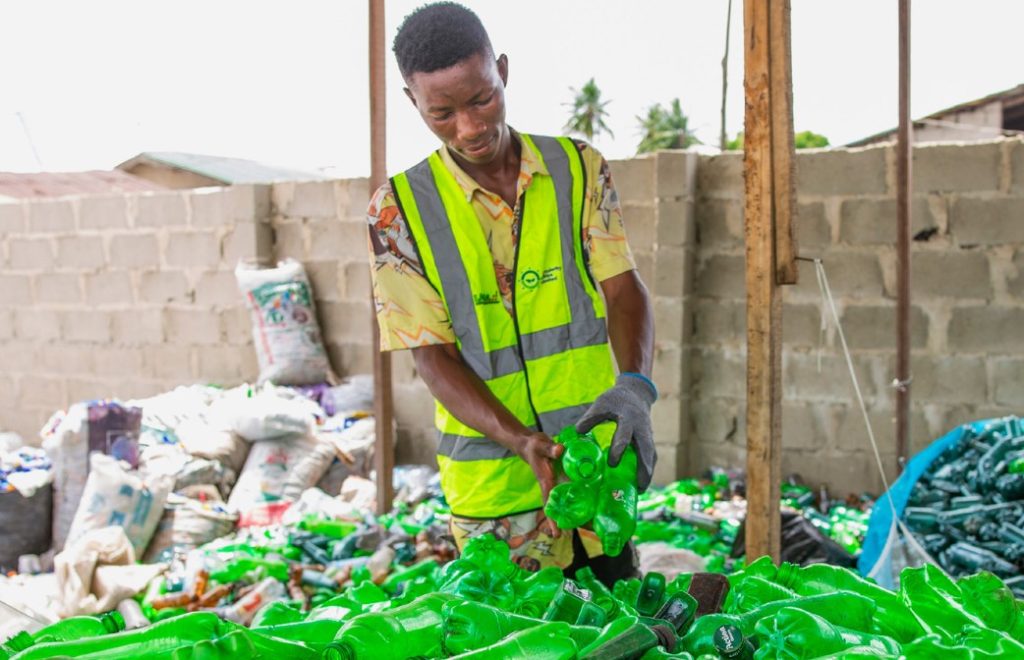
Recycling, waste collection, and alternative material production are all growth sectors. In fact, Nigeria’s plastic roadmap explicitly highlights the potential for micro, small, and medium enterprises to thrive in this space.
Foreign investors are also paying attention. As global sustainability standards tighten, markets that demonstrate progress become more attractive.
Therefore, the move away from single-use plastics is not just about compliance. It is about positioning for future growth.
The Road Ahead
Nigeria’s journey toward banning single-use plastics is still unfolding. Progress has been made, but challenges remain. Policy gaps, infrastructure deficits, and behavioral resistance continue to slow momentum.
However, the direction is clear. Federal initiatives, legislative action, and state-level enforcement are aligning toward a common goal.
For businesses, the question is no longer whether change is coming. It is how prepared they are to meet it. The transition will require investment, innovation, and collaboration. Yet, it also offers a chance to build a more resilient and sustainable economy.
Those who recognize this early will not only comply with future regulations. They will help shape the future of Nigeria’s environmental and economic landscape.
At CSR Reporters, we track policies, their progress, and the real impact on businesses and communities. Stay informed, visit our website daily for more insights, opportunities, and updates on sustainability and responsible business practices.
[give_form id="20698"]