Relief as Abducted Oyo Teachers and Students Regain Freedom, but the Journey to Recovery Begins
 ONYINYECHI NWAIGBA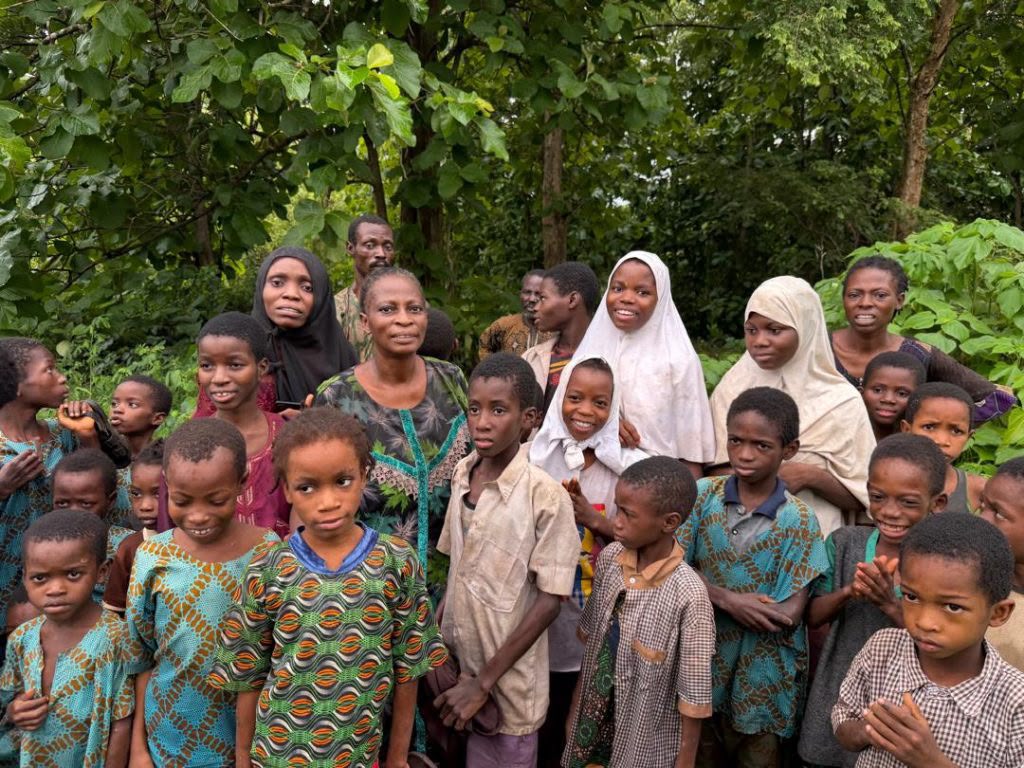
The release of the teachers and students abducted from schools in Oyo State has brought immense relief to families, educators, and communities who have spent weeks hoping for their safe return.
The victims were kidnapped in May after armed men attacked the school in the community, an incident that disrupted academic activities, sparked public concern, and renewed conversations about the safety of schools in Nigeria. The abduction also prompted industrial action by the Nigeria Union of Teachers (NUT), as educators demanded stronger measures to protect schools and those who learn and work in them.
News of the victims’ release has been welcomed across the country, with many describing it as a moment of hope after weeks of uncertainty. For parents and relatives, it marks the end of an agonising wait. For classmates, colleagues, and members of the affected communities, it is an opportunity to begin rebuilding after a traumatic experience.
While the circumstances surrounding the operation that secured their freedom continue to emerge, the development underscores the importance of sustained efforts by security agencies and relevant authorities to combat kidnapping and protect vulnerable communities.
However, as the celebrations continue, attention is gradually shifting from rescue to recovery.
For the teachers and students who endured weeks in captivity, returning home is only one part of the journey. Mental health professionals and humanitarian organisations have consistently stressed that survivors of abduction may require comprehensive medical examinations, trauma counselling, psychosocial support, and continued care to help them recover from the physical and emotional effects of such experiences.
As of the time of reporting, it remains unclear what structured post rescue support has been arranged for the victims. Beyond ensuring their safe return, education stakeholders, healthcare professionals, and child protection advocates will be looking to see what measures are put in place to support their rehabilitation and reintegration into everyday life.
Mental health support is often one of the less visible aspects of emergency response in Nigeria. While rescue operations understandably receive immediate attention, the psychological wellbeing of survivors also deserves sustained care and support to help them rebuild their lives after traumatic experiences.
This is where governments, healthcare institutions, development partners, corporate organisations, and civil society organisations all have important roles to play. Providing access to counselling, psychosocial services, medical care, and educational support can help survivors recover with dignity while strengthening community resilience in the aftermath of crises.
The safe return of the Oyo teachers and students is undoubtedly a moment worth celebrating. It also serves as a reminder that true recovery extends beyond rescue. Ensuring that survivors receive the care, protection, and support they need is just as important as securing their freedom.
As Nigeria welcomes these teachers and students back to their families and communities, many will hope that their return marks not only the end of a painful ordeal but also the beginning of a comprehensive recovery process that leaves no survivor behind.
[give_form id="20698"]