csrreporters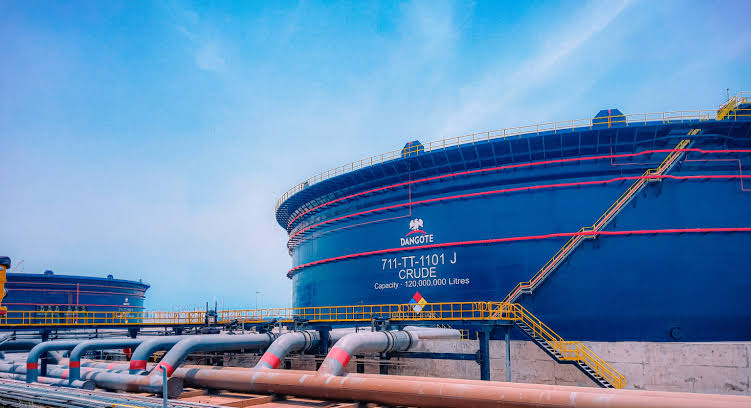
Nigeria’s aviation sector may be entering a phase of cautious optimism following a fresh reduction in the price of aviation fuel by the Dangote Petroleum Refinery & Petrochemicals, a move that could significantly reshape cost dynamics across the industry.
The refinery has lowered the price of Jet A1 fuel to ₦1,650 per litre, down from approximately ₦1,750, marking one of the most notable downward adjustments in recent months. The decision comes amid persistent volatility in the downstream petroleum market and rising operational pressures on airlines.
For an industry where fuel accounts for a substantial share of costs, the price cut is more than a routine adjustment, it signals a potential shift in how aviation fuel is priced, supplied, and accessed in Nigeria.
A Strategic Intervention in a High‑Cost Environment
Nigeria’s aviation sector has long grappled with high and unpredictable aviation fuel prices, driven by dependence on imports, foreign exchange constraints, and global crude oil fluctuations. Jet A1 fuel, the lifeblood of airline operations, has surged above ₦2,000 per litre at times, forcing airlines to raise ticket fares and reconsider route viability. Against this backdrop, the latest reduction to ₦1,650 per litre represents a strategic intervention aimed at stabilising a critical segment of the transport economy.
Industry observers note that the price adjustment is not happening in isolation. It reflects broader efforts by the refinery to position itself as a key supplier in Nigeria’s domestic fuel ecosystem while reducing the systemic inefficiencies associated with import dependence.
Immediate Impact on Airline Operations
For domestic airlines, aviation fuel typically accounts for between 40 and 50 percent of total operating expenses, making it the single most significant cost driver. Any reduction in fuel prices therefore has a direct and immediate impact on operating margins, ticket pricing structures, route sustainability, and fleet utilisation efficiency.
With the new pricing benchmark, airlines may experience some easing of financial pressure, particularly on high‑frequency domestic routes where fuel consumption is substantial. While it may be too early to expect a sharp drop in ticket prices, the reduction could help slow the pace of fare increases and provide operators with greater flexibility in pricing strategies. In an industry that has repeatedly warned of potential service disruptions due to escalating costs, this move could also restore a measure of operational confidence.
Enhancing Supply Reliability
Beyond pricing, one of the longstanding challenges in Nigeria’s aviation sector has been the inconsistent supply of Jet A1 fuel. Airlines have frequently faced delays and disruptions caused by shortages, logistical bottlenecks, and import‑related uncertainties. These disruptions often cascade into flight delays, cancellations, and increased operational costs.
By strengthening domestic refining capacity, the Dangote refinery is positioned to address some of these challenges. A steady and reliable supply of aviation fuel could reduce dependence on imported products, minimise supply chain disruptions, improve scheduling reliability for airlines, and ultimately enhance passenger experience. This dual focus on price reduction and supply stability suggests a more integrated approach to addressing sector‑wide challenges.
Shift Toward Naira‑Based Transactions
One of the most significant structural changes accompanying the price reduction is the refinery’s move toward naira‑denominated transactions for aviation fuel. Historically, aviation fuel pricing in Nigeria has been heavily influenced by the US dollar, exposing airlines and fuel marketers to foreign exchange volatility. Fluctuations in the naira have often translated directly into higher fuel costs, even when global crude prices remained stable.
The transition to naira‑based pricing could reduce foreign exchange exposure for airlines, improve cost predictability, and simplify transaction processes within the domestic market. In addition, the refinery is reportedly offering a 30‑day interest‑free credit facility to qualified buyers, backed by bank guarantees. This financing model could ease liquidity constraints for airlines and marketers, allowing for more efficient cash flow management. Together, these measures represent a shift not just in pricing, but in the financial architecture of Nigeria’s aviation fuel market.
Broader Economic and ESG Implications
The price cut also carries broader implications beyond the aviation sector, particularly when viewed through an Environmental, Social, and Governance (ESG) lens. From an economic standpoint, lower aviation fuel costs can support business travel and trade connectivity, enhance the viability of regional air routes, and contribute to overall economic productivity.
Socially, improved airline stability can lead to more reliable air travel, benefiting passengers, businesses, and communities that depend on air connectivity. From a governance perspective, the move signals an evolving market structure where domestic capacity plays a more central role in price formation and supply stability.
However, it is important to note that lower fuel prices do not automatically translate into lower environmental impact. Increased affordability could lead to higher flight frequency, potentially raising emissions unless accompanied by sustainability measures such as improved fuel efficiency and carbon management strategies.
Reducing Import Dependence
One of the most transformative aspects of the Dangote refinery’s operations is its potential to reduce Nigeria’s reliance on imported refined petroleum products. For decades, Nigeria has exported crude oil while importing refined products, including aviation fuel — a paradox that has contributed to price instability and supply vulnerabilities.
With large‑scale domestic refining capacity now coming online, the country can retain more value within its economy, supply chains can become shorter and more efficient, and pricing can become more reflective of local conditions. The aviation fuel price reduction may therefore be an early indicator of a broader structural shift in Nigeria’s energy landscape.
Market Competition and Price Dynamics
The refinery’s pricing strategy could also influence competition within the downstream petroleum sector. By offering relatively lower prices and flexible payment terms, the Dangote refinery may set new benchmarks for aviation fuel pricing, encourage competitive pricing among other suppliers, and drive efficiency improvements across the market.
Over time, increased competition could benefit airlines and consumers alike, fostering a more balanced and responsive market environment. However, the sustainability of the current price level will depend on several factors, including crude oil prices, operational costs, and overall market demand.
Cautious Optimism for the Aviation Sector
While the price reduction is widely seen as a positive development, industry stakeholders are approaching it with cautious optimism. Key questions remain: Will the lower price be sustained over time? How will global oil market trends influence future pricing? And to what extent will airlines pass on cost savings to passengers?
Despite these uncertainties, the move represents a meaningful step toward addressing one of the most pressing challenges in Nigeria’s aviation sector.
The Road Ahead
The reduction of aviation fuel prices to ₦1,650 per litre marks more than a temporary adjustment — it reflects a broader shift in Nigeria’s energy and aviation ecosystems. If sustained, the development could improve airline profitability and operational stability, enhance passenger affordability over time, and strengthen the resilience of the aviation sector.
More importantly, it underscores the growing role of domestic refining in shaping the country’s economic trajectory. As Nigeria continues to navigate complex energy and economic challenges, interventions like this highlight the potential for locally driven solutions to deliver tangible impact across critical sectors.
For now, the aviation industry and the passengers it serves will be watching closely to see whether this price cut signals the beginning of a more stable and predictable era.
Read further: Three Nations, One Crisis: Aviation Fuel Under Siege
[give_form id="20698"]