ROSEMARY IMOBHIO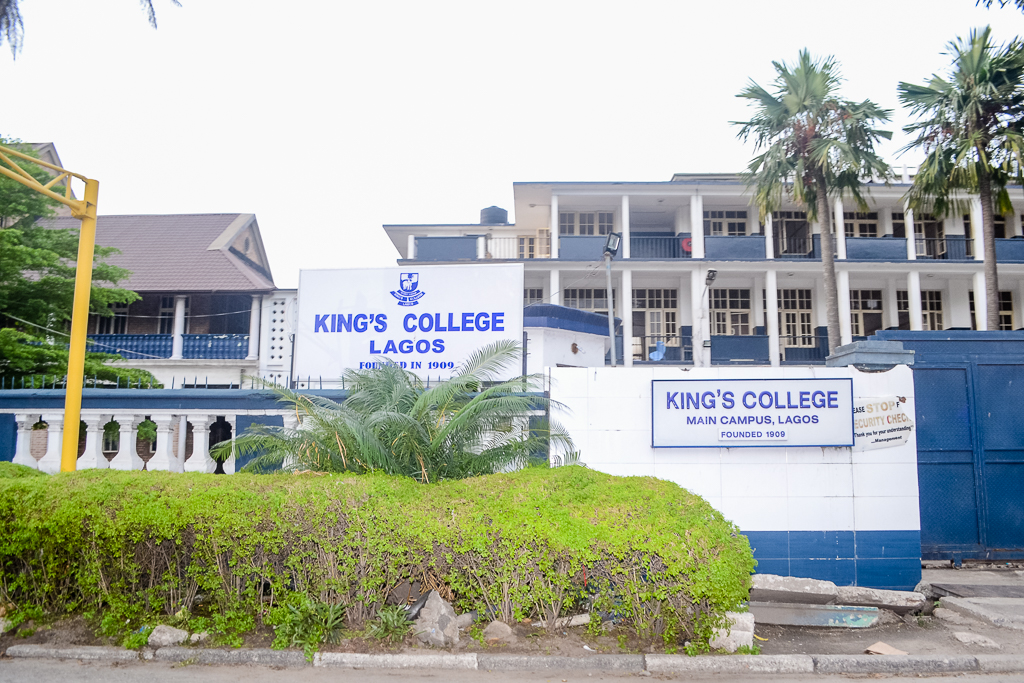
By Kaizen Photography - Wikimedia User Group Nigeria, CC BY-SA 4.0, https://commons.wikimedia.org/w/index.php?curid=50374105
Nigeria’s Federal Unity Colleges remain unopened following workers’ opposition to the proposed concession of King’s College, Lagos. The development has disrupted activities as workers protest against the government’s plan. Meanwhile, parents and other stakeholders are raising concerns about what the arrangement could mean for public education.
Although the government has described the arrangement as a concession rather than an outright sale, the distinction has not removed concerns. For workers and parents, the bigger issue is what happens to these institutions after private management takes over. The controversy therefore goes beyond King’s College and touches Nigeria’s broader approach to public education.
What the Proposed Concession Means
The proposed arrangement would transfer the management of King’s College to its Old Boys Association under a concession framework. This means the institution would remain a public asset while another entity assumes significant management responsibilities. However, the precise terms of the arrangement remain important to understanding its long-term implications.
King’s College has occupied an important place in Nigeria’s educational history since its establishment in 1909. Generations of Nigerians have passed through its classrooms, making it more than an ordinary public institution. Therefore, changes to its management naturally attract attention from former students, parents, workers and the wider public.
The development has also created concerns about other Federal Unity Colleges. Workers and parents fear that the arrangement could establish a model for transferring management responsibilities across the wider system. That possibility has made the debate about King’s College part of a much larger conversation about public education.
At the heart of the debate is whether concession can improve educational outcomes while protecting the schools’ public purpose. That question cannot be answered without examining the financial, social and governance conditions attached to the arrangement. It also requires transparency about what the government expects the concessionaire to deliver.
Why Workers and Parents Are Concerned
Workers have opposed the arrangement because of concerns about government ownership and the future of their employment. They argue that public institutions should receive adequate government funding rather than rely increasingly on private management. Their concerns also extend to institutional control and the future direction of the affected schools.
Parents are similarly concerned about affordability and access. They fear that private management could eventually create pressure for higher fees or additional charges. Such concerns carry greater weight as Nigerian families already face significant financial pressure from rising education costs.
There are also concerns about the condition of existing infrastructure. Years of inadequate maintenance and investment have affected several public institutions across Nigeria. Consequently, some stakeholders question whether transferring management is the appropriate solution to problems created partly by insufficient public investment.
The controversy also highlights the importance of stakeholder engagement. Workers, parents and students are directly affected by decisions involving school management. Therefore, meaningful consultation should form part of any major reform affecting public educational institutions.
The Government’s Case for Private Participation
Private-sector participation in public infrastructure is not necessarily incompatible with public interest. Properly structured concessions can bring additional funding, technical expertise and improved management systems. However, those potential benefits depend heavily on the quality of the agreement and the strength of government oversight.
The government therefore needs to clearly explain the problems the concession is designed to solve. It should identify the expected investments, infrastructure targets and management responsibilities. It should also explain how the arrangement will protect students, workers and families.
The involvement of the Old Boys Association could potentially bring resources and institutional expertise to King’s College. Alumni organisations can provide funding, professional knowledge and networks that benefit educational institutions. However, those contributions should operate within transparent rules that protect the institution’s public character.
The government should consequently make the relevant terms available for public scrutiny. Stakeholders need clarity about the concession period, investment obligations, fees, admissions, and employment protections. Such transparency would allow the public to assess whether the arrangement genuinely serves educational interests.
The Question of Social Sustainability
From a sustainability perspective, education is not simply another government service. It is a critical investment in human capital, social mobility and economic development. Any reform affecting access to quality education therefore carries significant social consequences.
Federal Unity Colleges also have a distinctive social purpose. They bring students from different parts of Nigeria into shared learning environments. This creates opportunities for national integration while providing access to education beyond students’ immediate communities.
Any significant increase in educational costs could threaten that purpose. Families with limited resources may find it increasingly difficult to afford fees and related expenses. Therefore, affordability must remain central to any concession involving a public educational institution.
A concession could still preserve access if appropriate safeguards are included. Fee controls, scholarship programmes and transparent admission policies could help protect disadvantaged students. However, such safeguards would need effective monitoring to ensure they remain more than contractual promises.

Can Private Management Fix the Infrastructure Problem?
Private management could potentially accelerate improvements to school infrastructure. A concessionaire with sufficient resources could invest in classrooms, laboratories, accommodation, sporting facilities and maintenance systems. Yet private involvement alone does not guarantee better educational outcomes.
The agreement must establish specific investment obligations and measurable performance targets. It should also provide clear timelines for infrastructure delivery and maintenance. Independent monitoring would help determine whether those commitments are actually being fulfilled.
There is another important consideration for the government. Concession should not become a substitute for its responsibility to fund public education. Private participation can complement government investment, but it should not allow the state to withdraw from its obligations.
The success of any concession should therefore be measured beyond renovated buildings. Students need qualified teachers, safe facilities, affordable access and quality learning environments. Infrastructure improvements become sustainable only when they support these broader educational outcomes.
Protecting the Public Character of Unity Schools
The biggest concern is not necessarily whether private organisations can manage schools effectively. Instead, the critical question is whether they can do so while preserving the institutions’ public purpose. That distinction should guide every concession involving Federal Unity Colleges.
A sustainable arrangement should protect affordability and inclusive admissions. It should also provide clear protections for workers and establish mechanisms for holding managers accountable. Furthermore, parents and other stakeholders should have channels for raising concerns when agreed standards are not met.
The government should also consider publishing regular performance reports. Such reports could disclose infrastructure spending, educational outcomes, fee changes and compliance with contractual obligations. Public reporting would strengthen accountability and allow stakeholders to evaluate the arrangement over time.
This approach would also provide a useful framework for future public-private partnerships. Instead of measuring success solely through financial investment, government could assess social outcomes alongside infrastructure improvements. That would align public-sector concessions more closely with modern sustainability principles.
A Bigger Test for Nigeria’s Public Education System
The King’s College dispute presents Nigeria with a broader policy question. Can the country attract private investment into public education while protecting affordability, inclusion and accountability? The answer will depend less on the word “concession” and more on the safeguards surrounding the arrangement.
The government has an opportunity to demonstrate that public-private partnerships can operate transparently. It can also demonstrate that efficiency and social responsibility do not have to be competing objectives. However, achieving that balance requires meaningful stakeholder engagement and enforceable commitments.
For CSR and sustainability professionals, the situation provides a valuable case study in responsible governance. Public assets should generate value for the communities they were created to serve. Therefore, private participation should be judged by measurable social outcomes, not simply the amount of money invested.
Ultimately, the debate should not be reduced to whether the government or private organisations should manage schools. The more important question concerns how Nigeria can sustainably deliver quality education while protecting equal opportunity. The answer should involve transparent agreements, strong oversight, stakeholder participation and continued government responsibility.
The King’s College controversy may therefore become bigger than one institution. It could shape how Nigerians view the future of public education and public-private partnerships. More importantly, it could test whether infrastructure development can happen without sacrificing the social purpose of public institutions.
[give_form id="20698"]