The Methane Mystery in Ijebu-Ode: What Causes Underground Gas Leaks and Should Nigerians Be Concerned?
 ROSEMARY IMOBHIO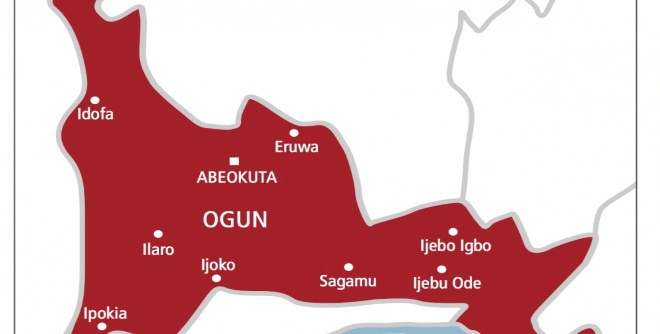
On June 3, 2026 students of Our Lady of Apostles Secondary School in Ijebu-Ode were rushed to hospital after inhaling a strange odour that had once again crept into the school compound. Just weeks earlier, on May 15, the same invisible threat had floored dozens of students, forcing parents to race to classrooms and emergency responders to mobilise across the ancient town.
By June, this had become the third time in less than three months that something rising from beneath the ground had turned ordinary school mornings into health emergencies. Across seven schools clustered in the Agoro and Okunowa Road corridor of Ijebu-Ode, Ogun State, more than 200 students and teachers have now been affected. Episodes of dizziness, nausea, breathing difficulties, and fainting have disrupted classes, hospitalised pupils, and shaken parents across one of southwestern Nigeria’s major educational towns.
The invisible culprit, investigators believe, is methane. And at concentrations peaking at approximately 13,500 parts per million at some measurement points, it is not a trace amount.
Yet the central mystery remains stubbornly unsolved: why does this gas keep emerging from beneath the same corridor of land, and where exactly is it coming from? Understanding that question matters not just for Ijebu-Ode, but for every rapidly growing Nigerian community sitting above geology no one has mapped, monitored, or planned around.
What Is Methane and Why Does It Matter?

Methane is, in many ways, a familiar molecule hiding in plain sight. It is the main component of natural gas, the fuel that powers cooking across many Nigerian homes. Chemically simple, it consists of one carbon atom bonded to four hydrogen atoms. In the right conditions, it burns cleanly. In the wrong conditions, it can quietly threaten human health.
From a climate standpoint, methane is a powerful greenhouse gas. Over a 20-year period, it traps heat at roughly 80 times the rate of carbon dioxide. This is why global efforts to reduce methane emissions from oil and gas operations, agriculture, and landfills have become a central pillar of international climate action. Nigeria, as one of Africa’s largest hydrocarbon producers, has commitments under the Global Methane Pledge to cut methane emissions across its energy sector.
However, the health concern in Ijebu-Ode is distinct from the climate concern. When methane seeps into an enclosed or semi-enclosed environment in sufficient concentration, it displaces oxygen in the surrounding air. Because methane itself is not directly toxic at moderate levels, the danger it poses is primarily one of oxygen displacement. Scientists call this asphyxiation. In poorly ventilated spaces, elevated methane concentrations can trigger exactly the symptoms documented in Ijebu-Ode. Dizziness, nausea, headaches, difficulty breathing, and fainting.
The situation becomes more complicated when other gases travel alongside methane. Investigators in Ijebu-Ode detected traces of hydrogen sulphide. This compound is notorious for its rotten-egg odour and its acute toxicity even at relatively low concentrations. Even small amounts of hydrogen sulphide can irritate the eyes, nose, and throat.
At higher levels, it can cause rapid loss of consciousness. The combination of methane and hydrogen sulphide, in a school compound with children working outdoors or in classrooms with open windows, creates a hazard that deserves serious scientific attention.
What Do We Know So Far?
Three incidents, three months, and more than 200 victims. That is the confirmed factual baseline of what has unfolded in Ijebu-Ode since April 2026.
The first episode occurred in early April. An unusual chemical odour at Our Lady of Apostles Secondary School sent approximately 30 students and teachers to hospital. Authorities initially treated it as an isolated event.
Then, on May 15, a far larger incident unfolded along the Agoro and Okunowa Road axis. Air quality monitors detected methane concentrations peaking at around 13,500 ppm in affected zones. More than 90 students across multiple schools collapsed or sought medical attention. The third outbreak arrived in early June, sending a further 69 victims, mainly students, to Ijebu-Ode General Hospital and nearby private clinics.
Previously, the state had installed an air quality monitoring device at Ijebu-Ode Grammar School. It did this as part of its environmental surveillance programme. That device detected elevated methane levels during the May incident which helped confirm the scale of the problem. All hospitalised individuals were treated and discharged.
Perhaps the most significant finding to emerge so far is geographical. Investigators have noted that the affected schools, including Our Lady of Apostles Girls School, Anglican Girls Grammar School, Ijebu-Ode Grammar School, Sambadola Private School, Titilayo Agbaje Comprehensive High School, Ifesowapo Comprehensive High School, and several primary schools in the area, all appear to lie along the same narrow corridor of land.
In a June 2026 interview, Ogun State’s Commissioner for Environment, Ola Oresanya, stated that investigators had identified what he described as a “linear geological connection” linking the affected locations. “All the points where the gas is being detected appear to lie along a straight subsurface alignment, suggesting a shared underground pathway,” he said.
In response to the recurring incidents, the Ogun State Government activated emergency environmental and public health measures. They deployed the police Explosive Ordnance Disposal unit and ordered a pipeline shutdown in the relevant area. A coordinated investigation involving geological assessors, OGEPA, and health officials also started. The investigation, as of mid-June 2026, remains ongoing.
Four Possible Explanations Experts May Be Exploring
Investigators have not yet published a definitive cause. Nevertheless, several plausible explanations are being examined. Each carries different implications for how authorities should respond.
1. Natural Geological Fractures
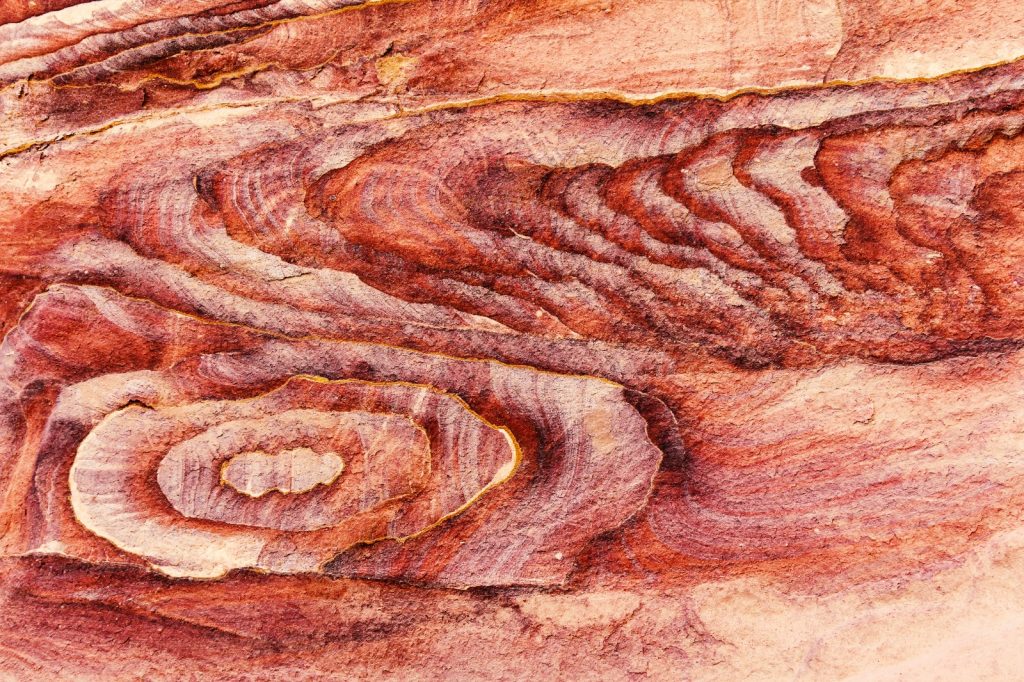
Beneath the earth’s surface, rocks are not uniformly solid. Over millions of years, tectonic forces, shifting temperatures, and pressure changes create fractures, joints, and faultoozones. Fluids and gases can migrate through these.
When gases are trapped deep underground, they search for pathways of least resistance. If a network of connected fractures exists beneath a particular area, gas can travel surprisingly long distances before finding a surface exit point.
Ogun State officials now appear to be converging on a geological explanation as the most probable cause. Commissioner Oresanya confirmed that early findings point to possible geological activity along a suspected linear fault zone cutting across parts of Ijebu-Ode. He told reporters that investigators had “succeeded in eliminating locations or sources that are not part of it”. They had “zeroed in on the fact that the gas may actually be coming from the earth’s crust.”
This type of geological gas seepage is well documented globally. Particularly in areas underlain by sedimentary rock formations that can hold organic compounds. It can also be present in regions where fault lines intersect with shallower soil layers. The consistent alignment of affected schools with a suspected subsurface fault corridor makes this explanation particularly compelling to investigators.
2. Underground Tectonic Activity
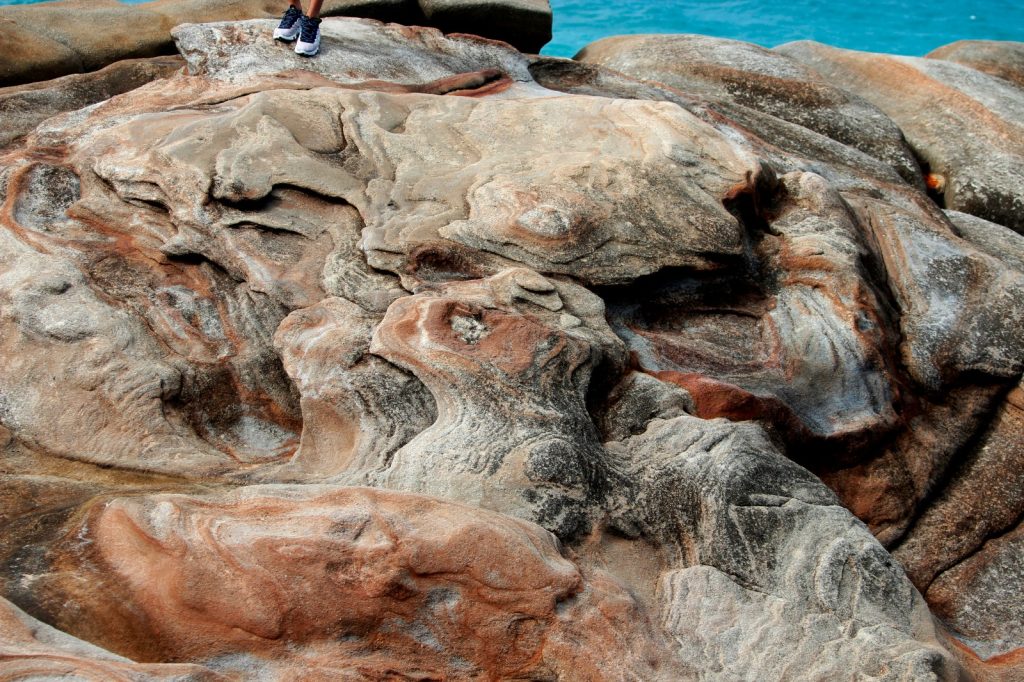
Related to but distinct from passive fracture seepage is the possibility of subtle tectonic movements. These are small shifts in subsurface rock layers that may be creating or widening pathways through which gases escape. When rock formations adjust, even imperceptibly, the pressure changes can mobilise gases that were previously trapped.
Commissioner Oresanya directly cited this possibility, noting that investigators are examining whether emissions are caused by “natural tectonic activity or influenced by human activities.” He drew an analogy to borehole drilling incidents, where workers have fainted inside wells after trapped gases suddenly vented upward.
It is important, however, to keep this in clear perspective. Tectonic activity does not necessarily mean seismic events or earthquakes. Minor and geologically routine subsurface adjustments can release trapped gases without producing any tremors that humans would feel.
Investigators have not suggested that Ijebu-Ode faces a seismic risk. No conclusions have been reached on this mechanism. What they are examining is whether subtle geological processes beneath the town are driving gas migration along known or newly identified pathways.
3. Quarrying, Blasting, and Human Disturbance
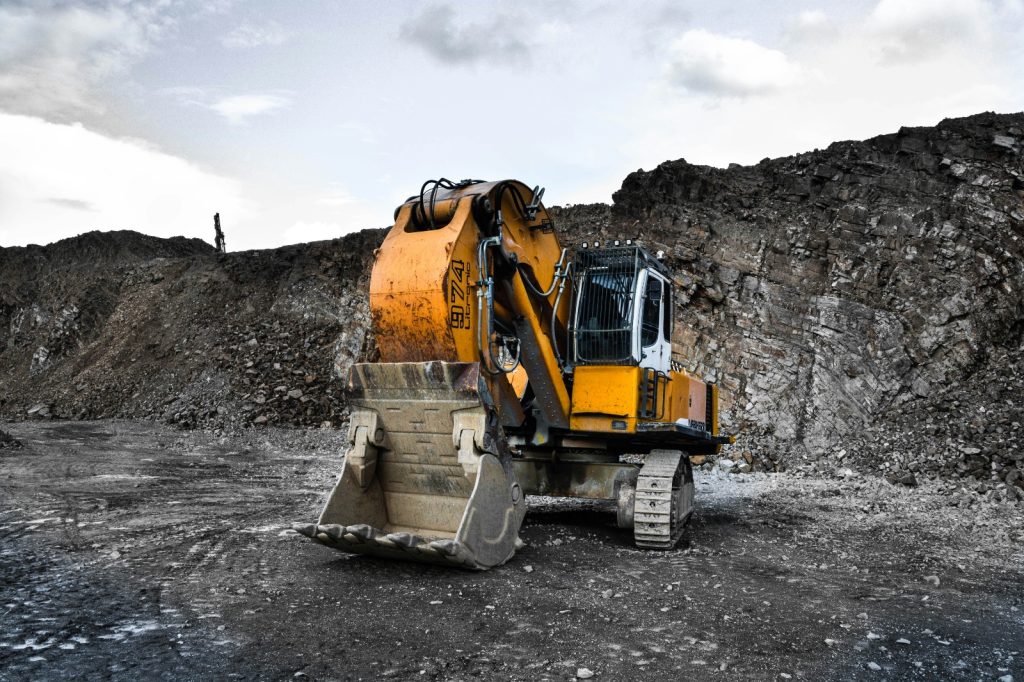
Ogun State and its surroundings contain active quarrying operations. Quarry blasting involves detonating explosives to break apart rock. This process generates significant vibrations and shockwaves extending well beyond the blast site. Over time, repeated blasting can widen natural fractures in underground rock. This could potentially create new or expanded channels through which gases travel toward the surface.
Investigators are reportedly examining whether quarry activities within the broader Ijebu-Ode area may have contributed to the emergence of gas along the affected corridor. Commissioner Oresanya confirmed this line of inquiry, noting that “vibrations from blasting activities could create or widen underground channels through which gases may escape.”
Critically, however, no direct link between specific quarrying operations and the gas emissions has been established. This remains a hypothesis under investigation, not a confirmed finding. Establishing such a link, if one exists, would carry significant regulatory and legal implications for the operators involved.
4. Methane Produced by Organic Matter
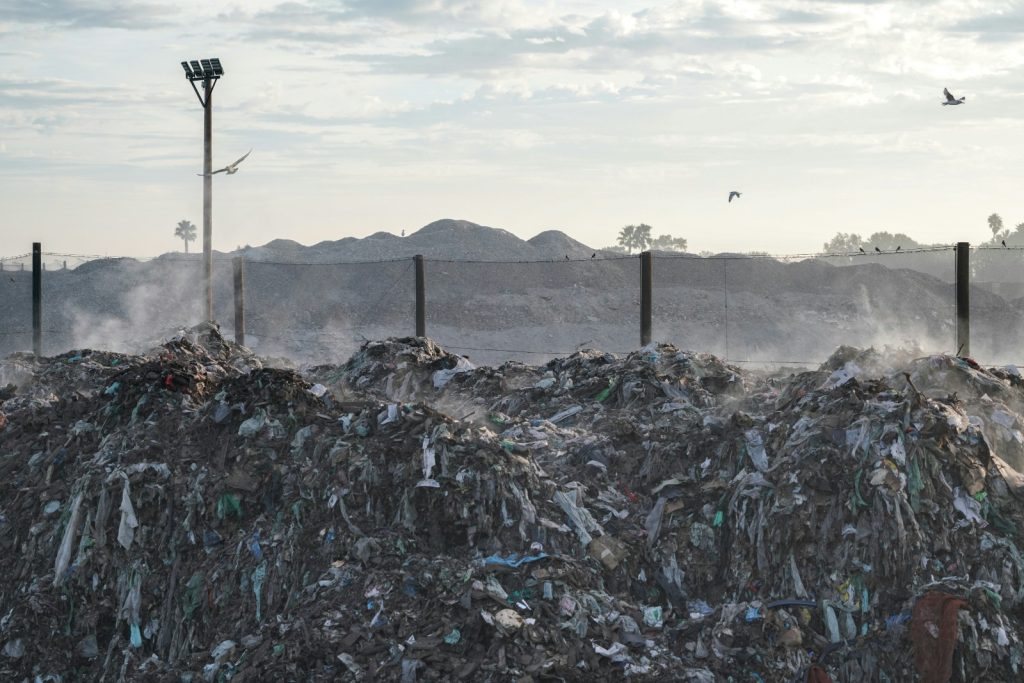
Not all methane originates from deep geological sources. Methane also forms naturally through a process called methanogenesis. This is a biological reaction in which microorganisms break down organic material in the absence of oxygen. Wetlands, waterlogged soils, buried waste, and decomposing organic matter are all capable of producing methane.
Ijebu-Ode, like many Nigerian towns that expanded rapidly over the past several decades, sits on land that may contain buried organic material, historical informal dumpsites, or poorly drained low-lying zones where wetland conditions once prevailed. If decomposing organic matter lies beneath parts of the town, it could be producing methane that seeps upward through soil. Particularly in areas where groundwater levels shift or where physical disturbance occurs above.
This explanation remains possible, especially if shallow subsurface methane is involved. However, the geological corridor pattern and the relatively high concentrations detected suggest that the emissions are not simply the result of shallow organic decomposition beneath one or two sites. A more systemic underground source appears likely. As always, experts caution that conclusions must await full forensic results.
Why Are Children Being Affected First?
There is a reason schools have borne the brunt of these incidents, and it is not merely a matter of geography. Children are physiologically more vulnerable to airborne pollutants and low-oxygen environments than healthy adults, a fact consistently recognised by the World Health Organization and major public health bodies.
Children breathe faster than adults, meaning they inhale more air relative to their body weight in any given period. Their lungs and respiratory systems are still developing. This makes them less equipped to cope with sudden drops in oxygen or exposure to irritant gases. Their immune responses to environmental stressors are similarly less robust. At a chemical level, gases that a healthy adult might tolerate briefly, a child at a school desk may experience as an acute health event.
Exposure to poor air quality in children can increase the long-term risk of respiratory conditions including asthma, bronchitis, and other chronic complications. In the short term, even brief exposures to the methane and hydrogen sulphide concentrations reported in Ijebu-Ode can cause the kinds of fainting and respiratory distress documented in dozens of students.
Beyond the immediate health implications, these incidents carry a profound environmental justice dimension. Schools in peri-urban Nigerian communities often lack sealed buildings, sophisticated ventilation systems, or emergency air quality sensors. Children in such environments have limited protection against invisible environmental hazards rising from the ground beneath them.
The Bigger Environmental Questions for Nigeria
The events in Ijebu-Ode expose a set of uncomfortable questions that reach well beyond Ogun State.
How many Nigerian communities currently have continuous air quality monitoring? The air quality device installed at Ijebu-Ode Grammar School as part of OGEPA’s surveillance programme detected the May 2026 readings. It provided some of the only measurable data available. Yet this appears to have been a relatively isolated installation. Across Nigeria’s hundreds of secondary towns, continuous air quality monitoring infrastructure is rare. Most communities would have no way of detecting a slowly rising methane concentration until people started fainting.
How prepared are schools for environmental emergencies? Events in Ijebu-Ode suggest that emergency protocols at school level remain underdeveloped. Parents received calls about hospitalised children rather than alerts from early-warning systems. Evacuation was reactive rather than planned. Teachers and administrators were not equipped to identify gas exposure as distinct from illness.
What lessons does this incident offer for regulators, local governments, and businesses? The Ogun State Government’s response, including deploying OGEPA monitoring equipment, engaging geological investigators, and shutting down a pipeline as a precaution, reflects a commendable attempt to respond seriously. However, there is a two-month gap between the first incident in April and the establishment of a clear investigative framework. This raises questions about the speed of institutional response to environmental emergencies in Nigeria.
For businesses operating near geological risk zones, particularly quarrying companies, cement producers, or real estate developers building on unmapped terrain, the Ijebu-Ode case offers a pointed reminder that environmental risk management must include subsurface assessment. This is not merely a legal compliance concern. It is a matter of community safety and corporate responsibility.
Could Similar Incidents Occur Elsewhere?
That question deserves a clear and sober answer: yes, they could.
Nigeria’s geological landscape is diverse and largely under-monitored. Sedimentary basins, ancient river systems, and areas with buried organic material are distributed across many states. In communities where no air quality sensors exist, a slow build-up of subsurface gases would go entirely undetected until concentrations reached a level that harmed people.
Furthermore, rapid urban growth often occurs without the geological baseline studies that would identify subsurface hazards. Infrastructure is built, schools are opened, and communities grow without anyone systematically mapping what lies beneath the surface. This is not unique to Nigeria, but it is particularly acute in contexts where environmental monitoring capacity has historically been limited.
Effective environmental surveillance requires investment in sensors, trained personnel, and data systems that communicate clearly with communities and decision-makers. Early-warning capacity is not a luxury. As the Ijebu-Ode case demonstrates, it is the difference between detecting a problem while it is manageable and discovering it only after people have been hospitalized three times.
This does not mean Nigerian communities should panic about invisible threats. The vast majority of towns and cities are not experiencing methane seepage events. However, it does mean that regulators, local governments, and communities have a compelling reason to advocate for expanded environmental monitoring, particularly in areas near active geology, landfills, wetlands, or industrial operations.
Questions That Cannot Wait
As June 2026 draws on, the residents of Ijebu-Ode are still waiting for answers. Parents send their children to school with a new and uncomfortable uncertainty. Teachers prepare lessons while wondering whether the air around them is safe. Investigators continue their geological assessments, sensor readings, and field surveys along a corridor of land that keeps releasing a gas no one has yet fully explained.
The methane mystery in Ijebu-Ode is, at its core, a story about what happens when communities grow faster than environmental knowledge. It is a story about the gap between the geology beneath a place and the awareness of the people living on top of it. And it is a story about the institutions that are supposed to protect communities from the invisible threats they cannot see, smell, or understand without help.
Science, in this case, is working. Investigators are asking the right questions. The Ogun State Government has taken the situation seriously, and the deployment of monitoring equipment, geological experts, and precautionary measures reflects institutional commitment. Transparency with affected communities, however, must keep pace with technical progress.
More broadly, this incident invites every Nigerian state, every environmental regulator, and every community leader to ask a simple but urgent question: if this were happening beneath our schools right now, would we know?
Understanding environmental risk, building monitoring systems before emergencies occur, and governing with transparency are not bureaucratic aspirations. In Ijebu-Ode, they are the difference between answers and panic. And for hundreds of students and teachers waiting to go safely back to school, that difference matters enormously.
[give_form id="20698"]