ROSEMARY IMOBHIO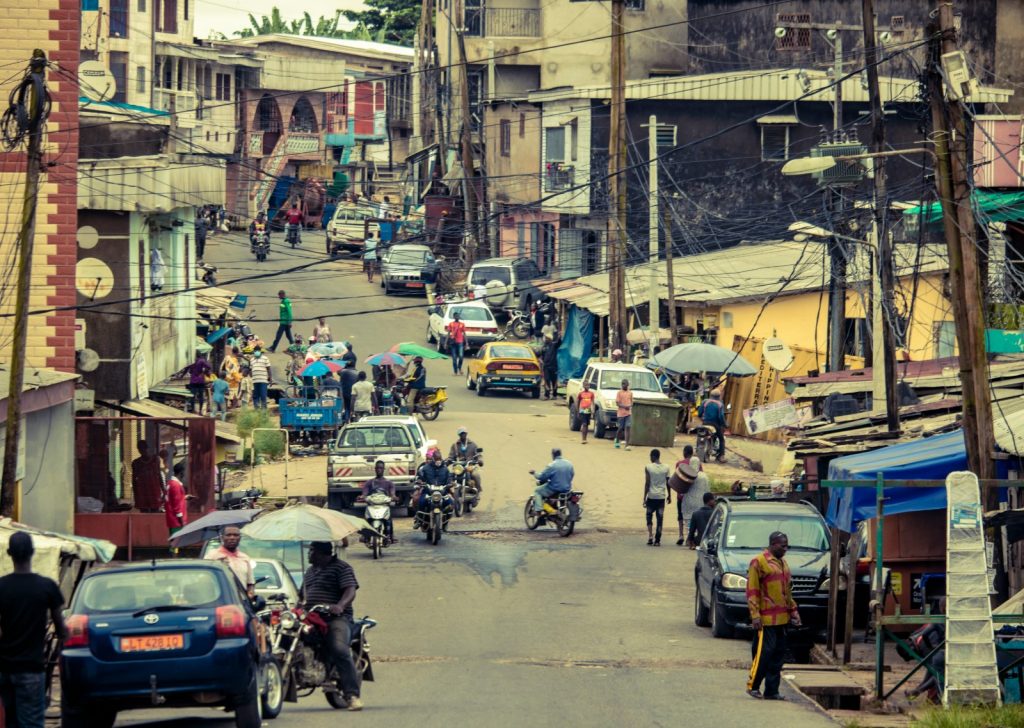
For many commuters in Cameroon, traffic has become a daily test of patience. Hours disappear in gridlock. Fuel bills keep rising. Air pollution continues to worsen. Yet as congestion tightens its grip on cities such as Yaoundé and Douala, policymakers are turning to a surprisingly simple solution: walking and cycling.
This week, Cameroon officially launched the national component of a United Nations-backed initiative that places active mobility at the heart of urban transport planning. The move signals a growing recognition that climate-friendly transportation is not only an environmental issue but also an economic and social necessity.
Government officials, development partners, transport experts, and urban planners gathered in Yaoundé on June 16 for a three-day workshop that marked the country’s entry into the UNDA 17 programme. The initiative is being implemented by the United Nations Environment Programme and supported by Germany’s development agency GIZ through the MoVe Yaoundé project. The goal is straightforward. Make walking and cycling safer, more accessible, and more attractive for millions of urban residents.
At first glance, the strategy may appear modest. However, behind it lies a broader effort to tackle climate change, improve public health, strengthen urban resilience, and advance environmental, social, and governance goals.
Why Cameroon Is Looking Beyond Cars
Across Africa, rapid urban growth is putting enormous pressure on transport infrastructure. Cameroon is no exception. Cities continue to expand while vehicle ownership rises steadily. Consequently, roads that were designed for smaller populations now struggle to cope with growing demand. Traffic congestion has become a defining feature of urban life, especially in Yaoundé and Douala.
The environmental costs are significant. Data presented during the workshop showed that urban transportation generates an average of 169 kilograms of carbon dioxide equivalent emissions per person annually in Douala and 241 kilograms in Yaoundé. Private cars and taxis account for a large share of these emissions. As a result, transportation has become an important contributor to urban greenhouse gas output.
The issue extends beyond climate concerns. Congestion also reduces productivity, increases fuel consumption, and worsens air quality. According to mobility experts involved in the MoVe Yaoundé programme, traffic bottlenecks contribute to higher energy use and pollution levels across the city. Therefore, officials increasingly see active mobility as a practical tool for addressing several challenges at once.
Walking Is Already Popular. The Infrastructure Is Not.
Ironically, walking is already one of the most common ways people move around many African cities. More than one billion Africans walk or cycle for close to an hour every day to reach schools, workplaces, markets, and healthcare facilities. Yet the infrastructure supporting those journeys remains severely underdeveloped.
According to UNEP data, nearly three-quarters of roads assessed across Africa lack sidewalks. Even more concerning, over 90 percent have no pedestrian crossings.
For many Cameroonians, this means sharing crowded roads with cars, buses, motorcycles, and taxis. Consequently, everyday travel often becomes both stressful and dangerous.
Road safety statistics reinforce the urgency. Sub-Saharan Africa records the highest road fatality rate in the world. Pedestrians and cyclists represent a substantial proportion of those deaths. The challenge, therefore, is not convincing people to walk. Many already do. The challenge is creating urban environments where walking can happen safely.
A Climate Solution Hidden in Plain Sight
Climate discussions often focus on renewable energy, electric vehicles, or industrial emissions. However, active mobility is increasingly gaining attention as one of the most affordable climate solutions available to developing countries.
Every trip completed on foot or by bicycle instead of a motor vehicle reduces fuel consumption and emissions. While a single journey may seem insignificant, the collective impact can be substantial across millions of daily commuters.
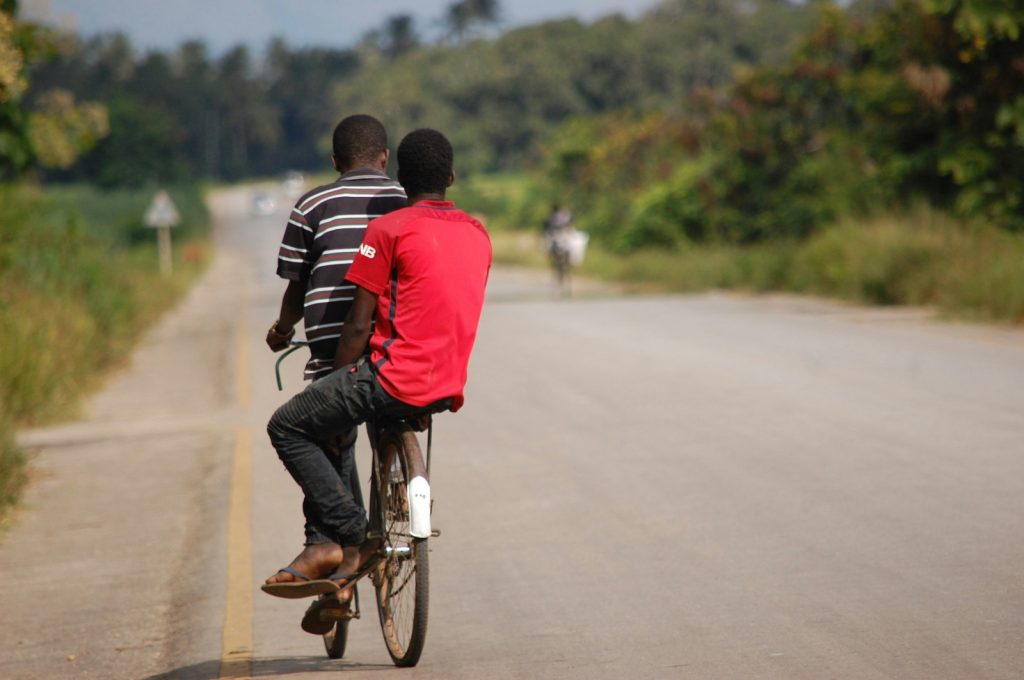
That thinking aligns closely with the Pan-African Action Plan for Active Mobility, known as PAAPAM. The framework was endorsed by African transport and energy ministers earlier this year and aims to reduce road deaths, improve air quality, and lower greenhouse gas emissions through greater investment in walking and cycling infrastructure.
Importantly, the framework recognizes that climate action must also deliver social benefits. Cleaner transport systems can improve access to jobs, education, and healthcare while reducing household transportation costs. For cities facing financial constraints, these benefits make active mobility particularly attractive.
The ESG Connection
The launch of the programme also carries important implications for ESG performance.
From an environmental perspective, reducing reliance on motorized transport can help lower urban emissions and improve air quality. This supports broader climate mitigation goals and aligns with national sustainability commitments.
The social dimension is equally important. Safe sidewalks, pedestrian crossings, and cycling lanes create more inclusive cities. They benefit low-income communities that often rely on walking as their primary mode of transportation. They also improve accessibility for women, children, older adults, and people with disabilities.
Governance enters the picture through better urban planning and policy coordination. The UNDA 17 programme will provide technical assistance, institutional strengthening, training, and policy support to help Cameroon integrate active mobility into long-term planning frameworks.
For investors and development finance institutions, these factors increasingly matter. Sustainable transport projects often feature prominently in ESG assessments because they deliver measurable environmental and social outcomes.
Building a Different Urban Future
Cameroon is not starting from scratch. The MoVe Yaoundé project already includes plans for intersection upgrades, improved pedestrian infrastructure, traffic calming measures, and the development of a bus rapid transit system. The broader vision seeks to create a transport network that is safer, more efficient, and more accessible.
Additionally, the country recently launched a Circular Economy Roadmap, another initiative designed to support sustainable development and climate action. Together, these efforts suggest a growing policy focus on long-term resilience and low-carbon growth.
Of course, implementation will determine success. Sidewalks, cycle lanes, and safer crossings require funding, political commitment, and ongoing maintenance. Public awareness campaigns will also play a role in encouraging behavioural change. Nevertheless, the direction of travel is becoming clear.
More Than a Walk in the Park
The image of solving traffic problems through walking may invite skepticism. Yet some of the most effective urban transformations begin with simple ideas.
Cameroon’s decision to place pedestrians and cyclists closer to the center of transport planning reflects a broader shift taking place across Africa. Cities are increasingly recognizing that sustainable mobility is not merely about moving vehicles faster. Instead, it is about moving people safely, affordably, and sustainably.
As climate pressures intensify and urban populations continue to grow, that distinction could prove crucial. For Cameroon, the journey toward cleaner and more inclusive cities may not start with another highway. It may start with a sidewalk and perhaps with a good pair of walking shoes.
Follow CSR Reporters for more insights on how climate action, ESG policy, and sustainable development are reshaping communities, businesses, and economies across Africa and beyond.
[give_form id="20698"]